Marine Life at Riung 17 Islands: What You Actually See
Riung Flores Editorial Desk 14 min read
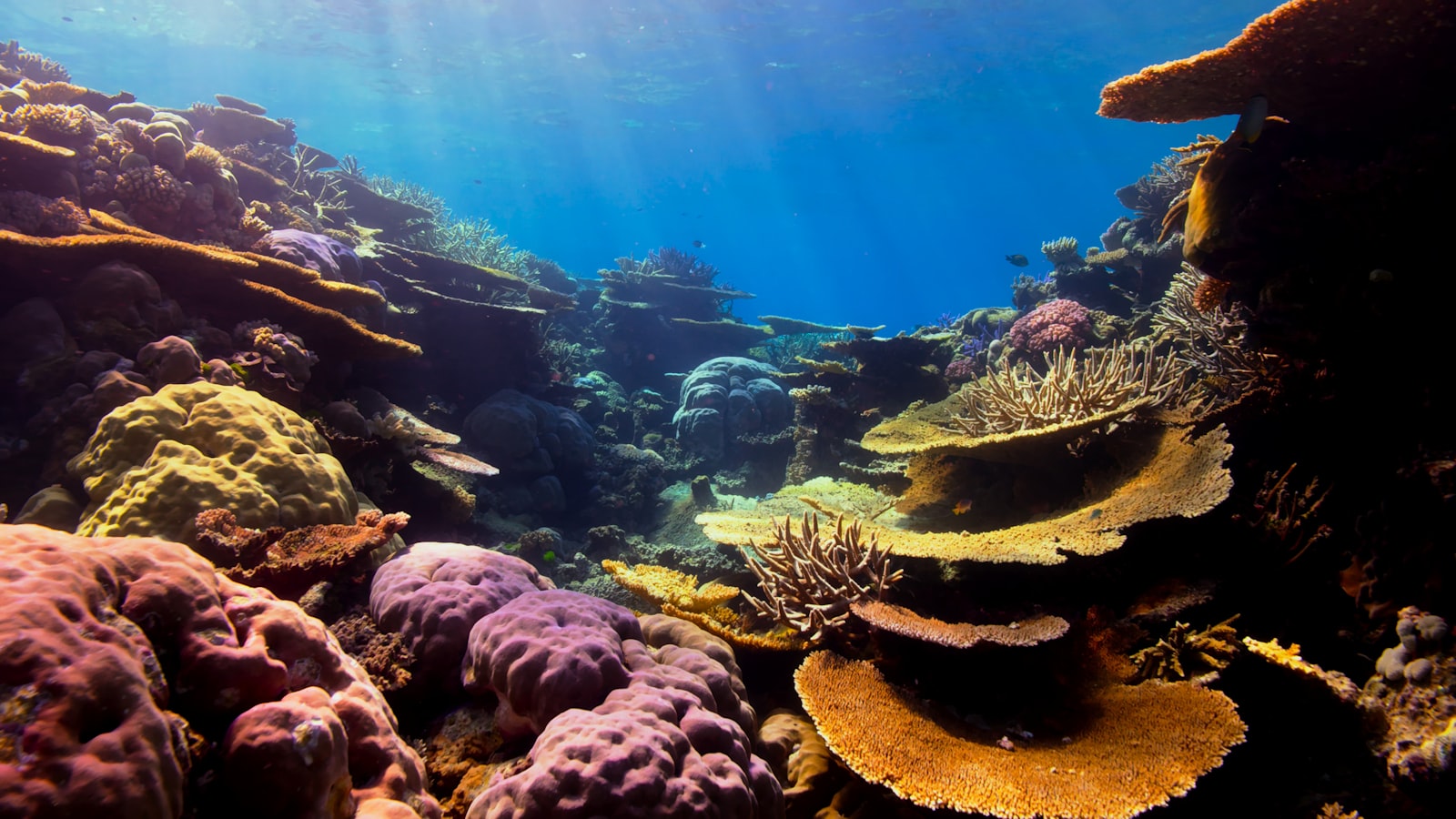
Riung’s 17 Islands Marine Park protects 183 documented coral species and 306 reef fish species, alongside dugong, dolphins, sea turtles and giant clams, across a habitat mix of coral reef, seagrass meadow and mangrove rather than reef alone.
Forward-looking editorial view, not announced policy. Canonical figures: facts.md.
What You’re Actually Swimming Over
Snorkelling around Riung’s 17 Islands puts you over a reef system that management-literature surveys document at 183 coral species and 306 reef fish species — a genuinely diverse baseline for a destination that receives far less research attention and tourist traffic than Komodo National Park further west. The reef itself sits within a wider habitat mosaic that also includes seagrass meadows and mangrove stands, which matters for what you’ll see: seagrass beds are the primary feeding ground for sea turtles and dugong, and mangrove root systems function as a nursery for juvenile reef fish before they move onto the open reef.
Coral: What Kind, and Where
Coral cover around the 17 Islands includes both hard (stony) coral gardens in the shallower fringing reef areas — generally the most accessible for snorkellers, typically in the 5-20 metre depth range depending on the specific island — and softer coral formations in some of the deeper channel areas between islands. Coral condition varies by site and by how sheltered or exposed a given reef is to boat traffic and seasonal swell; this site has not located a recent, dated, site-specific bleaching or coral-health survey for TWAL 17 Pulau distinct from general regional climate-pressure findings across Indonesian reefs, so travellers looking for a current health assessment should treat general “Indonesian reef under climate pressure” findings as context rather than a Riung-specific figure.
Reef Fish and What You’ll Realistically See
With 306 documented reef fish species in the park’s waters, a typical snorkelling stop reliably turns up reef staples — parrotfish, angelfish, and butterflyfish among the more visually striking and commonly sighted groups on shallower coral gardens — alongside smaller reef-associated species that make up the bulk of the diversity figure without necessarily being the ones a casual snorkeller notices first. Sightings vary by island and by time of day; a captain who knows the specific reef sections well will generally position a snorkelling stop where recent sightings have been good, which is one practical reason to ask your boat operator directly which islands they’d recommend that week rather than assuming every stop on the standard route is equally productive.
Turtles, Dugong and Larger Marine Life
Sea turtles are among the more commonly reported sightings around the park’s seagrass-adjacent reef areas, since these beds are a primary feeding ground; dugong and dolphin sightings occur but are far less predictable and should not be treated as a guaranteed part of any specific day trip. Giant clams are also documented within the park’s reef habitat — a slower-moving, easy-to-spot species for snorkellers who know to look for them nestled into reef structure rather than swimming in open water. None of these species should be touched, chased, or handled if encountered; observe from a comfortable distance and let the animal’s behaviour dictate how close you get, not the other way around.
Why the Mangroves Matter to What You See on the Reef
It’s easy to think of Riung’s mangroves purely as the backdrop to the sunset flying-fox viewing at Ontoloe, but they play a direct ecological role in the reef life you snorkel over during the day: juvenile reef fish shelter among mangrove roots before moving to open reef as they mature, meaning the health of the mangrove stands and the health of the visible reef fish population are connected rather than separate conservation stories. See the sunset and flying-fox tour guide for the wildlife sighting most visitors associate with these same mangrove habitats.
Best Conditions for Underwater Visibility
Visibility and sea conditions are generally best during Flores’ dry season, when calmer water and less runoff produce clearer conditions for snorkelling than during the wetter months. Exact visibility varies day to day with recent weather and tide rather than following a strict calendar, so treat seasonal guidance as a probability shift rather than a guarantee for any specific date.
What to Bring for a Good Underwater Experience
Your own snorkel mask if you have one (rental quality on local boats varies), reef-safe sunscreen to avoid contributing to chemical reef stress, and a waterproof camera or phone case if you want to photograph what you see — a basic zoom or macro capability helps for reef-fish and coral detail more than it does for the occasional turtle or dugong sighting, which tend to happen at a greater distance.
Snorkelling Depth and Skill Level
Most of Riung’s accessible snorkelling sites sit in shallow-to-moderate depths — roughly 5 to 20 metres depending on the specific reef, with much of the coral garden viewing happening well within comfortable surface-snorkelling range rather than requiring free-diving skill to appreciate. This makes it a reasonably beginner-friendly snorkelling destination, though as with any open-water activity, basic swimming competence and comfort in open water (rather than a pool) matters, and weaker swimmers should say so to their captain so a more sheltered, shallower stop can be prioritised.
How Riung’s Reef Compares to Nearby Komodo Waters
Both Riung and Komodo National Park sit within the broader Coral Triangle region and share some overlapping species, but they are distinct reef systems with their own local conditions — current strength, typical visibility, and specific site character differ between the two. Komodo’s reefs, particularly around well-known dive sites, generally see stronger currents and are more associated with drift-diving conditions; Riung’s reef environment is comparatively calmer and more consistently accessible to snorkellers rather than requiring dive-level current management. Neither is a lesser experience — they’re simply different reef environments worth understanding separately rather than assuming one substitutes for the other.
Photography Tips for Underwater Shots
A basic waterproof phone case or action camera handles most snorkelling-depth reef photography reasonably well in Riung’s typically clear, shallow conditions. For coral and smaller reef-fish detail, get as close as buoyancy and no-touch etiquette allow rather than relying on digital zoom, which loses clarity underwater more than it does on land. For any larger sighting — a turtle, dugong, or the occasional passing dolphin — a wider field of view generally captures the moment better than trying to zoom in tight, since these encounters tend to happen at a greater, less predictable distance.
How This Site’s Description Differs From Older Marketing Copy
Earlier versions of content describing Riung’s underwater environment leaned heavily on generic marketing language rather than specific, checkable detail. This page deliberately favours documented species counts, habitat descriptions, and honest caveats about what hasn’t been verified over the kind of “vibrant paradise” language that reads well but tells a prospective visitor nothing they can actually use to plan or verify a trip. If a specific claim about Riung’s underwater life reads more like a checkable fact than a marketing adjective, that’s the intended standard for this page.
Snorkel vs Scuba: Which Suits Riung Better?
Riung’s marine tourism infrastructure is built around snorkelling rather than scuba diving — this site has not identified an established, currently operating dive-certification centre in Riung town comparable to Labuan Bajo’s dive shop scene, so travellers specifically wanting certified scuba diving should treat Komodo National Park or a dedicated dive destination as the more reliable choice for that activity, and think of Riung primarily as a strong snorkelling stop rather than a diving base.
Frequently Asked Questions
How many coral and fish species live around Riung’s 17 Islands?
Management-literature figures document 183 coral species and 306 reef fish species within the park’s waters.
Will I definitely see a sea turtle or dugong?
Sea turtles are relatively commonly reported near seagrass-adjacent reef areas; dugong and dolphin sightings are far less predictable and should not be treated as guaranteed on any specific trip.
Is the coral around Riung healthy?
This site has not located a recent, site-specific bleaching or health survey for this exact park distinct from general Indonesian reef climate findings, so no specific current health figure can be honestly cited here.
What’s the best time of year for underwater visibility?
Generally the dry season, when calmer seas and less runoff typically produce clearer water, though exact visibility varies day to day.
Can I touch coral or wildlife I see while snorkelling?
No. Avoid touching coral, which is easily damaged, and never chase, touch, or attempt to handle turtles, dugong, or any other marine life you encounter.
Terakhir diperbarui: 25 Agustus 2026.
Continue Exploring
See the Riung 17 Islands conservation guide for the park’s full biodiversity picture and protection rules, and the open trip guide to plan your own snorkelling day.
Seeing Riung’s unique marine life first-hand requires safe and reliable sea transport to the best sites within the 17 Islands Marine Park. For visitors basing their Flores trip in Labuan Bajo, the logistical solution is often a chartered vessel. Operators like Komodo Luxury can arrange a dedicated boat trip on a vessel such as the Komodo Signature, or integrate Riung into a wider sailing itinerary.
Practical Details on Riung Marine Life and Snorkel Conditions
Most travellers arrive curious about what they will actually see underwater, and how that experience feels in real conditions rather than brochure language. This section adds detail on Riung marine life, typical sea conditions, and how human impact and season affect what you actually see in the water on any given day.
The habitat mix here means you are not just over coral. Seagrass, sand and mangrove all sit within short boat hops, so you shift from reef fish to grazers and then to nursery areas within a single outing. That variety is the backbone of the broader wildlife and marine park Flores story, and it is why two trips a few days apart can feel quite different.
If you want an overview of conservation pressures and how they shape the coral and fish species here over the long term, read the separate guide on preserving the marine biodiversity of Riung before you lock in dates. It will help you interpret what you see in the water against the bigger regional changes happening across NTT.
Is Riung 17 Islands Marine Park good for beginner snorkelers?
If you are asking whether Riung 17 Islands Marine Park is good for beginner snorkellers, the short answer is usually yes, provided sea conditions are moderate and you choose sheltered sites. Many fringing reefs start close to shore with calm, shallow water. Check your operator supplies life jackets and simple entry points, and consider reading the local notes on Riung boat safety and capacity before you go.
Can you snorkel in Riung 17 Islands if you are not a strong swimmer?
Yes, can you snorkel in Riung 17 islands as a less confident swimmer, but you will need basic water comfort. Boats can anchor over shallow reef where you can float in a life jacket and stay close to the ladder. Avoid days with obvious whitecaps or strong wind, and ask the captain to choose an inner-bay site rather than a channel with current.
What fish can you see snorkeling in Riung on a typical day?
Travellers often ask what fish can you see snorkeling in Riung beyond the obvious clownfish. Common sightings include parrotfish, surgeonfish, damsels, wrasse, angelfish and butterflyfish, with occasional larger sweetlips and groupers along reef edges. Early and late in the day you are more likely to see feeding schools, while midday light makes it easier to notice smaller species hiding in branching coral.
What animals live in 17 Islands Marine Park besides reef fish?
Think broader than the reef. Seagrass meadows support grazing turtles and, more rarely, dugong. Open water between islands sometimes holds pelagic species like trevallies hunting over drop-offs. Above the surface, Ontoloe’s bat colonies and coastal birds round out the experience, especially if you combine a snorkel with a dusk flying-fox viewing stop.
Can you see dolphins around Riung 17 Islands Marine Park on snorkel trips?
Dolphins do turn up occasionally, usually during the longer crossings between islets rather than while actually snorkelling. Sightings are opportunistic, not a guaranteed element of the day. If you do see a pod, captains may slow briefly for surface viewing, but responsible operators should not chase or cut across the animals’ path.
Are there jellyfish or dangerous marine life in Riung?
Families with children in particular ask about jellyfish and dangerous marine life. Stinging plankton and small jellyfish appear sporadically, more often in transitional months, but serious stings are not commonly reported. The broader question of dangerous marine animals has the same answer: they occur, but they are not a daily defining feature of snorkel trips.
How do sea conditions change, and what is the typical wave height by season?
On sea conditions and wave height by season, expect calmer water June to September, with many days of low swell and gentle wind inside the island group. Transitional months and parts of the wet season bring choppier crossings and more surface chop over exposed reefs. Always ask your boat operator about that day’s local forecast before committing to a route with longer open-water legs.
How does the mangrove ecosystem affect what you see while snorkelling?
The mangroves ringing the islands work as nurseries and as filters. Mangrove roots shelter juvenile fish and crustaceans that later populate nearby reefs, while the trees stabilize sediment so water stays clearer after rain. Healthy mangroves mean more small fish on the coral and better odds of spotting species that move between seagrass, reef and shoreline habitats across a single day.
What is the best time of day for photography in Riung 17 Islands Marine Park?
The best light for photography is usually mid-morning, when the sun is high enough to penetrate the water but not yet creating harsh surface glare. Early afternoons can also work on very clear days. For more detailed underwater settings and composition tips, see the dedicated guide to shooting underwater at Riung.
Where should I stay as the best base for 17 Islands Marine Park?
In practice the base is Riung town itself. Guesthouses here sit within a short walk or motorbike ride of the small harbour where boats depart. Staying in Bajawa or Mbay means an early, winding road journey before you even step onto the boat, which eats into snorkel and island time.
Once you have a realistic picture of what you actually see in the water around Riung and have planned tide, light and sites accordingly, the next step is deciding when to add a crewed boat or a Komodo leg. If you want to fold Riung into a broader sailing circuit, look at flexible sailing tour packages, or add a focussed one-day trip package or a longer 3D2N Komodo tour once you are confident about dates and sea conditions.
Keep reading
Travel Journal 11 min
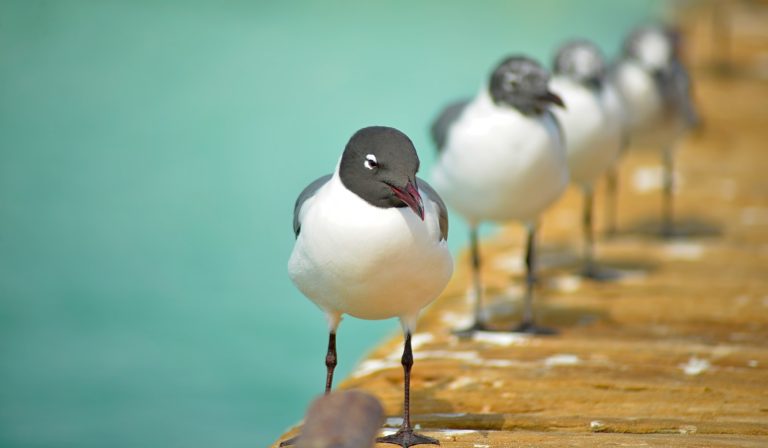
Birdwatching Around Riung and Its Mangroves
Riung Flores › 17 Islands Marine Park: What to Know › Birdwatching Around Riung Flores is one of Wallacea's most…
Travel Journal 9 min
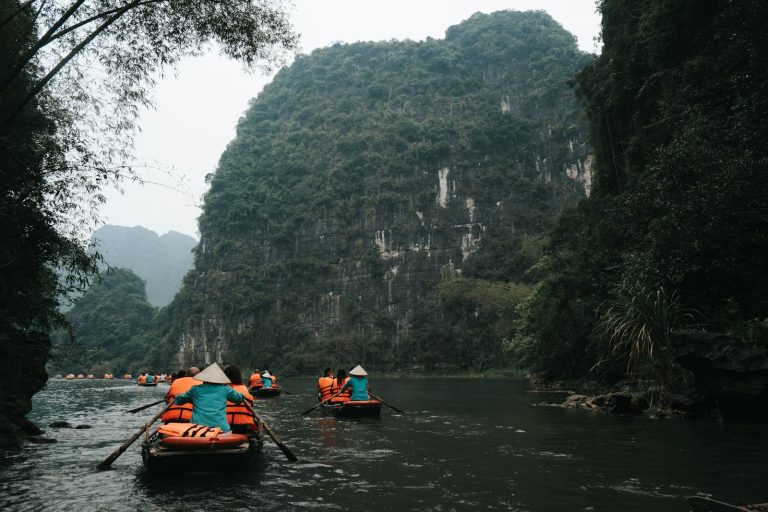
Travel Trends 2027 Affecting Riung Flores
As we approach 2027, travel trends in Riung Flores are shifting towards sustainable tourism, digital engagement, and personalized travel experiences,…
Travel Journal 13 min
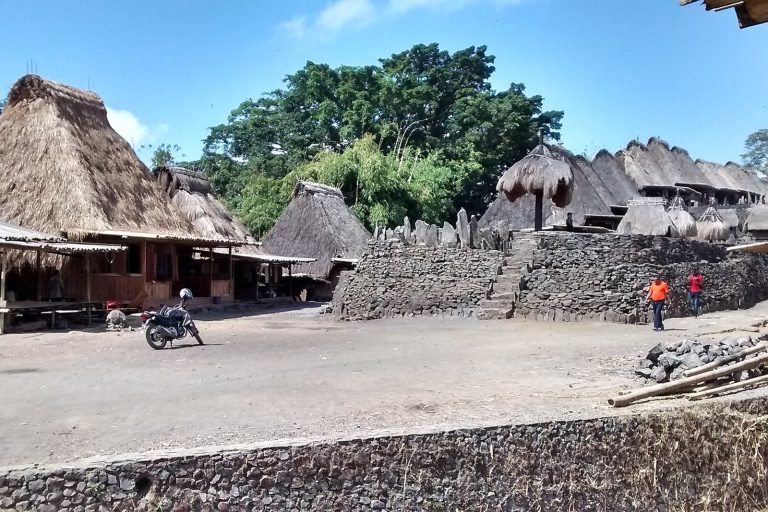
Riung’s Culture: Ethnic Groups, Language and Daily Life
Riung has its own distinct language and ethnolinguistic identity, separate from the better-known Ngada highland culture centred on Bajawa, with…