Preserving the Marine Biodiversity of Riung 17 Islands
Riung Flores Editorial Desk 10 min read
Efforts to preserve marine biodiversity at Riung 17 Islands focus on conservation projects, sustainable tourism, and community engagement.
Forward-looking editorial view, not announced policy. Canonical figures: facts.md.
Understanding Marine Biodiversity at Riung 17 Islands
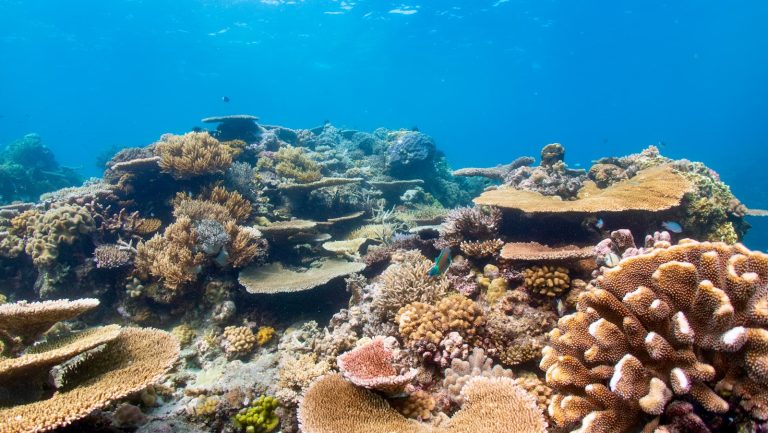
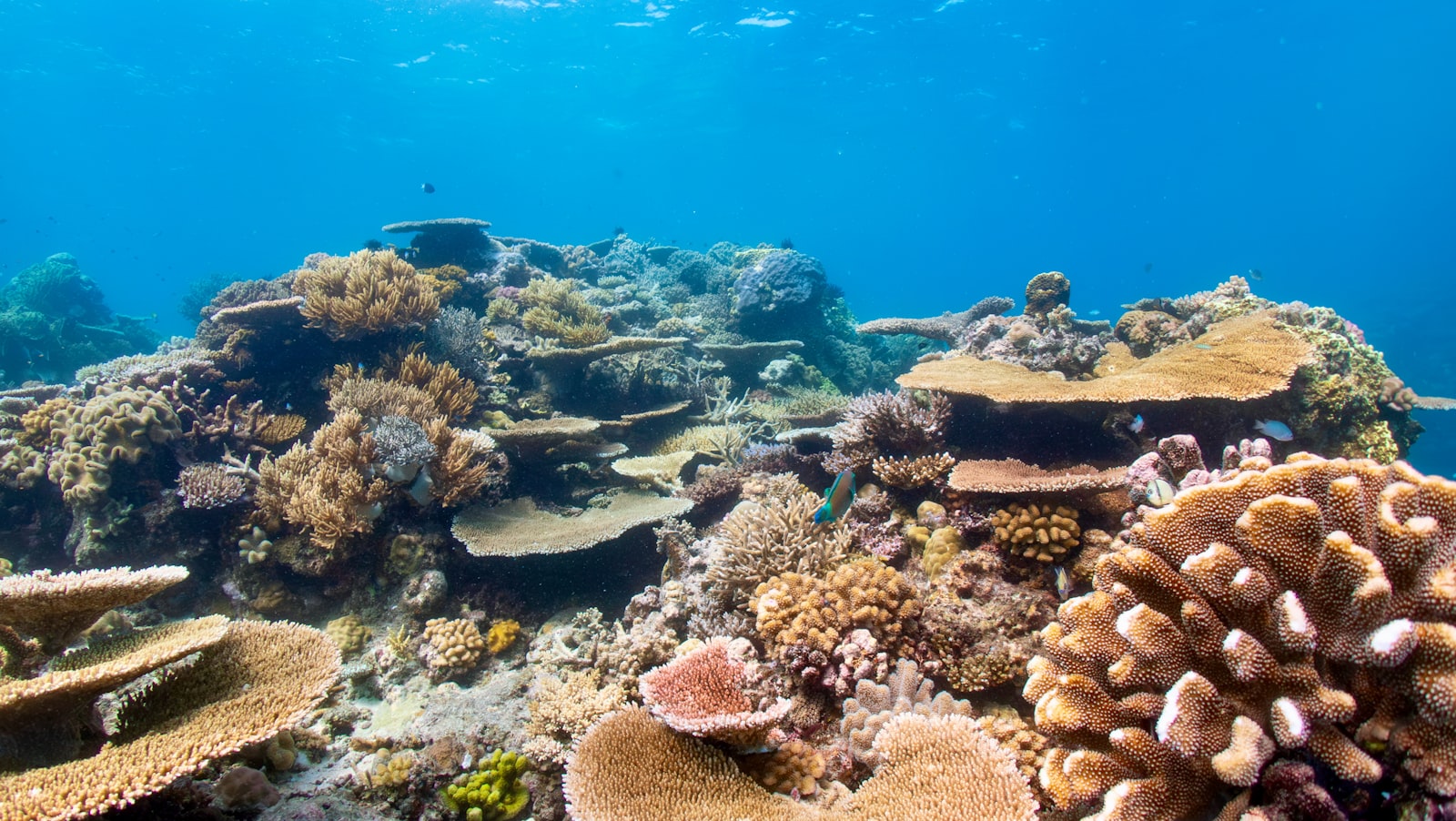
The Riung 17 Islands, located off the northern coast of Flores in Indonesia, encompass a marine area that is particularly rich in biodiversity. The ecosystem here supports numerous species, including over 300 types of coral and countless fish species. This biodiversity is vital for maintaining ecological balance and supporting the local economy, which relies heavily on tourism and fishing. The preservation of this marine biodiversity is crucial and has become a central focus for various conservation efforts aimed at sustaining both ecological and economic stability.
Conservation Projects at Riung 17 Islands
Conservation projects at Riung 17 Islands are essential in maintaining the ecological health of the region. These initiatives are meticulously designed to protect marine wildlife, restore habitats, and promote sustainable practices among local communities and visitors. Key projects include:
- Coral reef restoration: Projects involve planting coral fragments to repair damaged reefs. These efforts are often carried out by trained divers who plant thousands of coral pieces annually, aiming to enhance the marine habitat’s complexity and resilience.
- Marine protected areas: Several zones have been designated to restrict harmful activities such as overfishing and destructive anchoring. These protected areas cover approximately 40% of the marine region, allowing ecosystems to recover and thrive without human interference.
- Community education programs: Educational initiatives target local residents, focusing on sustainable fishing practices and the importance of biodiversity. Workshops and seminars are regularly held in local villages to ensure widespread understanding and participation.
Marine Wildlife in Riung 17 Islands
The marine wildlife of Riung 17 Islands is incredibly diverse. The waters teem with creatures such as sea turtles, reef sharks, and dolphins, alongside vibrant coral reefs that provide a habitat for numerous fish species. This diversity not only underpins ecological functions but also enhances the aesthetic and economic value of the region. Conservation efforts include regular monitoring of species populations to ensure their health and stability. Measures to reduce human impact, such as regulating boat traffic and implementing strict waste disposal protocols, are integral to protecting these species.
Sustainable Tourism Practices
Sustainable tourism is crucial for the future of Riung 17 Islands. Tourists are encouraged to engage in activities that minimize their environmental footprint. These practices include:
- Eco-tourism packages: Tours are designed to educate visitors on marine conservation while ensuring minimal environmental impact. This includes guided snorkelling tours that focus on observing marine life without disturbing it.
- Waste management systems: Initiatives aim to reduce plastic use and promote recycling among tourists and businesses. Collection points for waste are strategically placed around popular tourist spots, and businesses are encouraged to use biodegradable products.
- Guidelines for respectful wildlife interaction: Visitors receive briefings on how to interact with marine life responsibly. For example, snorkelling groups are advised to maintain a safe distance from wildlife and avoid touching corals.
By adhering to these practices, the tourism sector can positively contribute to preserving the islands’ natural resources. To learn more about how to engage in sustainable tourism in the area, check out our interactive guide to Riung Flores.
Local Community Involvement
Local communities are integral to the conservation efforts at Riung 17 Islands. By involving residents in conservation projects, initiatives gain local support and ensure long-term success. Programs focus on:
- Economic incentives: Providing alternative income sources, such as eco-tourism jobs, to reduce reliance on fishing. Many locals are trained as tour guides or work in eco-lodges, providing them with sustainable livelihoods.
- Collaborative management: Empowering communities to take part in decision-making processes regarding conservation strategies. Local councils and conservation groups meet regularly to discuss and implement policies.
- Skills development: Training locals in sustainable practices and conservation techniques. This includes workshops on sustainable fishing methods and coral gardening.
Engaging communities not only enhances conservation outcomes but also fosters a sense of stewardship and pride among residents.
FAQ
What efforts are being made to preserve marine biodiversity at Riung 17 Islands?
Efforts focus on conservation projects, sustainable tourism, and community engagement to protect marine biodiversity.
How can tourists contribute to conservation at Riung 17 Islands?
Tourists can contribute by engaging in eco-friendly tourism practices, following local guidelines, and supporting conservation initiatives.
What role do local communities play in preserving marine biodiversity?
Local communities are involved in conservation efforts through collaborative management, education programs, and sustainable livelihood initiatives.
For those planning a visit, consider exploring our detailed booking process to ensure an eco-friendly travel experience.
2027 note: As of 2027, efforts to preserve the marine biodiversity of Riung 17 Islands have shown promising results, with increased coral cover and stable marine wildlife populations observed in recent studies. Continued collaboration between conservationists, locals, and tourists remains crucial for sustaining these positive trends.
To support the preservation of Riung’s marine biodiversity, it is crucial to choose operators who follow established best practices. For travellers extending their journey to other parts of Flores, Komodo Luxury runs licensed crews on their Komodo boat tours and responsible private charters. Their standard one-day trip itinerary also provides a useful model for what a well-managed excursion entails, prioritising environmental awareness.
Practical Low-Impact Travel and Marine Ethics in Riung
As awareness of Riung marine biodiversity grows, visitors are asking more detailed questions about daily choices on the water: where to swim, what to wear, how to handle rubbish, and how to support conservation without overwhelming a small town. This section focuses on the practical side of visiting a Flores marine reserve responsibly.
Local guides and NGOs now link tourism behaviour directly to Riung biodiversity outcomes, from coral breakage to plastic ingestion by turtles. Before you arrive, it is worth reading about community conservation in Riung so you understand who is doing the work you benefit from on a short boat trip.
Most visitors still come on simple wooden dayboats, often arranged in cash through guesthouses in Riung town. If you plan to combine snorkelling with photography, review the park’s drone rules separately at Drone rules at Riung to avoid disturbing seabirds and the Ontoloe bat colony. The aim is to align marine ecotourism Flores-wide with basic, repeatable habits that leave little trace.
How do I visit in a way that minimises my environmental impact?
Choose a locally owned boat, keep group sizes small, and ask the skipper to use fixed moorings instead of anchoring on coral. Bring a refillable bottle and carry all rubbish back to town. Decline single-use plastics where possible. Snorkel with good buoyancy control, never touch coral or turtles, and keep sunscreen reef-safe. Paying agreed environmental fees and community contributions in Riung 17 islands helps fund conservation rather than ad-hoc tips.
What are the ethical guidelines for watching wildlife here?
Stay quiet and keep distance from sea turtles, dolphins and the flying fox colony off Ontoloe. Do not circle animals with boats or ask the captain to chase them. In the water, give turtles and reef sharks a wide berth and never attempt to touch or feed them. For bats, enjoy the dusk fly-out from the boat without clapping, shining bright lights, or flying drones through their flight path.
Is plastic waste a problem on the islands in Riung, and are there clean-up efforts?
Yes, like much of indonesian marine biodiversity habitat, Riung receives plastic from both visitors and distant river systems. Some beaches look clean, others collect floating debris after storms. Local youth groups, guides and NGOs organise periodic clean-ups, but capacity is limited. Visitors can help by joining informal clean-ups, reducing what they bring, and avoiding leaving any trace on small sandy coves that lack regular maintenance.
Can I rent beach umbrellas or sunbeds on any of the islands?
No, there are no permanent facilities such as umbrellas, sunbeds, kiosks or bars on the islands. This low infrastructure is deliberate, keeping the beaches good for swimming and relaxing without turning the coves into commercial strips. Bring your own sarong, hat and sun protection, and expect simple shade under trees at some stops rather than managed beach clubs or loungers.
What shoes and clothing make sense for walking the beaches?
Pack thin-soled reef shoes or secure sandals for stepping in and out of boats over coral rubble and shells. Light long-sleeved shirts and leggings protect from sun and jellyfish stings while snorkelling. Avoid heavy boots that damage fragile intertidal areas. Quick-drying fabrics are useful, as you will move between boat, beach and water repeatedly, particularly on a family day out.
How should I handle coral cuts and minor injuries?
Even careful swimmers can get scraped on coral or rocks. Rinse cuts immediately with clean water, then disinfect with antiseptic; coral wounds infect easily in the tropics. Cover with sterile dressings and keep an eye on redness or swelling. Serious injuries should be checked at the clinic in Riung town. Packing a small first-aid kit is sensible, as boat crews carry only basics and distances to larger facilities are long.
Are there family-friendly activities here that stay low-impact?
Yes. Shallow snorkelling over sand patches, beachcombing for non-living shells, and watching the flying foxes from a distance at sunset are gentle options. Skippers often know calm bays suitable for children learning to swim. Use these chances to explain Riung marine biodiversity to younger travellers, including why they should not stand on coral or chase fish. Quiet observation is more helpful to conservation than energetic but intrusive games.
Where can I learn more about conservation efforts and community projects in Riung 17 islands?
Several local groups, schools and dive-conservation partnerships share updates about coral planting, waste management and monitoring of Riung biodiversity. Before arriving, you can get an overview of marine life at Riung and threats, then ask your guesthouse which initiatives accept volunteers or donations. Supporting organised projects is more effective than ad-hoc giving, and helps integrate tourism into long-term plans for this part of indonesian marine biodiversity.
For visitors interested in Riung marine biodiversity, Riung itself works well as a low-key base with simple dayboats; once you start considering longer routes across the wider archipelago, a crewed vessel becomes practical. Komodo Luxury can bolt a Riung-informed Komodo leg onto your Flores plans, from a focused one-day sailing to a three-day Komodo sailing trip or longer liveaboard with cabins.
Keep reading
Travel Journal 11 min
Birdwatching Around Riung and Its Mangroves
Riung Flores › 17 Islands Marine Park: What to Know › Birdwatching Around Riung Flores is one of Wallacea's most…
Travel Journal 14 min
Marine Life at Riung 17 Islands: What You Actually See
Riung's 17 Islands Marine Park protects 183 documented coral species and 306 reef fish species, alongside dugong, dolphins, sea turtles…
Travel Journal 9 min
Travel Trends 2027 Affecting Riung Flores
As we approach 2027, travel trends in Riung Flores are shifting towards sustainable tourism, digital engagement, and personalized travel experiences,…