The Rise of Eco-Tourism in Riung Flores: A 2027 Perspective
Riung Flores Editorial Desk 10 min read
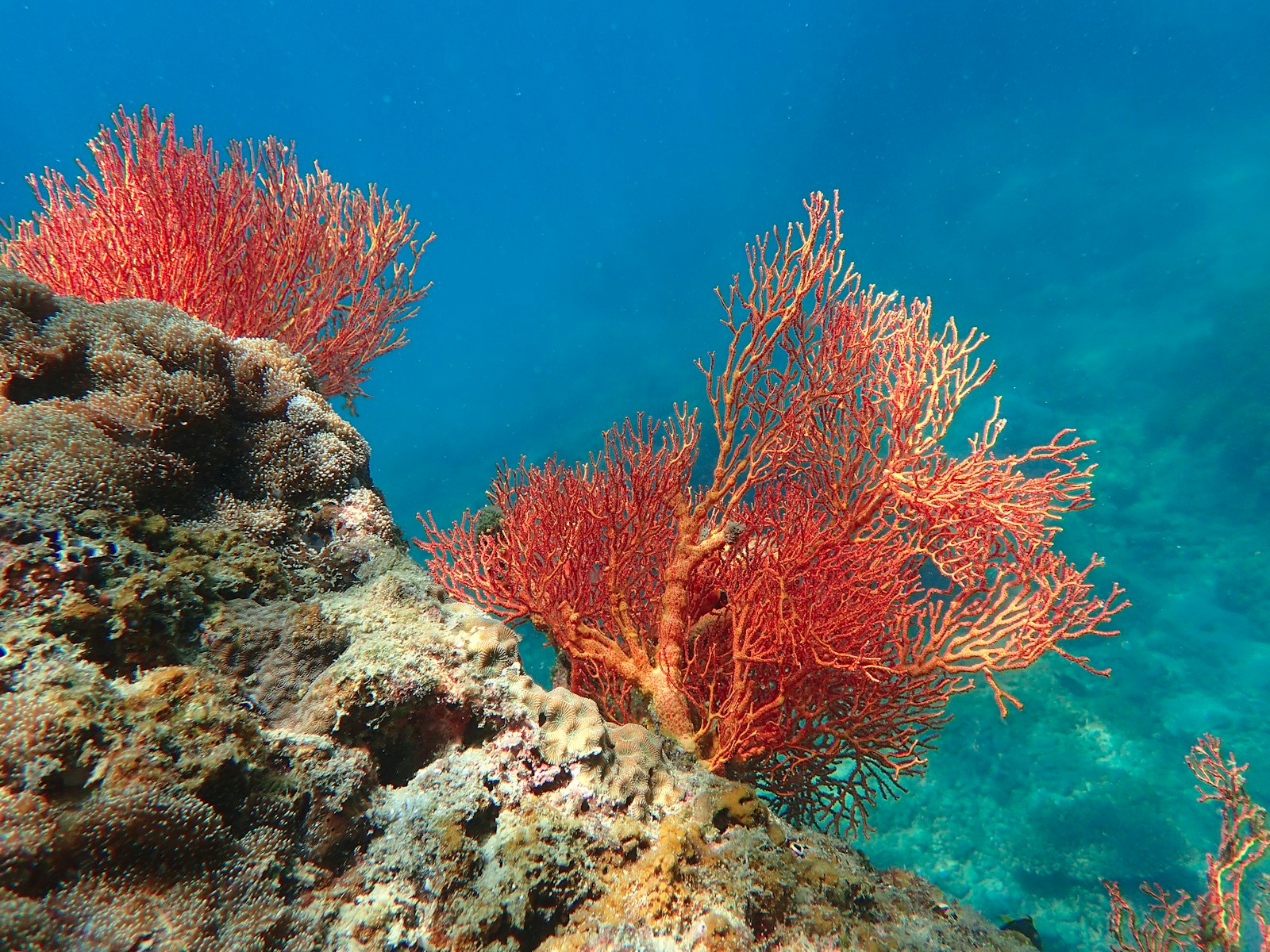
Eco-tourism in Riung Flores has gained significant momentum as more travellers seek sustainable and eco-friendly experiences. This trend benefits both the environment and the local community.
Forward-looking editorial view, not announced policy. Canonical figures: facts.md.
Eco-Tourism Riung Flores: A Growing Movement
In recent years, eco-tourism in Riung Flores has evolved into a prominent travel trend, attracting environmentally conscious visitors from around the globe. This small coastal town, known for its stunning landscapes and rich biodiversity, offers an ideal setting for sustainable tourism practices, which focus on minimizing ecological footprints while maximising cultural exchange and local community benefits. The region’s appeal lies in its diverse ecosystems, from the lush greenery of its forests to the vibrant marine life found in its waters. The commitment to eco-tourism is evident in the growing number of initiatives aimed at preserving these natural wonders while providing authentic cultural experiences for visitors.
Sustainable Practices in Riung Flores
Riung Flores has embraced various sustainable practices to promote eco-tourism. Local accommodations are increasingly adopting green initiatives, such as solar energy, water conservation systems, and waste reduction measures. For example, several guesthouses and lodges have installed solar panels, reducing reliance on non-renewable energy sources. Water conservation is another priority, with rainwater harvesting systems becoming more common to ensure sustainable water use. Waste management is addressed through composting and recycling programmes, aimed at minimizing landfill contributions. Tour operators also play a crucial role, offering eco-friendly tours that focus on low-impact activities like hiking, bird watching, and snorkeling, ensuring that the natural environment remains unspoilt for future generations. These tours are often led by knowledgeable guides who educate visitors on the importance of conservation and the unique flora and fauna of the area.
Eco-Friendly Tours: Explore Without Impact
Eco-friendly tours in Riung Flores are designed to minimise environmental impact while offering enriching experiences. These tours often include guided visits to the 17 Islands Marine Park, where visitors can engage in activities like coral reef preservation and marine life education. The Marine Park, consisting of numerous small islands, is a haven for biodiversity, home to various species of fish, turtles, and corals. By participating in coral planting activities, tourists contribute to the restoration of these vital ecosystems. Educational sessions led by marine biologists provide insights into the delicate balance of marine life and the threats posed by climate change and pollution. By opting for eco-friendly tours, tourists contribute directly to conservation efforts and help maintain the pristine beauty of the region.
What are the Latest Trends in Eco-Tourism in Riung Flores?
As of 2027, the latest trends in eco-tourism in Riung Flores include integrated community projects, where tourists participate in local conservation efforts, and digital detox tours, which encourage travellers to disconnect from technology and reconnect with nature. These projects often involve collaborative efforts between tourists and local communities to restore habitats, such as mangrove reforestation or beach clean-up activities. Digital detox tours offer a unique opportunity for visitors to immerse themselves in the natural surroundings without the distractions of modern technology, promoting mindfulness and a deeper connection with the environment.
Community Engagement and Benefits
Eco-tourism in Riung Flores prioritises community engagement, ensuring that local residents benefit economically and socially. Tourists are encouraged to participate in cultural exchanges, such as cooking classes and traditional craft workshops, which provide locals with additional income streams and preserve cultural heritage. These activities often take place in community centres or local homes, offering an authentic experience of daily life in Riung Flores. For more about how you can engage with the community, visit our community interaction page. By participating in these activities, tourists gain a deeper understanding of local traditions and contribute to the preservation of cultural practices that might otherwise be lost.
- Integrated community conservation projects
- Digital detox tours
- Sustainable accommodation options
- Eco-friendly water sports
- Traditional craft workshops
2027 Note
As of 2027, eco-tourism in Riung Flores continues to grow, bolstered by global awareness of environmental sustainability and the local community’s commitment to preserving their unique ecosystem. Initiatives aimed at reducing carbon footprints and promoting cultural heritage are set to play a pivotal role in the coming years. The introduction of new technologies, such as electric boats for tours and solar-powered transportation options, are among the innovations supporting sustainable travel in the region. Additionally, government and non-governmental organisations are working together to establish protected areas and implement educational programmes that raise awareness among both locals and visitors about the importance of conservation.
FAQ
What activities are available in Riung Flores for eco-friendly tourists?
Eco-friendly tourists can enjoy activities such as hiking, snorkeling, bird watching, and participating in local conservation projects. The region’s diverse landscapes offer numerous trails for hiking enthusiasts, ranging from gentle walks through coastal areas to more challenging treks in the hills. Snorkelling in the clear waters of the Marine Park provides an opportunity to observe vibrant coral reefs and diverse marine life. Bird watchers can explore various habitats, home to numerous bird species, including some endemic to the region.
How can I book an eco-friendly tour in Riung Flores?
This guide does not operate boats. Bookings are fulfilled by Komodo Luxury, and this site may earn a referral commission. For the Riung leg specifically, our booking process page sets out how the local boat trade actually works: arrangement is personal rather than an e-commerce checkout, made at the Riung waterfront or through a guesthouse, and settled in rupiah cash because card acceptance in the village is limited. Ask what the price covers, agree the route before you board, and confirm current availability directly.
Are there any eco-friendly accommodations in Riung Flores?
Yes, there are several eco-friendly accommodations offering sustainable practices such as solar energy use and waste reduction systems. These lodgings often feature environmentally conscious designs, utilizing local materials and construction techniques that blend harmoniously with the natural surroundings. Guests can expect amenities that support sustainable living, such as organic gardens providing fresh produce for meals and natural toiletries to reduce chemical impact on the environment.
As the principles of eco-tourism shape Riung’s future, selecting a professional operator becomes key to accessing the marine park responsibly. For travellers seeking a structured way to explore, Komodo Luxury provides established boat tour options from Labuan Bajo. Their Komodo Signature vessel is equipped for such day charters, while a longer sailing trip can connect different parts of Flores.
Practical Eco-Tourism Tips for Visiting Riung in 2027
Riung eco tourism in 2027 is less about ticking sights and more about choosing operators, gear and timing that match the area’s limits. The town is small, the reef is still recovering in places, and cash, fuel and fresh water are finite. A bit of planning before you arrive reduces friction for you and pressure on local resources.
Several new community-linked initiatives have appeared since 2025, but regulation is still light. That means visitors shoulder more responsibility in vetting boats, guides and accommodation. If you are used to heavily managed parks, read up on recent rule changes in the marine area and access roads in Riung 17 Islands: What Changed for 2027 before setting dates.
Most Riung tourism remains domestic and budget-focused, which keeps prices sane but can leave expectations misaligned for first‑time visitors. To understand how homestays and guesthouses are adapting, especially around energy use and cooling, the overview at Accommodation Trends in Riung Flores: The Future in 2027 is worth a scan.
What is considered high season for Riung tourism?
High season loosely follows the dry months, with a noticeable uptick from June to September when seas are calmer and visibility is better. Domestic holiday peaks around Lebaran and school breaks overlay this pattern, so boats and rooms can be tighter even outside those core months. If you want quieter Riung nature tourism, shoulder weeks in April–May or late October–November are usually calmer but still workable for boats.
Are there any eco-friendly or sustainable tour operators working in Riung?
Yes, there are a handful of small operators marketing themselves as eco-friendly, but standards vary. Look for skippers who brief guests on reef‑safe behaviour, avoid anchoring on coral, limit group size and are transparent about fuel use and safety gear. Asking directly whether there are any eco-friendly or sustainable tour operators working in Riung by message before you arrive is sensible.
How can I choose a genuinely low-impact Riung 17 islands eco tour?
Ask where you will stop, how long you spend in sensitive bays, and whether they rotate sites to avoid crowding. A thoughtful Riung 17 islands eco tour will provide drinking water in refillable containers, simple boat-cooked food using local produce, and encourage reef‑safe sunscreen and proper fin use. Avoid operators that promise feeding wildlife or landing on clearly signed restoration beaches.
Is there anything like a Riung eco resort, or is it mostly homestays?
There is no true Riung eco resort on the islands or in town as of 2027. You will find a mix of basic guesthouses and homestays, some with solar lighting, bucket showers and simple fans instead of air‑conditioning. A few places compost organic waste and grow vegetables. For how these small properties are evolving their footprint, see the analysis in Travel Trends 2027 Affecting Riung Flores.
Do Riung accommodations provide mosquito nets and other basics?
Many, but not all, guesthouses supply bed nets, so asking in advance whether Riung guesthouses provide mosquito nets is wise if you react badly to bites. Bring your own lightweight net or treated sheet as backup. Power cuts still occur, especially in the wet season, so pack a small torch, battery pack and your preferred repellent to avoid relying on what is stocked locally.
How can I support community-led Riung nature tourism rather than just big operators?
Choose homestays where families are clearly involved in hosting, and ask if any community fund or village cooperative benefits from your stay or tour. Participating in local food tastings, short village walks or cultural events keeps more money onshore. The overview at Community-Based Tourism in Riung: Where the Money Goes explains how these schemes work in practice.
How does Riung compare with other Flores coastal tourism hubs environmentally?
Riung is quieter and less developed than Labuan Bajo or Maumere, with fewer large boats and no island resorts, which keeps some pressures lower. However, waste management and fuel efficiency are still weak points across Flores coastal tourism. By favouring refill stations, simple wooden boats in good repair and local food over packaged imports, you help keep Riung tourism from replicating the mistakes of busier harbours.
Can I combine Riung with Komodo without undermining my eco-travel aims?
Yes, provided you avoid unnecessary flights and choose operators with smaller groups and clear conservation policies. Overland loops that include Riung, Bajawa and Ruteng before continuing to Labuan Bajo minimise backtracking. Once in Labuan Bajo, look for Komodo trips that cap passenger numbers, avoid plastic bottles and are transparent about park fees, so your Komodo leg complements rather than cancels out your efforts in Riung eco tourism.
For travellers reading about the rise of eco‑tourism in Riung and then extending their journey west, the point to hand over logistics is usually when you leave the local day boats and start planning a Komodo leg. At that stage it can be worth using a curated operator, whether for a flexible Komodo boat tour, a longer 4D3N Komodo tour, or a fully arranged Komodo tour from Bali.
Keep reading
Travel Journal 11 min
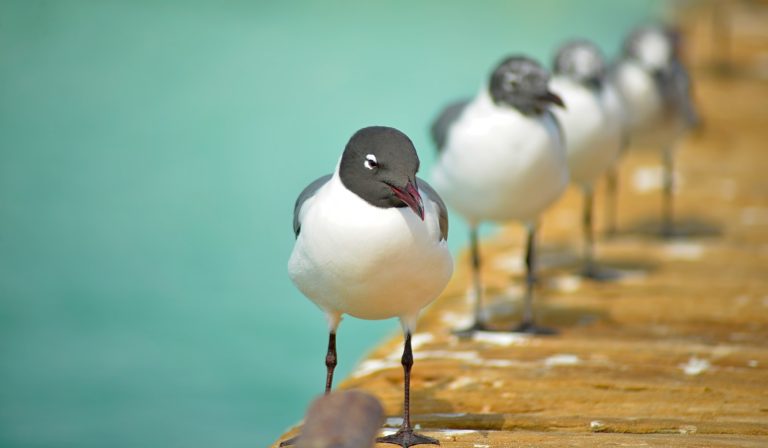
Birdwatching Around Riung and Its Mangroves
Riung Flores › 17 Islands Marine Park: What to Know › Birdwatching Around Riung Flores is one of Wallacea's most…
Travel Journal 14 min
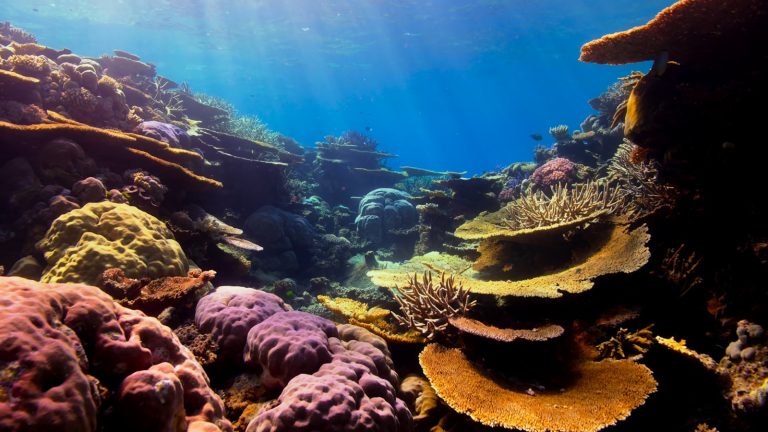
Marine Life at Riung 17 Islands: What You Actually See
Riung's 17 Islands Marine Park protects 183 documented coral species and 306 reef fish species, alongside dugong, dolphins, sea turtles…
Travel Journal 9 min
Travel Trends 2027 Affecting Riung Flores
As we approach 2027, travel trends in Riung Flores are shifting towards sustainable tourism, digital engagement, and personalized travel experiences,…