Shooting Underwater at Riung: Gear, Light and Settings
Riung Flores Editorial Desk 11 min read
Riung’s snorkeling is shallow, calm, and warm — documented as relaxed reef snorkeling over hard coral at Pulau Bampa rather than deep or drift conditions — which makes it a genuinely easy environment for an action camera or an entry-level underwater housing, without needing dive-grade equipment. The best light and calmest water for shooting is the same window boats depart in: 08.00–09.30, on a dry-season day.
What gear actually suits Riung’s conditions
Because the documented snorkeling here is shallow and calm rather than a drift dive, a rugged action camera (the GoPro/Osmo Action category) or a phone in a proper waterproof housing rated for the depths you’ll actually reach while snorkeling covers most of what Riung’s reefs offer. A full mirrorless or DSLR housing setup is more capability than the conditions call for unless you already own one and are comfortable managing it from a moving boat — Riung is not the place to learn underwater housing handling for the first time, given the informal, DIY nature of getting in and out of the water at each stop.
Settings and technique for shallow reef snorkeling
Shallow tropical reef water loses red wavelengths quickly even a few meters down, which is why reef shots without a red filter or corrected white balance often skew blue-green. If your camera supports it, use an underwater white-balance preset or a manual custom white balance set against something white just below the surface; a basic red/magenta filter designed for shallow tropical water helps if you’re shooting without editing afterward. Keep shutter speed reasonably fast to compensate for your own drift and the gentle swell — a tripod is not an option here, so leaning on faster shutter speeds and burst mode gets you more usable frames than a single deliberate shot.
Timing your shots around the boat’s own schedule
Specialist trip guides single out Pulau Bampa’s morning water as the clearest in the bay, specifically because wind and boat traffic haven’t yet stirred up the shallows. If underwater photography is a priority for your day, ask your skipper to schedule Bampa first, while conditions are calmest, rather than leaving it for a later stop in the day’s route — see our boat tour itinerary for how a typical day is sequenced.
Protecting your gear on an open wooden boat
Spray is constant once the boat is moving between islands, and there is no dedicated dry storage on most local boats. A simple dry bag for anything not currently in use, and a floating wrist strap or housing float for the camera itself, are worth the modest cost given how easy it is to lose or soak gear on a full day of repeated in-and-out entries. Rinse gear in fresh water at the end of the day if you have access to it back at your guesthouse — saltwater residue left to dry on housings and seals shortens their working life.
What to expect to actually capture
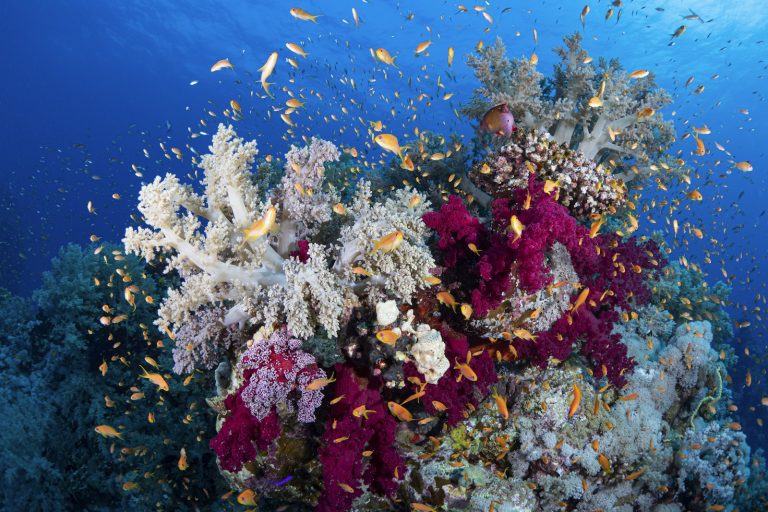
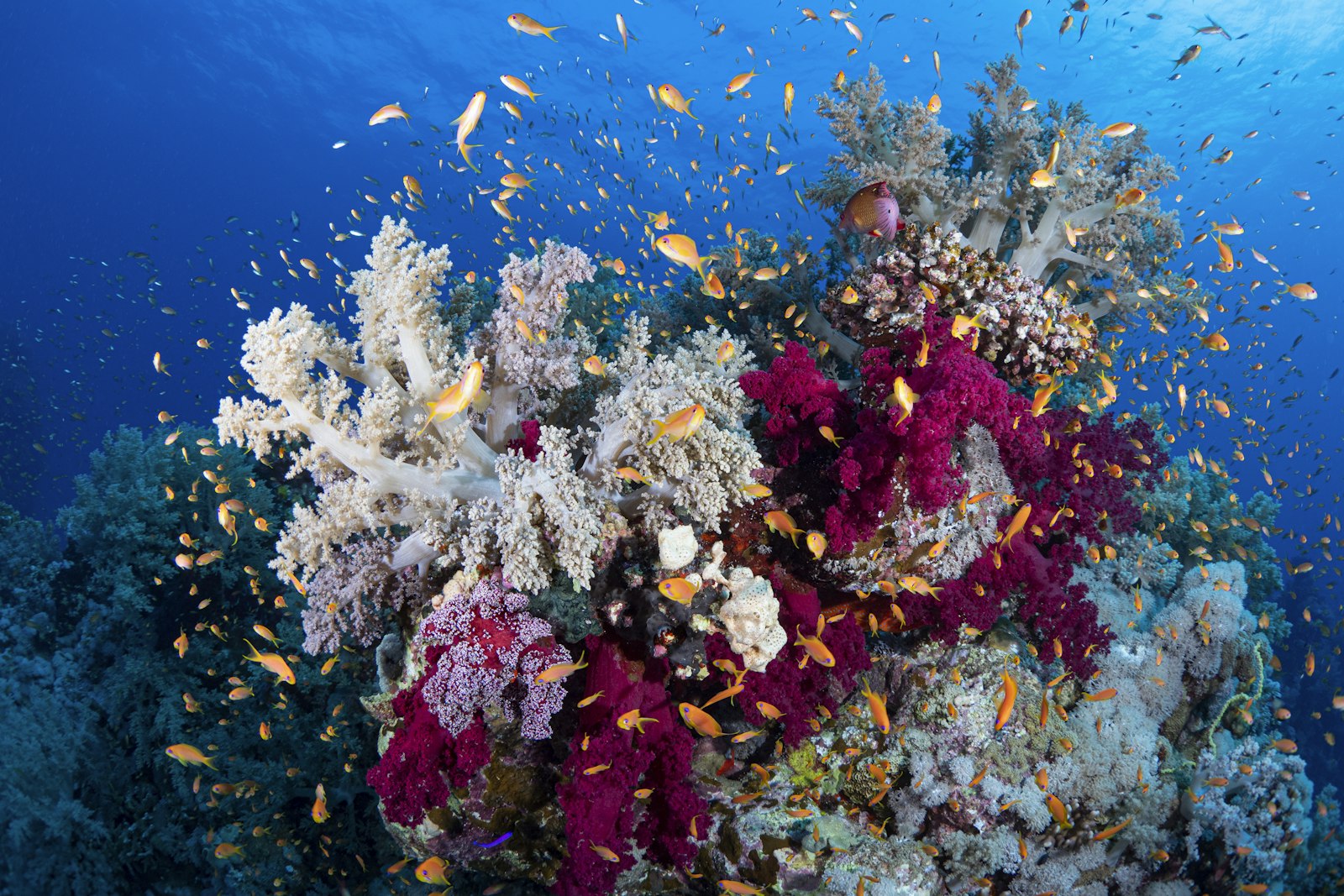
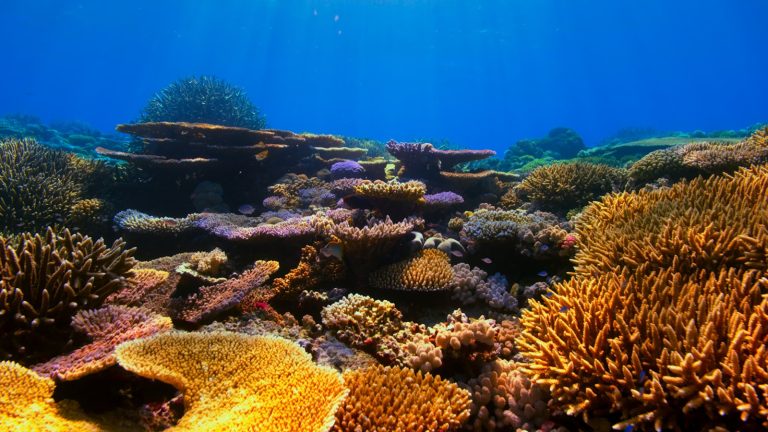
Based on documented sightings at Riung’s reefs — healthy hard coral, sea stars, reef fish in numbers, and occasional turtles — plan your shot list around reef-scale and macro-ish subjects rather than big pelagic action. We have found no documented manta ray sightings at Riung, unlike Komodo’s dive sites, so don’t build your trip’s photography goals around an encounter that isn’t documented here; see our Komodo snorkeling highlights guide if manta shots specifically are a priority for your wider Flores trip.
Above-water shots on the same day
Between snorkeling stops, the boat itself is a good vantage point for island silhouettes and open-water shots — see our dedicated photo spots guide for how to sequence topside shots (including the one verified named sunset viewpoint, Bukit Latung) around the same boat day covered here.
Wide-angle versus macro for Riung’s reefs
Given the documented reef character at Bampa — hard coral spread across a shallow area rather than a single dramatic wall or drop-off — a wide-angle lens or a camera’s native wide field of view generally captures more of what makes the reef worth photographing than a macro setup would. Macro attachments are worth packing only if you specifically want close-up shots of individual coral polyps or small reef fish, and are prepared to hold a steady, close position in open water without a resting surface — harder to do here than at a dive site where you can control buoyancy precisely.
A basic packing checklist for the boat day
| Item | Why |
|---|---|
| Action camera or housed phone | Matches Riung’s shallow, calm snorkeling conditions |
| Dry bag | Spray is constant on an open wooden boat between islands |
| Floating wrist strap or housing float | Prevents loss if the camera slips from your hand in the water |
| Spare battery / power bank | No charging point on most local boats for a full day out |
| Microfiber cloth | Housing ports fog and smear quickly in humid, salty air |
| Red or magenta filter (optional) | Corrects the blue-green color shift in shallow tropical water |
Rent locally or bring your own?
We have not found evidence of an established underwater-camera rental business based in Riung village itself, unlike larger dive hubs such as Labuan Bajo. Plan to bring your own gear rather than expecting to rent locally, and test it in a pool or calm water before your trip if it’s new to you — a Riung boat day, with limited time at each stop and no easy way to return to shore mid-session, is not the place to be troubleshooting an unfamiliar housing for the first time.
Basic editing after the trip
Shallow-water shots taken without a correcting filter typically need a white-balance and color-temperature adjustment in post to pull back the warmer tones lost underwater — most phone and action-camera editing apps have a dedicated “underwater” or manual white-balance slider built in. A modest boost to contrast and a slight reduction in the blue channel usually gets closer to what the reef actually looked like to your eye than the flat blue-green the camera captured directly.
Frequently asked questions
Do I need a dive-grade underwater camera housing for Riung?
No. Riung’s documented snorkeling conditions are shallow and calm, which suits an action camera or a properly rated waterproof phone housing. Dive-grade equipment is more capability than the conditions require for snorkeling here.
What’s the best time of day to shoot underwater at Riung?
Morning, specifically the 08.00–09.30 window most boats already depart in, when Pulau Bampa’s water is documented as clearest before wind and traffic stir up the shallows.
Will I see manta rays to photograph at Riung?
No documented manta sightings have been found at Riung. If manta photography matters to your trip, that expectation belongs with a Komodo National Park dive or snorkel site instead.
Effective underwater photography at Riung depends on a stable boat and a crew familiar with the sites. After assembling your gear, securing the right platform is the next challenge. For photographers needing space and reliability, a private charter is a practical solution. The Komodo Signature is one such vessel, available for custom boat tours or as part of a longer Flores sailing trip with Komodo Luxury.
Planning a photo-led day on Riung’s reefs
Riung’s conditions are friendly, but getting good images still depends on the exact spots you choose, how you brief the skipper, and how realistic your expectations are. Thinking through light, currents, and your own stamina before you charter a boat makes the difference between casual snapshots and a day that is genuinely centred on Riung underwater photography.
If you are coming primarily for images, sketch a loose shot list the night before: shallow hard-coral wide shots at Pulau Bampa, sand-and-seagrass textures at any turtle stop, and a late-afternoon surface session near Ontoloe if the bats are on your list. Cross-check those ideas with a current description of the main reef locations on our guide to Riung 17 Islands snorkeling trip logistics.
Many visitors now arrive with the specific phrase “foto underwater Riung” already in mind from social media. The reality is quieter than Instagram suggests, but you can still build a satisfying small portfolio here if you pair realistic reef-life expectations with a clear conversation about timing, safety and what the local wooden boats can comfortably support across a six-hour charter.
Can I do a photography-focused trip to Riung, and what are the most photogenic spots?
Yes, but you need to state that priority clearly when arranging the boat. Pulau Bampa’s shallow reef shelves best suit wide scenes, while some outer islets offer clearer sand patches for backlit snorkeller silhouettes. Ontoloe adds topside bat-flight shots near dusk. For a broader planning context, see our article on Riung 17 Islands photo spots before you fix a route.
How do I brief a skipper for a Riung underwater photography tour instead of a standard sightseeing loop?
Explain you prefer fewer stops with longer water time at Bampa and any turtle site, and that you care more about calm, clear conditions than ticking every island. Ask which reefs looked clearest in the last few days. Show sample images on your phone so expectations align. Clarify that you may want to stay in one spot 60–90 minutes if visibility and light hold.
Are underwater cameras or GoPros safe to use in Riung waters, and how do locals view this?
Local crews see action cameras as normal, and Riung underwater shooting is widely accepted as long as you do not stand on coral or chase turtles. The main risk is losing gear, not the water itself. Use a float strap, check housings before you leave shore, and keep electronics inside a dry bag while the boat is moving between islands.
How does Riung’s marine life affect the kind of underwater shots I should plan for?
Riung’s reefs lean towards hard coral gardens, small reef fish and occasional turtles rather than large pelagics. That favours wide-angle reefscapes and simple snorkeller portraits close to the surface. If you expect manta-level drama you will be disappointed; read our overview of marine life at Riung 17 Islands so your shot list matches what is actually present.
Is it realistic to combine serious shooting with looking after kids or non-swimmers on the same boat?
Only if another adult is fully focused on them while you are in the water. Local skippers watch the group, but they are handling anchoring and currents, not acting as in-water babysitters. For a split-focus day, keep sessions short, shoot close to the boat, and accept you may come home with fewer deliberate images than on a dedicated solo or adults-only Riung underwater day.
How many hours of water time can I expect on a full Riung boat day if I prioritise photography?
On a typical six-hour charter, you can reasonably expect three to four hours total in the water if you minimise long beach breaks and island walks. Concentrate that into two or three longer snorkel blocks rather than six short dips so you have time to experiment with angles and settings. Factor in your own energy levels under full sun.
What should I plan around tides, currents and season for clearer Riung underwater conditions?
Dry season from June to September usually brings the calmest, clearest water. Locals often prefer a mid to rising tide to avoid very shallow, easily stirred sand. Currents near passes can pick up in the afternoon, softening visibility. Ask the skipper which side of each island is currently most sheltered, and be prepared to swap planned stops if one bay looks milky on arrival.
Where does Riung fit into a bigger Flores trip if I care mainly about photography?
Riung works well as the quiet, shallow-reef counterpoint to a more structured Komodo leg, especially if you are already moving overland between Bajawa and Ende. For route and budget context, our page on how to reach Riung and costs sets Riung alongside other Flores stops so you can decide where to spend your limited shooting days.
If this guide has you planning more deliberate Riung underwater time than a local day boat can comfortably support, it is usually the point to fold Riung into a wider Flores–Komodo arc and let a professional crew handle the rest, whether through a flexible private charter, a structured one-day Komodo boat tour, or a multi-night liveaboard with more demanding underwater sites.
Keep reading
Uncategorized 11 min
Riung 17 Islands: What Changed for 2027
What's changed for Riung travel planning, most recent update first: a magnitude 7.7 earthquake struck north Flores on 15 August…
Uncategorized 11 min
Riung 17 Islands Solo Travel: Joining a Shared Boat
Riung 17 Islands as a solo traveller: the most cost-effective route is joining an existing group's shared boat rather than…
Uncategorized 11 min
Can You Dive at Riung 17 Islands?
Can you dive at Riung 17 Islands? No - there is no PADI dive centre or scuba operation based in…