As we approach 2027, travel trends in Riung Flores are shifting towards sustainable tourism, digital engagement, and personalized travel experiences, shaping the tourism industry and traveler preferences.
Forward-looking editorial view, not announced policy. Canonical figures: facts.md.
How travel in Riung is changing by 2027
Riung Flores is poised to see significant changes in its tourism landscape by 2027, influenced by evolving travel trends. With an increasing global emphasis on sustainability and personalized experiences, Riung Flores is adapting to meet these demands. This transformation is set to influence how travelers engage with this picturesque destination.
Sustainable Tourism in Riung Flores
One of the most prominent travel trends in 2027 is the push towards sustainable tourism. Travelers are increasingly conscious of their environmental impact, and destinations like Riung Flores are responding by integrating eco-friendly practices. Efforts include promoting local culture, supporting conservation projects, and encouraging eco-friendly accommodations, which are becoming a critical part of the booking process.
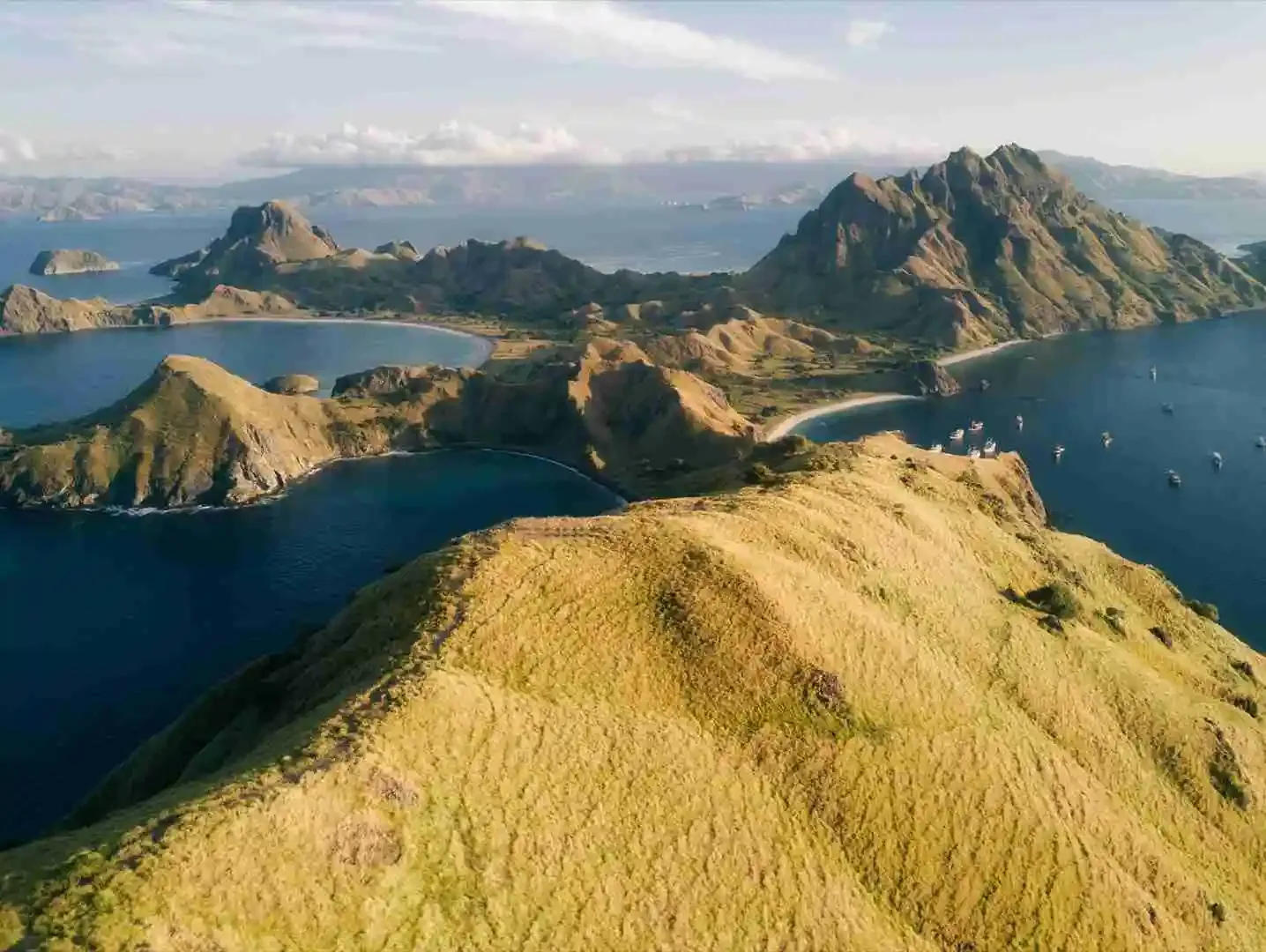
Riung is a taman wisata alam laut, a marine nature tourism park administered by BBKSDA NTT, not a national park, and conservation effort here is concentrated on the reef and mangrove system rather than on land. For instance, the 17 Islands Marine Park, known for its diverse marine life and coral reefs, is seeing increased efforts in conservation. Local authorities are working with environmental organizations to implement measures that protect these natural resources. Unlike Komodo National Park, which caps visitors at 1,000 a day park-wide, Riung has no published visitor quota and no published tariff sheet — the practical constraints here are waste management, anchoring behaviour and how many boats crowd the same sandbar on a given day.
Technological Integration
The tourism industry in Riung Flores is embracing technology to enhance the visitor experience. The use of digital platforms for bookings and virtual tours is rising, catering to tech-savvy travelers. This trend is not only improving accessibility but also offering personalized itineraries that align with individual preferences. The integration of augmented reality (AR) and virtual reality (VR) is expected to offer immersive experiences, providing a preview of the islands’ natural beauty and cultural heritage.
Digital platforms are being developed to facilitate travel planning. Mobile applications are being enhanced to provide real-time information on weather conditions, local events, and transportation schedules. These platforms also enable tourists to book guided tours, accommodations, and activities directly, making travel arrangements more convenient. The potential introduction of AR and VR technologies allows tourists to explore areas virtually before visiting, offering insights into cultural sites, hiking trails, and marine environments.
Personalized Travel Experiences
Travelers in 2027 are seeking unique and personalized experiences, a trend that Riung Flores is perfectly positioned to satisfy. This shift is reflected in the demand for bespoke travel packages that focus on authentic cultural interactions and off-the-beaten-path adventures. The local tourism industry is adapting by offering tailored itineraries that reflect the diverse interests of visitors.
Operators are crafting experiences that allow tourists to engage with local communities, participate in traditional ceremonies, and learn about indigenous crafts. For instance, visitors can join workshops on local textile weaving or cooking classes featuring traditional Flores cuisine. These experiences not only enrich the travel experience but also support local economies by involving community members as guides and hosts.
Increased Focus on Wellness Tourism
As health and wellness become a priority for travelers, Riung Flores is seeing a rise in wellness tourism. This trend is characterized by offerings such as yoga retreats, spa therapies, and nature-based activities that promote physical and mental well-being. These experiences are designed to help visitors unwind and reconnect with nature, a growing preference among the global traveler community.
Wellness retreats are being established in serene locations, offering programmes that combine physical activities like hiking and yoga with meditation sessions and holistic therapies. Some retreats are located near coastal areas, allowing participants to enjoy sunrise yoga sessions on the beach or guided walks through lush, tranquil forests. These activities are tailored to promote relaxation and rejuvenation, appealing to those seeking a break from the stresses of daily life.
2027 Note: Adapting to New Realities
By 2027, Riung Flores is expected to fully embrace these trends, reshaping its appeal to travelers worldwide. The destination’s commitment to sustainability, technological advancement, and personalized experiences is not only enhancing its attractiveness but also ensuring it meets the evolving expectations of the tourism industry.
Local stakeholders, including government bodies and tourism operators, are collaborating to develop strategies that align with these trends. Policies supporting sustainable practices, investment in digital infrastructure, and training programmes for local guides and service providers are being prioritized. These efforts aim to ensure that Riung Flores remains a competitive and desirable destination for international visitors.
FAQ
What travel trends in 2027 are impacting Riung Flores?
Travel trends impacting Riung Flores in 2027 include sustainable tourism, technological integration, personalized travel experiences, and wellness tourism.
How is Riung Flores adapting to technological advancements?
Riung Flores is integrating digital platforms for bookings and personalized itineraries, as well as using AR and VR for immersive experiences.
Why is wellness tourism becoming popular in Riung Flores?
Wellness tourism is gaining popularity due to travelers’ increasing focus on health, offering activities like yoga retreats and spa therapies that promote relaxation and well-being.
Reflecting on future travel trends for Riung in 2027, discerning visitors are likely to seek both authenticity and seamless experiences. While independent exploration remains popular, the demand for well-organised, locally informed marine excursions is growing. Companies offering shared sailing journeys or a premium private vessel option across the Flores region cater to these evolving expectations, providing expert navigation through the archipelago.
Practical 2027 Shifts: Access, Costs and Crowd Patterns
Behind the broad 2027 travel trends are very practical changes: how people reach Riung, what they pay on the ground, and how they avoid pressure points that can spoil a small coastal town. Independent travellers are planning earlier, budgeting more precisely, and treating Riung as a base for slower exploration of the north coast rather than a quick detour.
Transport routes are also shaped by broader Indonesian tourism policy. Visitors combining Bali, Labuan Bajo and Flores are now checking overland timings, new regional flight patterns, and levies long before they arrive, using resources such as Bali to Flores transit and levy guidance to map out a realistic sequence and buffer days around Riung.
Within Riung itself, modest upgrades in homestays, Wi‑Fi and backup power are changing how long people stay and work remotely. These shifts sit alongside stricter expectations on rubbish, reef etiquette and noise, which are covered in more detail in the site’s guide to responsible travel in Riung and Komodo. All of this is happening while Riung still feels firmly off the beaten path Flores compared with Labuan Bajo.
What should I know about travel time and scenery between Ruteng and Riung in 2027?
By 2027 the road between Ruteng and Riung is still slow, but better signed and marginally smoother in sections. Expect 7–9 hours with stops, depending on weather and vehicle. The scenery shifts from cool highland farms to drier coastal hills, with viewpoints over inlets and small villages. Breaks in Bajawa or near Soa hot springs are common to avoid a long continuous day.
What does motorbike rental in Riung realistically cost per day in 2027?
Motorbike rental in Riung remains informal, usually arranged through homestays. For 2027, a realistic daily rate is in the low to mid five‑figure rupiah range, depending on negotiation, fuel and helmet quality. Expect basic semi‑automatic bikes, cash payment, and no formal insurance. Photograph the bike at pickup and clarify who pays for puncture repairs.
How are 2027 crowd patterns changing day trips in the 17 Islands Marine Park?
Boat departures are spreading out more through the week, with slightly higher pressure around Indonesian public holidays and August. Operators are adapting by suggesting earlier departures and more varied island combinations. Checking the latest route notes in the site’s Riung 17 Islands 2027 update helps you avoid overlaps between large family groups and quieter snorkelling stops.
Is Riung still a quiet alternative if Komodo feels too regulated?
Riung is quieter and less regulated than Komodo National Park, but 2027 brings firmer expectations about waste, anchoring and reef protection. There is no SiOra-style online ticketing and the marine park fee is still a small local retribusi handled on the day. Travellers looking for flexibility appreciate this, but should not expect guaranteed wildlife such as Komodo dragons on the islands.
How many nights should I plan in Riung if I follow slow-travel trends?
Slow travellers are shifting from a single night to three or four. One full day covers the marine park boat trip, while extra time allows for sunrise walks, bat watching near Ontoloe, and rest after long bus rides. Longer stays also support local warungs and homestays, a theme explored further in the site’s look at accommodation trends in Riung.
How does Riung fit into an off-the-beaten-path Flores itinerary in 2027?
In 2027, Riung is increasingly used as the north‑coast anchor in an off the beaten path Flores route that links Mbay, Bajawa, and less‑visited inland villages. Travellers accept longer bus days and limited ATMs in exchange for quieter anchorages, simpler homestays and fewer package tours. Carrying extra rupiah and offline maps remains essential, as card facilities are still unreliable.
Are digital tools actually useful for planning Riung logistics now?
Digital planning is improving but not perfect. Mapping apps better reflect current roads and travel times, and messaging homestays or boat crews via WhatsApp has become normal. However, there is still no central booking engine for Riung boats, and schedules can shift with weather. Treat online information as a starting point and confirm prices and departure times again once you arrive in town.
As these 2027 trends push more travellers to plan Riung independently, there is a point where stitching buses and local boats together becomes less appealing than folding Riung into a wider Flores or Komodo leg with a crewed vessel. If you reach that stage, compare routes and vessel types on the fleet overview, look at slower-paced wellness charters, or slot Riung around structured Komodo sailing packages.
Keep reading

Travel Journal 11 min
Birdwatching Around Riung and Its Mangroves
Riung Flores › 17 Islands Marine Park: What to Know › Birdwatching Around Riung Flores is one of Wallacea's most…
Travel Journal 14 min
Marine Life at Riung 17 Islands: What You Actually See
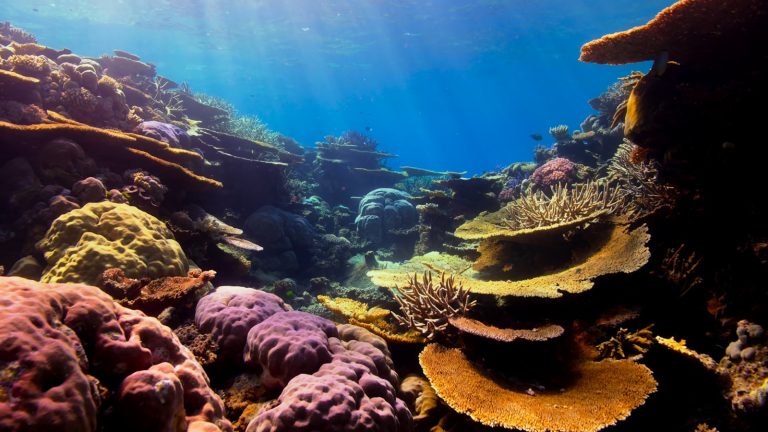
Riung's 17 Islands Marine Park protects 183 documented coral species and 306 reef fish species, alongside dugong, dolphins, sea turtles…
Travel Journal 13 min
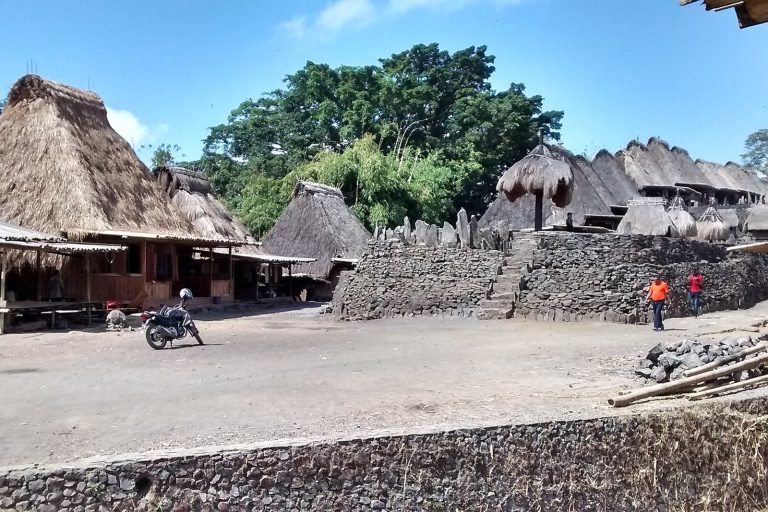
Riung’s Culture: Ethnic Groups, Language and Daily Life
Riung has its own distinct language and ethnolinguistic identity, separate from the better-known Ngada highland culture centred on Bajawa, with…