Community-Based Tourism in Riung: Where the Money Goes
Riung Flores Editorial Desk 12 min read

Where does the money go on a Riung boat day? Directly to a local boat captain, the crew, and often a homestay coordinating the trip — Riung’s tourism economy is small-scale and locally run rather than routed through large outside operators, so booking a boat here supports the captain and village directly rather than a distant agency’s margin.
Forward-looking editorial view, not announced policy. Canonical figures: facts.md.
Riung’s tourism economy runs on a small number of local boat captains, homestay owners, and warung operators rather than a large employer or an outside-owned tour company. Understanding that structure is useful both for practical reasons (it explains why booking works the way it does) and for travellers who care where their money actually ends up.
Who actually earns from a Riung boat trip?
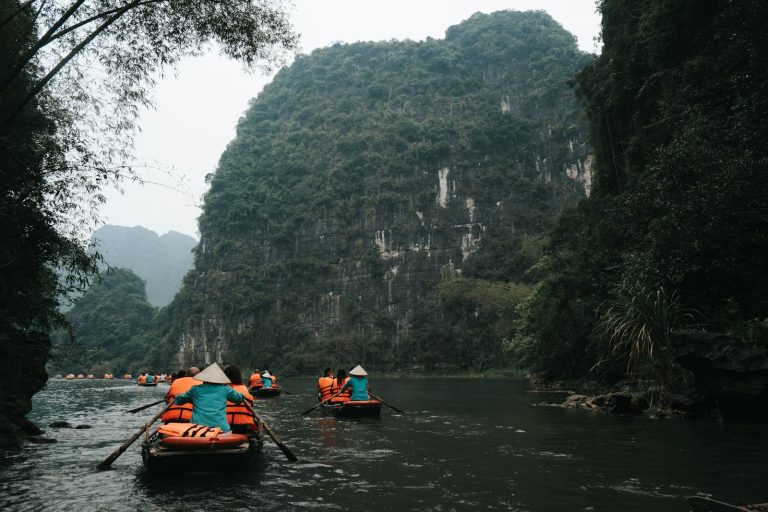
- The boat captain — typically a local fisherman or boat owner who also runs tourism trips, receiving the bulk of the day’s boat charter fee directly.
- Crew, if any — smaller boats may just have the captain; larger shared boats sometimes carry an assistant.
- The homestay, when they coordinate the booking — some take a small arrangement fee or simply build goodwill that brings return guests and referrals, rather than a large formal commission structure.
- Local warung and small shops for meals, drinking water, and any gear you rent or buy in the village.
Because there’s no large outside tour operator taking a substantial cut, a higher proportion of what you pay for a Riung day trip stays within the local economy compared with a trip booked through a large agency with overseas or Jakarta-based ownership.
Does booking directly versus through an agency change this?
Yes, meaningfully. See our independent-guide page for how to arrange a trip directly — doing so keeps the full amount you pay within the local Riung economy, rather than routing a portion to an outside agency’s margin. This isn’t a criticism of agencies generally, which serve a real logistics and translation role for many travellers, but it’s a practical fact worth knowing if supporting the local economy directly matters to you.
How does this compare with Komodo’s tourism economy?
Komodo National Park’s tourism economy, based in Labuan Bajo, is larger and more structured, with government park fees, ranger salaries, and a mix of local and larger commercial operators including established phinisi charter companies. Both economies support local employment, but at different scales and through different structures — Riung’s is smaller and more informally distributed among individual captains and homestays; Komodo’s includes a formal government fee structure that funds park management and ranger staffing alongside the private operator economy.
What does the BKSDA’s role mean for the local community?
BKSDA NTT manages the marine park itself as a conservation area, which is a separate function from the tourism-services economy described above — BKSDA’s role is conservation management, not running the local boat trade. The relationship between conservation management and local tourism livelihoods here is similar to many marine-protected-area destinations across Indonesia: the protected status supports the reef health that the tourism trade depends on, while the tourism trade itself remains locally run.
How can a visitor support the local economy more directly?
- Book your boat and stay directly with a local homestay rather than a large, non-local agency when the trip is Riung-only.
- Eat at local warung rather than bringing all your own food.
- Pay a fair local rate rather than aggressively negotiating down from a reasonable price.
- Ask your homestay about buying any local handicrafts or goods directly, if available, rather than only at a larger town elsewhere.
Why Riung’s model is different from a resort-town economy
In a larger resort destination, a meaningful share of what a visitor spends often flows to non-local ownership — hotel chains, international tour operators, imported goods. Riung’s small scale means the opposite is closer to true by default: homestays are typically family-run, boats are typically owned by the people captaining them, and food is typically sourced and prepared locally. This isn’t a deliberate “sustainable tourism” branding exercise so much as a straightforward function of the destination’s size and lack of larger outside investment to date — worth understanding plainly rather than romanticising, but genuinely a different economic structure from a resort-town model.
What happens to this model as Riung tourism grows?
Provincial tourism data has shown NTT-wide visitor growth in recent years, and BKSDA-recorded Riung marine park visits have historically run in the low thousands annually — a small enough number that outside investment and larger operators haven’t significantly entered the market the way they have around Labuan Bajo. If visitor numbers continue rising, it’s reasonable to expect more outside interest in building larger accommodation or operator businesses over time; for now, the small, locally-owned structure described above still describes how the local tourism economy actually works.
How does the August 2026 earthquake affect the local economy?
A magnitude 7.7 earthquake struck the region on 15 August 2026 with confirmed damage to homes in Riung itself — see our dated updates page for sourced details. Damage to homestays, boats, or other tourism-related property would have a direct impact on the same small, locally-owned businesses described throughout this page, making continued visitor spending — once it’s safe and appropriate to travel again — a meaningful part of the area’s recovery, alongside broader government and disaster-relief support.
Frequently asked questions
Is there a formal community-tourism cooperative in Riung?
This guide has not identified a single formal, named cooperative structure to cite here; Riung’s tourism economy functions more through individual captains and homestays than a centralised cooperative body, based on available information.
Do local guides get a share of Komodo Luxury’s bookings when Riung travellers continue to Komodo?
Komodo Luxury operates independently out of Labuan Bajo with its own crew and staff; a Riung-based referral to their Komodo products doesn’t route income back to Riung’s local economy specifically, since that’s a separate leg of the trip with its own local economy in the Labuan Bajo area.
Does tipping matter for supporting the local economy?
A reasonable tip for good service goes directly and immediately to the individual captain or crew member, making it one of the more direct ways to support the people actually running your trip.
Should I buy souvenirs or handicrafts in Riung rather than waiting for a bigger town?
If available and you’re interested, buying locally in Riung puts that money directly into the village economy rather than a larger town’s shops; ask your homestay what’s genuinely made locally versus brought in from elsewhere, so you know what you’re actually supporting.
Is it appropriate to ask my captain or homestay host about their own life and work?
Generally yes, with normal courtesy and genuine interest rather than treating it as a novelty — many hosts are happy to share how their work has changed as tourism has grown, and it’s a natural way to understand the community-tourism dynamic described on this page firsthand rather than only reading about it.
What responsible visitors can realistically expect to change by visiting
A single visitor’s spending is modest in absolute terms, but Riung’s tourism economy is small enough that individual travellers make up a meaningful share of total activity compared with a large resort destination where one visitor’s spending is a rounding error. Choosing to book locally, tip fairly, and spend within the village rather than routing everything through an outside intermediary has a proportionally larger, more visible effect here than the same choices would in a bigger, more developed destination.
Terakhir diperbarui: 25 Agustus 2026.
While community-based tourism defines the Riung experience, planning a trip to the more developed Komodo region often requires a professional operator for logistics. For comparison, Komodo Luxury offers structured boat tours and the option of a private boat charter with experienced crews. Reviewing the components of their day trip package can help set expectations for what a professionally managed tour in the wider Flores area includes.
Everyday spending in Riung: food, drinks and small services
Most of your cash in Riung marine tourism goes to a handful of very small family businesses: boat crews, homestays, warung kitchens and kiosks. Treating meals, drinks and small services as part of how can tourists support local communities in Riung sustainably helps spread income beyond your captain to people who rarely appear on any formal tour invoice.
Outside the boat and room rate, almost everything is paid in cash and arranged informally. Ask your host what a fair local price is before you negotiate, and be ready with small notes. If you plan to snorkel multiple days or join a charter from elsewhere, skim our overview in Riung 17 Islands: The Complete Guide to Flores Quietest Marine Park so you know which costs are normal and which are optional extras.
Riung sits inside Ngada Regency, so choices you make about eating, drinking and hiring services also feed into a wider Ngada marine tourism economy. If you are coming from or continuing to other parts of east Nusa Tenggara tourism, you will notice that Riung is still one of the simpler, more village-scale stops, which makes it easier to see where each note you spend actually lands.
Can I find fresh seafood dinners in Riung town?
Yes, you can find fresh seafood dinners in Riung town most evenings, especially near the harbour. Small warung grill fish, squid and sometimes prawns caught that morning, usually sold by portion rather than by weight. Ask your homestay which stall is currently consistent. Ordering a whole grilled fish to share is a simple way to support kitchens that rely almost entirely on passing visitors.
What are the best local seafood restaurants in Riung Flores harbor area for supporting families directly?
The best local seafood restaurants in Riung Flores harbor area are small family warung with plastic tables rather than formal signage. Turnover changes, but a cluster near the jetty and on the main road towards town are reliable. Walking the strip around dusk lets you see which grills are active. Paying in cash, ordering sides, and returning the next night spreads your spending beyond just your homestay.
Can you buy fresh fish from local fishermen in Riung, and is it a good idea?
Yes, you can buy fresh fish from local fishermen in Riung if you meet them as they land their catch, usually early morning near the pier. Ask politely and accept if they decline; many have standing buyers. If you do buy, agree a price per fish, then have a warung or your host cook it. This channels money to both fishers and small kitchens rather than to an intermediary.
Can I buy beer or drinks to take on the boat in Riung without causing offence?
You can buy beer and soft drinks in a few small shops and some homestays will sell bottles. It is generally fine to take sealed drinks on the boat if you behave respectfully and pack out all rubbish. Ask your captain first, and avoid heavy daytime drinking. Buying from village kiosks rather than importing a case from a bigger town keeps that spending local.
Are there any bars or nightlife options in Riung town or is it quiet after dark?
There are no formal bars or nightlife options in Riung town; evenings are quiet. Social life tends to centre on homestay terraces, simple eateries and a few shops that stay open later. This suits travellers who prioritise early boat starts over late nights. If you want more structured nightlife, plan that for Labuan Bajo or another hub and keep Riung evenings low-key.
How can tourists support local communities in Riung sustainably through food and small purchases?
Eat at different warung over your stay, buy fruit or snacks from small vendors, and pay attention to portion sizes so food is not wasted. Ask homestays if a family member can cook one dinner. If you are curious about conservation projects linked to Riung marine tourism, see who is protecting the reefs locally and consider a modest donation or gear purchase that directly funds that work.
How does spending time in Riung fit into wider East Nusa Tenggara tourism plans?
Riung works best as a slower stop in a longer Flores route rather than a rushed side-trip from Labuan Bajo. Two or three nights allow you to spend on boats, food and small services at an unhurried pace. Using the full Riung article index to plan your timing helps balance days on the water with evenings in town, so your visit benefits more than just one or two businesses.
Does choosing Riung over a more famous park change anything for local incomes?
Yes, a few days in Riung shifts a slice of visitor spending from crowded hubs into a quieter corner of the island. Compared with larger ports, one extra charter or a couple of full restaurant nights is noticeable here. As east Nusa Tenggara tourism grows, consciously including Riung and similar small ports in your route keeps income more evenly spread along the coast rather than concentrated in one gateway town.
Because this page focuses on who earns what in Riung, the natural next step is deciding when to stay fully local and when to add a crewed Komodo leg. Independent days in Riung pair well with a structured Komodo boat tour, a short 3D2N Komodo tour, or a longer 4D3N Komodo itinerary once you want licensed crews, fixed inclusions and a wider route.
Keep reading
Travel Journal 11 min
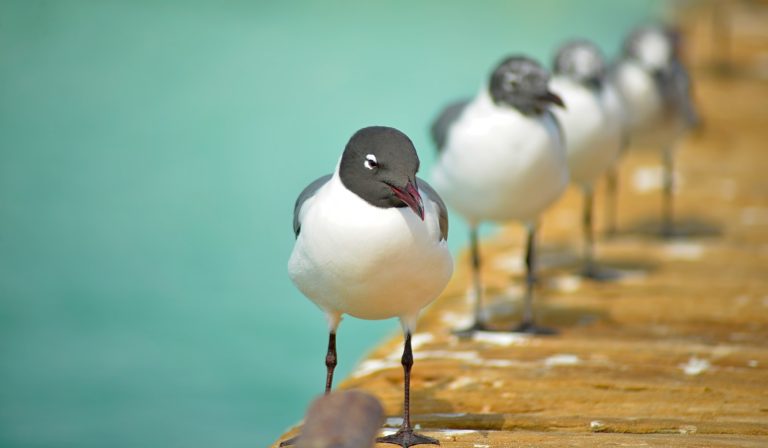
Birdwatching Around Riung and Its Mangroves
Riung Flores › 17 Islands Marine Park: What to Know › Birdwatching Around Riung Flores is one of Wallacea's most…
Travel Journal 14 min
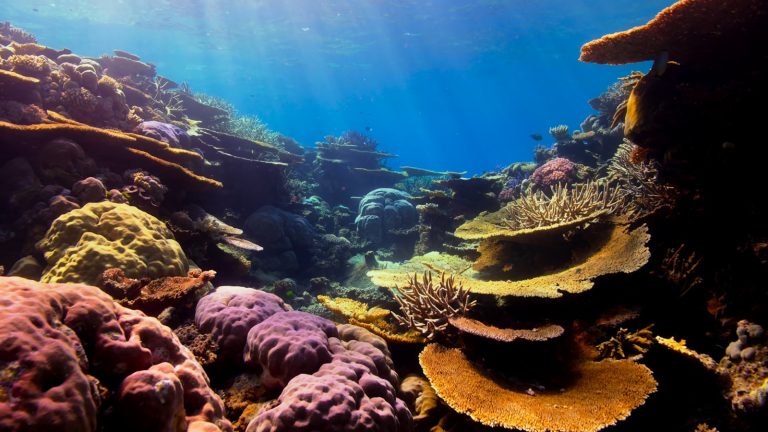
Marine Life at Riung 17 Islands: What You Actually See
Riung's 17 Islands Marine Park protects 183 documented coral species and 306 reef fish species, alongside dugong, dolphins, sea turtles…
Travel Journal 9 min
Travel Trends 2027 Affecting Riung Flores
As we approach 2027, travel trends in Riung Flores are shifting towards sustainable tourism, digital engagement, and personalized travel experiences,…