Snorkelling Riung vs Komodo: Reefs, Turtles and Visibility
Riung Flores Editorial Desk 9 min read
Riung’s reefs are calmer and more sheltered, well-suited to relaxed, beginner-friendly snorkelling; Komodo’s reefs include stronger-current sites with higher fish biomass and more dramatic drop-offs, better suited to confident swimmers. Neither is objectively “better” — they suit different snorkelling styles and comfort levels.
Reef conditions: calm bay vs strong-current channels
Riung’s islands sit in a relatively sheltered bay area, which keeps most snorkelling sites calm and low-current — a meaningful advantage for beginners, families, or anyone uneasy in open water. Komodo National Park’s snorkelling sites, particularly around the Komodo-Rinca strait, are known for stronger tidal currents driven by the narrow channels between islands; some of Komodo’s most celebrated sites (Manta Point among them) are specifically valued because those same currents bring nutrient-rich water that supports larger marine life, but they also demand more swimming confidence and, at some sites, drift-snorkelling technique.
Visibility comparison
This site has not located directly comparable, scientifically measured visibility data (in metres) for Riung versus Komodo National Park reef sites from a single consistent source, so a precise numeric comparison would be fabricated rather than sourced. What can be said from consistent independent trip reports: both regions offer generally good visibility in dry-season months (roughly April–November), with visibility at both dropping during wetter months due to runoff and rougher seas. Neither destination should be assumed to have guaranteed visibility year-round.
Turtle and fish density
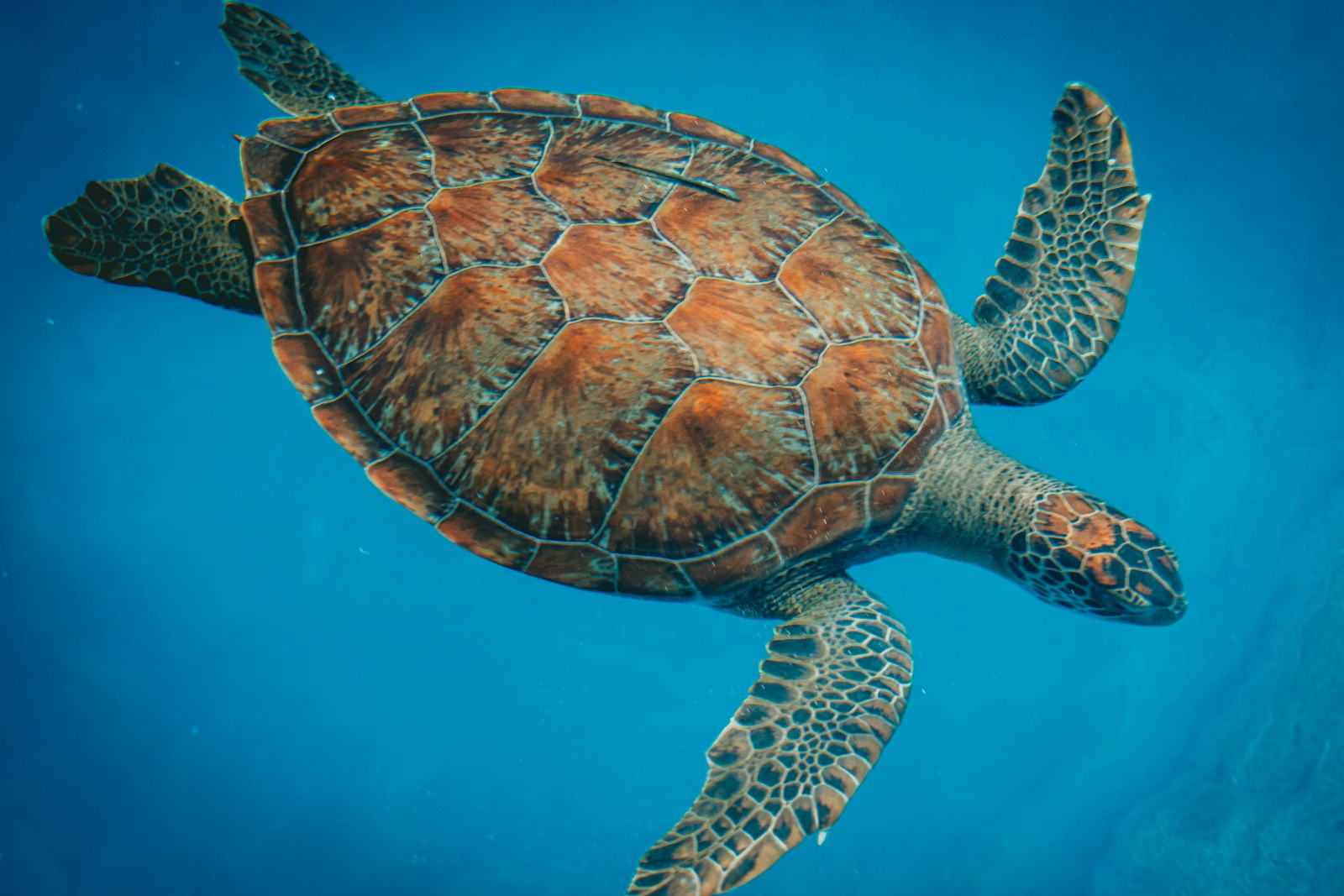
Sea turtles are reported reasonably often at both Riung and within Komodo National Park’s snorkelling sites — see the Riung turtles and mantas page for what’s realistic to expect at Riung specifically. Komodo National Park’s reef-fish biomass is more extensively documented in conservation literature given the park’s higher research and monitoring activity as a national park, while Riung, managed by BKSDA NTT rather than a national park authority, has less publicly available underwater survey data. This is a data-availability gap, not necessarily evidence that Riung’s reefs are less healthy — anecdotal snorkeller reports describe Riung’s coral cover as visually strong, but without a published survey to cite.
Coral condition
Coral bleaching pressure affects reef systems across Nusa Tenggara Timur broadly, including areas near both Riung and Komodo, driven by regional sea-temperature trends — see the climate change impact page for the sourced regional research on this. Neither destination is immune, and this site has not found site-specific bleaching-severity comparisons between the two locations.
Which suits which snorkeller?
| Snorkeller type | Better fit | Why |
|---|---|---|
| Beginner / nervous in open water | Riung | Calmer, more sheltered bay conditions |
| Confident swimmer wanting bigger marine life | Komodo National Park | Current-driven sites like Manta Point attract larger pelagic species |
| Family with young children | Riung | Lower current risk, quieter beaches to rest between swims |
| Diver/snorkeller chasing a “bucket list” species list | Komodo National Park | Better-documented sites for manta rays and pelagic sightings |
Gear and preparation differences
Riung’s calmer conditions mean basic snorkelling gear (mask, snorkel, fins) is generally sufficient, and many local boats can supply it, though quality and fit are not standardised — bringing your own mask if you have a specific fit preference is a reasonable precaution. Komodo’s stronger-current sites more often benefit from a wetsuit top or rash guard for both sun protection over longer surface swims and some thermal buffering, plus a snorkelling vest or flotation aid if you’re not a strong swimmer and plan to visit a current-affected site like Manta Point. Confirm with your operator (whether a Riung boatman or a Komodo Luxury guide) what’s provided versus what you should bring.
Guided vs self-directed snorkelling
Riung’s boat trips are informally guided at best — your boatman may point out good spots but there is no dedicated snorkel guide swimming with you in the way a structured tour might provide. Komodo National Park trips with an established operator typically include a guide in the water at current-affected sites specifically because of the safety considerations those currents introduce; this is a meaningful difference if you’re a less confident swimmer trying to decide which destination fits your comfort level.
Can you do both on one trip?
Yes, and many overland Flores travellers do exactly this — Riung as a quieter, calmer-water stop on the Bajawa–Ende corridor, then a separate Komodo National Park leg based out of Labuan Bajo for the stronger-current, bigger-marine-life sites. See the fuller destination comparison on the Riung vs Komodo page, and Komodo Luxury’s sailing trips for the Komodo leg specifically.
Frequently asked questions
Is the water clearer at Riung or Komodo National Park?
No single sourced comparison exists for this. Both offer generally good dry-season visibility based on independent trip reports, with no verified numeric visibility data to compare directly.
Which has stronger currents, Riung or Komodo?
Komodo National Park, particularly around the Komodo-Rinca strait and sites like Manta Point, is known for stronger tidal currents than Riung’s more sheltered bay conditions.
Is Riung better for beginner snorkellers than Komodo National Park?
Generally yes, due to calmer, more sheltered conditions, though individual sites within Komodo National Park also vary in current strength.
Can I see the same marine life at Riung as at Komodo National Park?
Not entirely — Komodo National Park’s current-driven sites are better documented for manta ray and larger pelagic sightings, while Riung is not established as a manta destination.
Last updated: August 25, 2026
Seasonality, timing and site choice for clearer, calmer snorkelling
Beyond broad comparisons, the timing of your visit and which islands you choose inside Riung bay have as much impact on snorkel quality as the Riung vs Komodo decision itself. Currents, wind chop and boat traffic all vary through the day and across the April–November dry season, so planning your sessions helps you get the best of both areas.
For detailed day-by-day expectations of visibility, current strength and wind across the Riung bay islands, see the independent notes on Riung 17 Islands sea conditions. They outline how local skippers sequence stops so beginners stay in sheltered coves while stronger swimmers can try slightly more exposed reefs.
If sea turtles or occasional rays matter more to you than raw coral cover, cross-check this comparison with the realistic species expectations on turtles and rays at Riung. That page helps you decide whether to prioritise a calm Riung snorkelling day, a currenty Komodo drift, or a mixed itinerary that includes both.
When is the best season to visit Riung Flores for good visibility and calm seas?
The most reliable window for clear, settled conditions is June to September, within the broader April–November dry season. Seas are usually flatter, rainfall lower and runoff reduced, which favours visibility. December–March can still deliver decent days, but squalls, chop and turbidity are more frequent. If your priority is relaxed, beginner-friendly Riung snorkelling rather than Komodo-style drift sites, avoid the core wet months where possible.
Is snorkeling visibility around Riung better in the morning or afternoon?
Locally, guides tend to target clearer reefs in the morning. Wind often picks up after lunch, adding surface chop and haze, while small day boats also increase later. Light angle is softer early, which helps you see into the water without glare. Afternoons can still be enjoyable, especially in coves shielded from the wind, but your sharpest visibility is usually pre‑midday.
How does a “Riung October calm sea trip” usually compare with Komodo in the same month?
By October, both areas are often still in late dry-season mode, with warm water and decent clarity. Komodo can see stronger transitional currents around the straits, which experienced snorkellers enjoy for fish life but that can feel tiring. A Riung October calm sea trip is more likely to stay within protected bays, with lighter drift and less surface chop, better suited to mixed-ability groups.
Which islands in Riung bay are best for very cautious swimmers?
Skippers usually pick small, leeward coves behind the main outer islets for nervous swimmers, avoiding channels where wind and tide combine. Names and favourites change with conditions, so say clearly that you prefer shallow, near‑beach coral gardens rather than drop-offs. Inside Riung bay, it is common to split a day so beginners stay close to shore while others explore slightly deeper fringe reefs from the same anchorage.
How should I split snorkel time between Riung and Komodo in a 10–14 day Flores trip?
For a balanced itinerary, many travellers give Komodo 2–3 boat days focused on stronger-current, high‑biomass sites, then schedule one quieter Riung bay day for slower, low‑stress snorkelling. The sample 10–14 day Flores itinerary shows how to sequence Bajawa, Riung and Labuan Bajo to minimise backtracking while allowing rest days between intensive Komodo excursions.
Is Komodo always the better choice for experienced snorkellers?
Not automatically. Confident swimmers often enjoy Komodo’s drift sites and big-fish edges, but they also value a low-key day in Riung to recover between long boat runs. Riung’s sheltered channels give you more control over depth and effort, which can be useful after several tide‑driven drifts. Many advanced snorkellers report appreciating the contrast in tempo rather than treating one destination as superior.
How do climate and conservation pressures differ between Riung and Komodo for snorkellers?
Both areas experience regional warming and occasional bleaching events, but monitoring and publicity are heavier around Komodo. Riung’s reefs rely more on community‑level efforts and local enforcement. The overview on climate impacts on Riung reefs explains why some patches may look stressed beside healthier blocks, and why conditions can vary sharply even within one snorkel route.
For travellers weighing calmer Riung reefs against current-swept Komodo channels, the turning point from planning to booking is usually when you commit to dates and comfort levels in the water. At that stage, consider a crewed private boat charter or structured Komodo sailing trip, or fold day-snorkel time into broader Labuan Bajo tours so logistics and currents are handled for you.
Keep reading
Uncategorized 11 min
Riung 17 Islands: What Changed for 2027
What's changed for Riung travel planning, most recent update first: a magnitude 7.7 earthquake struck north Flores on 15 August…
Uncategorized 11 min
Riung 17 Islands Solo Travel: Joining a Shared Boat
Riung 17 Islands as a solo traveller: the most cost-effective route is joining an existing group's shared boat rather than…
Uncategorized 11 min
Can You Dive at Riung 17 Islands?
Can you dive at Riung 17 Islands? No - there is no PADI dive centre or scuba operation based in…