Diving Komodo: Manta Point, Batu Bolong, Castle Rock
Riung Flores Editorial Desk 7 min read
Komodo’s four signature dive sites: Manta Point for reliable manta ray sightings in shallow water, Batu Bolong for a current-swept pinnacle reef, and Castle Rock and Crystal Rock for strong-current seamount dives with sharks and large schooling fish. All four suit intermediate-to-advanced divers; none are available from Riung, which has no scuba infrastructure of its own.
Divers researching this part of Flores sometimes land on this page looking for Riung dive sites and find Komodo’s instead — that’s not a mistake on your part. Riung’s marine park is a snorkelling destination with no dive centre of its own (see our Riung diving explainer), while Komodo National Park, reached from Labuan Bajo, is where the region’s actual scuba diving happens. This guide covers Komodo’s best-known sites for travellers planning that leg of a Flores trip.
Manta Point
Manta Point is the most reliable manta ray site in Komodo National Park, drawing divers specifically for close, repeated manta encounters rather than a broader reef-life dive. Dive operators commonly describe entering around 8-10 metres a short distance from a small island and drifting with the current at depths generally no deeper than about 15 metres, watching mantas feed and pass through cleaning stations. Current can be present but is typically more moderate here than at the seamount sites below, and Advanced Open Water certification is commonly recommended given the drift conditions.
Batu Bolong
Batu Bolong (“hollow rock”) is a dramatic pinnacle rising from deep water almost to the surface, positioned in the middle of a channel that funnels strong current across it — the current is exactly what sustains the dense reef life the site is known for. Dive operators commonly describe the dive starting on a shallow coral garden around 5-6 metres before descending along the pinnacle to roughly 28-30 metres, with fish life across the water column. This is consistently described as an intermediate-to-advanced site regardless of the day’s specific conditions, given the currents are rarely fully absent here.
Castle Rock
Castle Rock is a seamount dive with a depth range commonly reported at roughly 15-30 metres, known for strong currents that draw larger pelagic life — white-tip reef sharks, barracuda, and occasional mantas passing through. Dive operators typically recommend a meaningful level of prior experience (commonly cited around 40-50 logged dives) plus Advanced Open Water certification before attempting this site, given how consistently strong the current runs.
Crystal Rock
Crystal Rock sits near Castle Rock and shares a similar profile: another current-swept seamount, commonly associated with grey reef sharks, white-tip reef sharks, and giant trevally hunting in the current. Currents here are frequently described by operators as among the strongest in the park, making this a site reserved for experienced divers rather than a first Komodo dive.
| Site | Typical depth range | Known for | Experience level |
|---|---|---|---|
| Manta Point | ~8-15 m | Reliable manta ray encounters | Advanced Open Water recommended |
| Batu Bolong | ~5-30 m | Dense current-fed reef pinnacle | Intermediate-advanced |
| Castle Rock | ~15-30 m | Sharks, barracuda, strong current | Advanced, meaningful dive experience recommended |
| Crystal Rock | Similar to Castle Rock | Grey reef sharks, giant trevally, very strong current | Experienced divers only |
Figures above reflect what is consistently reported across multiple independent Komodo dive operators, not a single source; treat exact depth and current conditions as variable by day and tide, and confirm current site-specific briefings with your dive operator before each dive.
How do you actually dive these sites from a Flores trip?
All four sites are accessed from Labuan Bajo, either via day-boat dive trips or as part of a multi-day liveaboard covering a wider spread of Komodo National Park’s dive sites. See Komodo Luxury’s liveaboard and phinisi charter pages, and confirm directly with the operator whether diving is included or arranged separately for your specific vessel, since this varies by boat.
Is there a best season for diving these sites?
The general April-November dry season window described in our best time to visit guide applies broadly to sea conditions across this region, though manta and current-fed sites can have their own seasonal patterns for specific sightings — ask your dive operator about current conditions for the specific months you’re travelling.
What certification level should you actually hold before booking?
Open Water certification is the minimum baseline for diving in Indonesia generally, but for the four sites on this page specifically, Advanced Open Water is the level most consistently recommended by operators, given the drift and current conditions common to all four. If you’re only Open Water certified, look into completing your Advanced certification either before your trip or through a local dive shop in Labuan Bajo before attempting Castle Rock or Crystal Rock specifically — Manta Point and, on calmer days, Batu Bolong are more commonly where less experienced divers start within this group.
What should you ask a dive operator before booking a trip to these sites?
- Which of the four sites are actually on the planned itinerary for your specific dates, since not every trip covers all four.
- What certification level and minimum logged dives they require for each site.
- Group size per dive guide, since current-heavy sites are safer with smaller, well-supervised groups.
- Whether a check dive or briefing happens before the more demanding sites, particularly if it’s your first time diving in this specific part of Komodo.
How do these sites fit into a broader liveaboard itinerary?
Multi-day liveaboards typically sequence dive sites by location and current conditions on the day rather than a fixed order, often combining one or two of these four signature sites with calmer reef dives and the park’s above-water highlights (Padar, Pink Beach, dragon treks) across a 3-6 night charter. See our 4D3N Flores and Komodo route guide for how a broader itinerary typically balances diving, trekking, and travel days.
What marine life can you realistically expect to see, beyond the headline species?
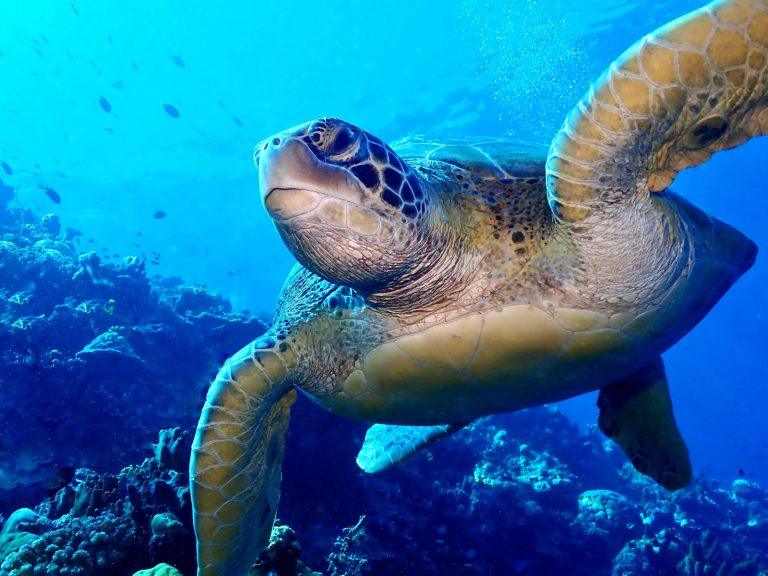
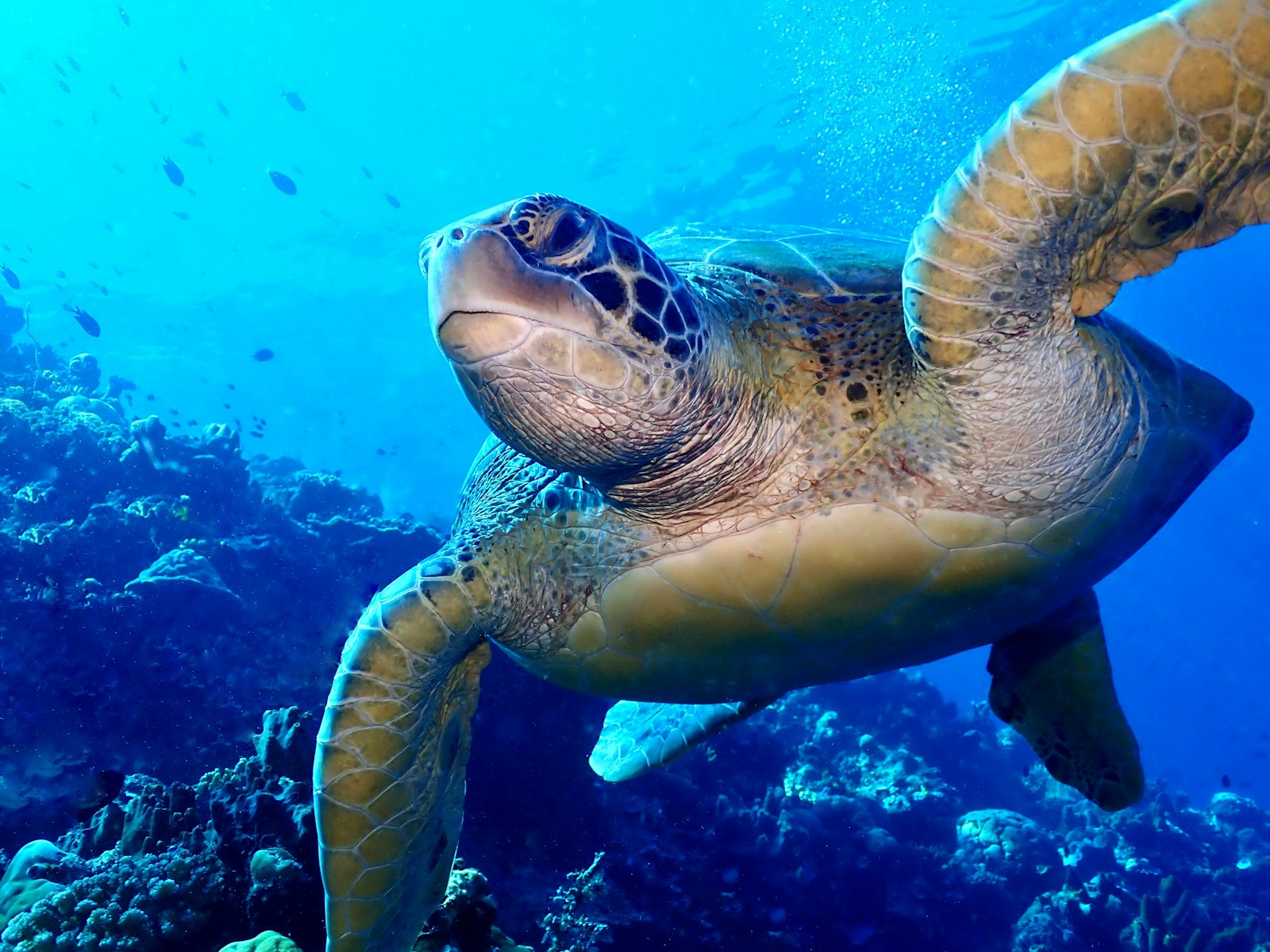
Alongside the reef sharks, mantas, and large schooling fish each site is known for, expect a dense general reef-fish population, healthy coral cover in the shallower sections, and — depending on the day and site — the possibility of turtles or smaller reef predators like trevally hunting through the current. Komodo’s dive sites are consistently rated among Indonesia’s richest for sheer density and variety of marine life, which is exactly what the strong currents at these specific sites help sustain.
Frequently asked questions
Can a beginner diver do any of these four sites?
Manta Point is the most commonly recommended starting point of the four for less experienced divers, though Advanced Open Water certification and comfort with drift diving are still generally expected; the other three sites are consistently described as suited to more experienced divers given their stronger currents.
Do these dive sites have a separate ticket or tag fee?
Diving here falls within Komodo National Park’s general entrance framework; see our permits and fees guide for the official tariff, and note that no separately published “diving tag” fee has been confirmed for this guide.
Can I visit these dive sites as a day trip from Labuan Bajo, or do I need a liveaboard?
Day dive-boat trips to some of these sites are available; a liveaboard is more relevant if you want to combine diving with the park’s above-water highlights (Padar, Pink Beach, dragon treks) across several days rather than diving alone.
What’s the water temperature like at these sites?
Water temperature in Komodo National Park varies by site and season, with some current-fed channels running noticeably cooler than sheltered bays due to upwelling — bring at least a 3mm wetsuit as a sensible default, and ask your dive operator for current specific guidance for the sites and season you’re diving.
How does visibility compare across these four sites?
Visibility varies with tide, current strength, and season rather than being uniform across the park; the same currents that draw large marine life to these sites can also stir up particulate matter, so visibility on a strong-current day may be lower even as the marine-life sightings improve — a trade-off experienced Komodo divers generally accept as part of what makes these specific sites worthwhile.
Terakhir diperbarui: 25 Agustus 2026.
Exploring Komodo’s signature dive sites reveals the region’s premier scuba opportunities. When ready to experience these currents and marine life firsthand, consider booking a Komodo liveaboard adventure. Komodo Luxury offers a diverse fleet, including options for VIP boat charter. Book with Komodo Luxury for the Komodo sailing trip leg. This guide does not operate boats. Bookings are fulfilled by Komodo Luxury, and this site may earn a referral commission.
Keep reading
Uncategorized 11 min
Riung 17 Islands: What Changed for 2027
What's changed for Riung travel planning, most recent update first: a magnitude 7.7 earthquake struck north Flores on 15 August…
Uncategorized 11 min
Riung 17 Islands Solo Travel: Joining a Shared Boat
Riung 17 Islands as a solo traveller: the most cost-effective route is joining an existing group's shared boat rather than…
Uncategorized 11 min
Can You Dive at Riung 17 Islands?
Can you dive at Riung 17 Islands? No - there is no PADI dive centre or scuba operation based in…