
Seasickness and Small-Boat Comfort on Flores Trips
Riung Flores Editorial Desk 13 min read
The most effective seasickness prevention for Flores boat trips is taking motion-sickness medication 30-60 minutes before departure, sitting low and central in the boat facing forward, keeping your eyes on the horizon rather than a phone screen, and choosing morning departures when seas are calmer.
Why This Deserves Its Own Page, Not Just a Packing-List Line Item
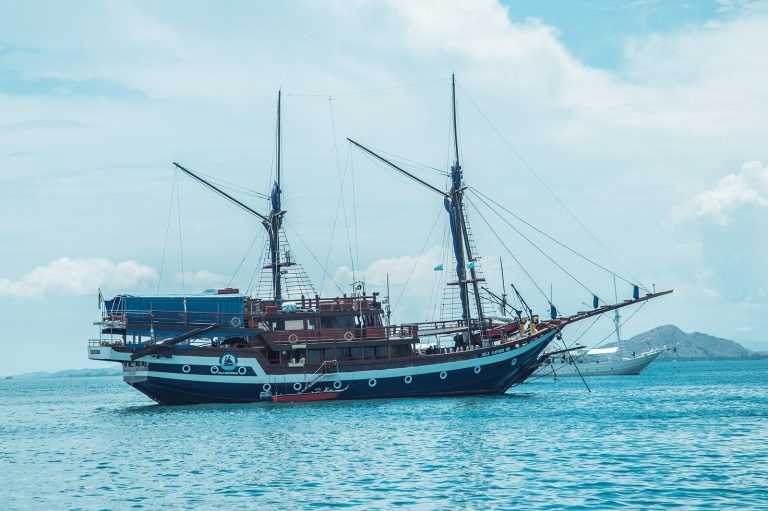
Seasickness is the single most common thing that derails an otherwise good Riung or Flores boat day, and it deserves more than a one-line mention in a general packing guide. Small wooden boats — the standard vessel type for Riung’s open trips and charters — move differently from a larger liveaboard or a Labuan Bajo tour boat: more responsive to chop, less stabilised, and with less shaded, low-motion seating available if you start feeling unwell partway through the day. Preparing specifically for this, rather than assuming general seasickness advice covers it, makes a real difference on this particular kind of trip.
Before You Board: Medication Timing
Standard over-the-counter motion-sickness medications (such as dimenhydrinate or meclizine, widely available at pharmacies in Bajawa or Ende before you reach Riung) work best taken 30-60 minutes before departure, not after symptoms start. If you know you’re prone to seasickness, don’t wait to see how you feel once the boat is moving — take it preventively as a matter of course on every boat day, including a day you feel fine that morning, since Riung’s boats don’t turn back partway through a route for one uncomfortable passenger.
Where to Sit on a Small Boat
Seating position genuinely matters on the wooden boats used for Riung’s open trips and charters. The most stable position is low in the boat and as close to the centre (both lengthwise and side to side) as the seating allows, since this is the point of least amplified motion — the bow and stern pitch more, and the upper deck (if the boat has one) rolls more than the lower, more central seating area. Face forward in the direction of travel rather than sideways or backward if you have the choice, since this reduces the sensory mismatch between what your inner ear feels and what your eyes see, which is a large part of what causes motion sickness in the first place.
The Horizon Rule
Keep your eyes on a fixed point on the horizon — the coastline, an island ahead, the horizon line itself — rather than looking down at a phone, book, or camera screen while the boat is moving. This is the single most effective free intervention available to you once you’re already on the water: reading or scrolling on a moving boat is one of the most reliable ways to trigger or worsen motion sickness, even for people who don’t normally get seasick easily.
Food and Hydration Strategy
Eat a light meal before departure rather than boarding on an empty stomach or, conversely, a heavy one — both extremes make seasickness more likely for most people. Avoid excess alcohol the night before a boat day, since dehydration and a rough night’s sleep both worsen motion-sickness susceptibility. Bring water and sip it steadily through the day rather than large amounts at once, and pack plain crackers or similar simple snacks, which are easier on a queasy stomach than rich or greasy food if you do start feeling unwell partway through the day.
Timing: Morning Departures and Sea Conditions
Riung boats typically depart between 08.00 and 09.30 specifically because morning seas are calmer before afternoon wind picks up — this timing isn’t arbitrary, and it works in your favour for seasickness prevention as well as for snorkelling visibility. If you have a choice between an earlier or later departure option, earlier is generally the more comfortable choice from a motion standpoint, independent of any other planning consideration.
What to Do If You Start Feeling Unwell Mid-Trip
Move to the lowest, most central seating position available if you aren’t already there, fix your eyes on the horizon, and get fresh air rather than retreating to any enclosed or below-deck space if the boat has one — enclosed spaces with less horizon visibility and more engine fume exposure generally make symptoms worse, not better. Tell your captain if you’re struggling; Riung’s boats are small enough that a brief pause or a shift in route (if a sheltered stretch of water is nearby) is often genuinely possible, unlike on a larger, fixed-itinerary vessel.
A Practical Packing Checklist for Comfort on the Water
| Item | Why it matters for small-boat comfort |
|---|---|
| Motion-sickness medication | Take 30-60 minutes before departure, every boat day if you’re prone to it |
| Sunglasses/hat | Helps with horizon-fixing in bright glare without squinting |
| Light jacket | Sea breeze increases through the day; useful on the return leg after dark for sunset tours |
| Plain snacks (crackers) | Easier on a queasy stomach than rich or greasy food |
| Reusable water bottle | Steady sipping through the day; dehydration worsens motion sickness |
Natural and Non-Medication Options
Ginger, in candy, tea, or capsule form, is a commonly used non-medication option that some travellers find helpful for mild susceptibility, though it is generally considered less reliably effective than standard motion-sickness medication for anyone with more pronounced symptoms. Acupressure wristbands are another commonly carried option; evidence for their effectiveness is mixed, but they carry no downside and some travellers report benefit. Neither should be treated as a substitute for proven medication if you know from past experience that you get seriously seasick — reserve these as supplementary measures rather than your primary plan.
Preparing Children for a Boat Day
Children are often more susceptible to motion sickness than adults and less able to self-manage early symptoms, so proactive planning matters more with kids on board. Age-appropriate motion-sickness medication (check dosing with a pharmacist or doctor before travel), keeping children in the boat’s most stable central seating, and engaging them in horizon-watching or simple games that keep their gaze up rather than down at a device all help. Pack a change of clothes and simple, bland snacks specifically for a child prone to seasickness, since recovery after an episode tends to go more smoothly with a fresh set of clothes and something easy on the stomach.
Recovering After a Rough Crossing
If you do end up seasick despite precautions, recovery on land is generally quick once the motion stops — rest, plain food, and rehydration are usually sufficient within a few hours. There’s no need to abandon the rest of your Riung plans over one rough crossing; most people who get seasick on the way out feel entirely normal again well before the return leg, especially if the return happens in calmer late-afternoon or evening conditions rather than a choppier morning crossing.
Frequently Asked Questions
What’s the single most effective seasickness prevention on a Riung boat trip?
Taking motion-sickness medication 30-60 minutes before departure, combined with sitting low and central and keeping your eyes on the horizon rather than a screen.
Where should I sit if I’m prone to seasickness?
As low and as central in the boat as the seating allows, facing forward in the direction of travel.
Does eating before a boat trip help or hurt?
A light meal before departure is best; avoid both an empty stomach and a heavy meal, both of which tend to worsen motion sickness for most people.
Are morning boat departures actually less rough than afternoon ones?
Generally yes — Riung boats depart early specifically because morning seas are typically calmer before afternoon wind picks up.
What should I do if I start feeling seasick mid-trip and there’s no below-deck space?
Stay in the open air, move to the lowest and most central seating position, fix your eyes on the horizon, and tell your captain — small boats can sometimes adjust route or pace.
Terakhir diperbarui: 25 Agustus 2026.
Continue Planning
See the open trip guide and boat charter guide for what to expect on the water, and the general Riung packing guide for everything beyond seasickness preparation.
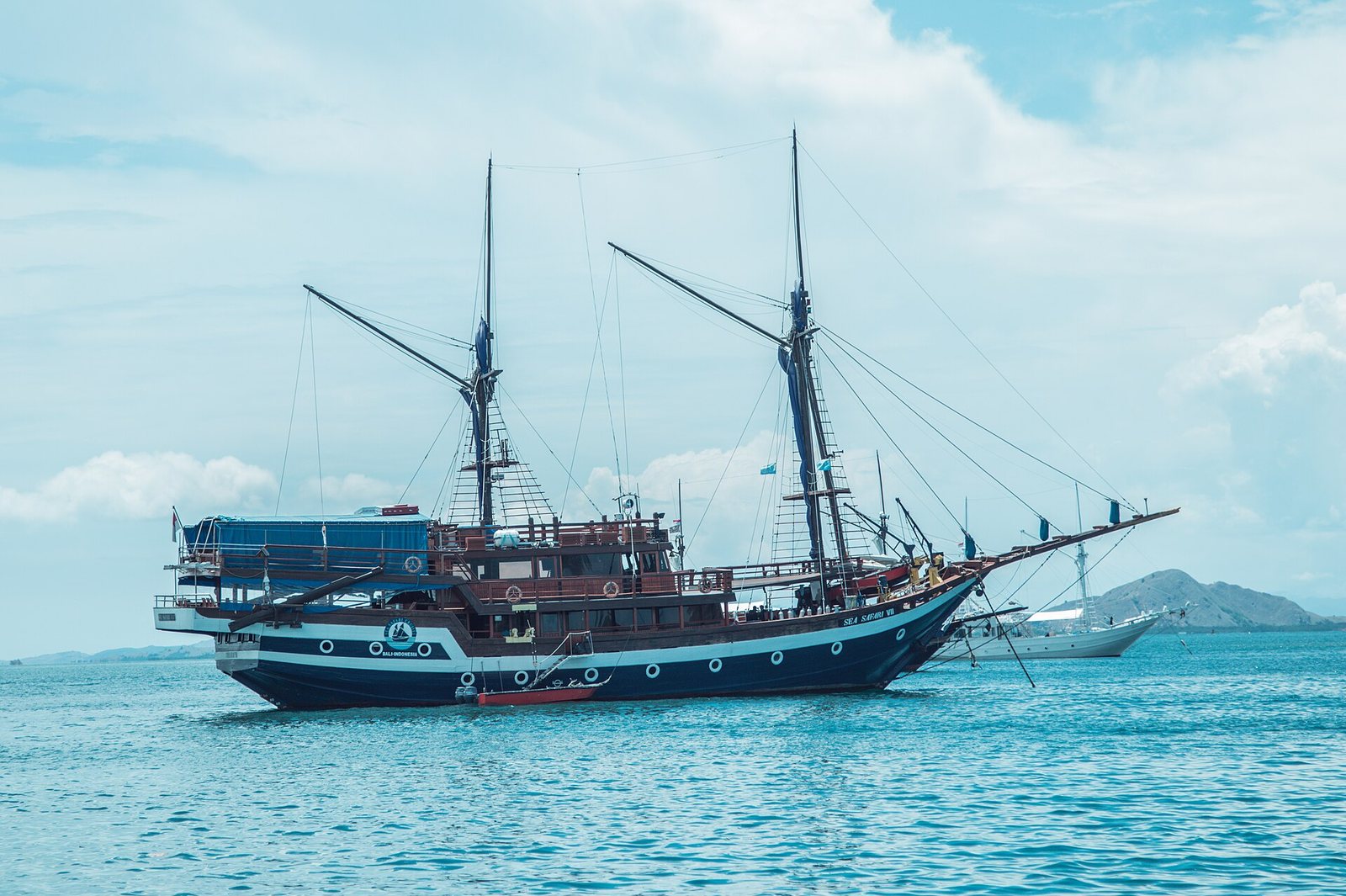
Addressing potential seasickness or comfort concerns on Flores boat trips often points travelers towards reputable operators. Komodo Luxury, for instance, offers curated Komodo boat tours and private charter services, utilising larger, more stable vessels with licensed crews. This approach often mitigates common anxieties more effectively than opting for the cheapest local boats, ensuring a more comfortable journey across the archipelago.
Edge Cases, Local Realities and Less-Obvious Comfort Questions
Once you have basic seasickness prevention sorted, the next layer of comfort on a Riung boat day is understanding how trips actually run from the harbour, what is flexible, and what is not. This section answers the specific, slightly awkward questions people usually ask only once they arrive in town, when it is harder to adjust plans.
If you are still building a broader Riung packing list, cross-check the boat-specific advice here with the more general clothing, cash and electronics notes in the main Riung 17 Islands packing guide. The way you pack and time your day affects both seasickness risk and how tiring the open-water sections feel.
Some of these details also matter if you are combining Riung with a Flores liveaboard elsewhere or continuing west towards Komodo. A small open day boat moves very differently from a multi-day liveaboard, which is why seasickness on a Riung boat day deserves its own, specific treatment.
How early do boat trips usually start from Riung harbor, and does timing affect seasickness?
Most standard day trips leave between 08.00 and 09.30, with skippers at the earlier end of that window in peak dry season. Morning departures matter because wind typically builds after lunch, which increases chop and roll. If you are prone to nausea, ask your guesthouse to arrange one of the earlier boats and plan medication timing around the agreed departure slot.
Is seasickness a big problem on boat trips in Riung 17 Islands Marine Park, or is it usually mild?
On calm-season days many passengers feel only mild queasiness, but seasickness can become a big problem for those already sensitive to buses or winding roads. The open wooden boats have limited shaded, low-motion spots and cannot always avoid side-on swell between islands. Treat it as a real risk: medicate in advance, choose a central seat, wear breathable clothing, and stay off your phone during crossings.
Can I swim to nearby small islets from the main boat in Riung, or is that unsafe?
At some snorkel stops the islet looks close enough to “just swim over”, but currents and boat traffic make casual crossings risky. Always ask your captain first; they know which channels funnel stronger flow. In most cases the boat will reposition closer to the beach if a landing is safe. Treat the boat as your base, not a stationary pontoon to abandon at will.
Are prices for boat trips in Riung negotiable, or are they usually fixed once quoted?
Prices are loosely standardised but not formal tariffs, so there is some room to negotiate, especially outside peak school holidays and for larger groups. Expect quoted rates for the whole boat, not per person. If you want a clearer sense of typical ranges before haggling on the pier, read the breakdown in the private tour cost guide and decide in advance what trade-off between comfort and price you are happy with.
Are night boat trips possible to see the stars in Riung, and would that increase seasickness risk?
Ad-hoc night trips are uncommon because most local operators finish by late afternoon, and navigation around low-lying reefs after dark carries more risk. If you do arrange an evening charter to watch stars or the Ontoloe bats at dusk, accept that you may face slightly rougher water and cooler air. Eat lightly, keep a jacket handy, and sit low and central as usual.
How does combining Riung with a Flores liveaboard change seasickness planning?
Many travellers underestimate how different a small day boat feels compared to a larger liveaboard around Komodo. If you know you struggled even on a stable vessel, double down on prevention in Riung: earlier medication, stricter horizon focus and more conservative food choices. For comparison on packing volume and comfort gear, see the separate Flores liveaboard packing guide before committing to multi-day offshore time.
How does an onward overland leg to the Aimere ferry relate to seasickness on boat days?
Planning an onward leg from Riung to the Aimere ferry often means stacking motion: a boat day, then several hours in a car or bus on winding roads. If you are sensitive, avoid scheduling your 17 Islands boat trip on the same day as a long road or ferry segment. Sleep well, hydrate, and keep the afternoon after boating free for rest in town before tackling more transport.
Does finding fuel in small villages near Riung affect how long you are out on the water?
Boats generally fuel up in Riung itself, but shortages do happen, especially late in the day or in shoulder season. Skippers may detour briefly or shorten itineraries if they are watching their jerrycans. This is one reason early departures are preferred. If you are self-driving and finding fuel in small villages near Riung is already tricky, assume boat operators face similar constraints and confirm trip length the evening before.
Seasickness planning is usually the point where people decide whether to keep their Riung day fully DIY or fold it into a wider crewed-boat or Komodo leg, especially if they realised on the water that they prefer more stable vessels. If you are in that camp, compare cabin layouts and stabilisation across the fleet overview, look at specific mid-size options like Komodo Prestige, or shift to a calmer, shorter-run speedboat charter instead.
Keep reading

Uncategorized 11 min
Riung 17 Islands: What Changed for 2027
What's changed for Riung travel planning, most recent update first: a magnitude 7.7 earthquake struck north Flores on 15 August…
Uncategorized 11 min
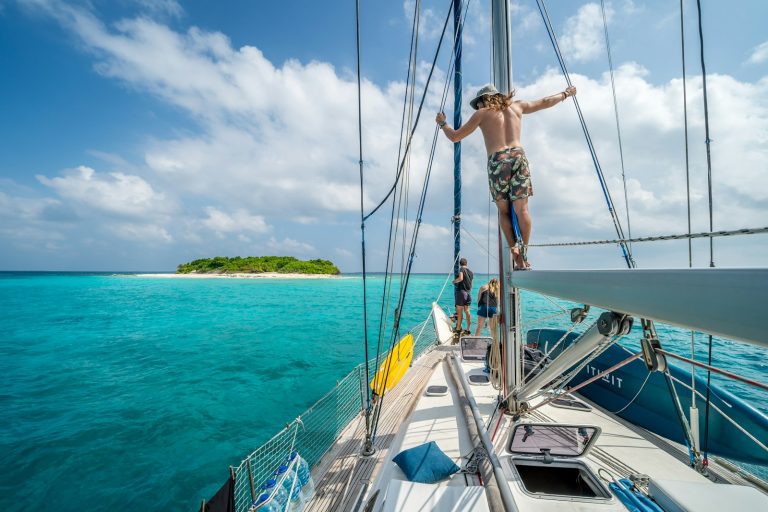
Riung 17 Islands Solo Travel: Joining a Shared Boat
Riung 17 Islands as a solo traveller: the most cost-effective route is joining an existing group's shared boat rather than…

Uncategorized 11 min
Can You Dive at Riung 17 Islands?
Can you dive at Riung 17 Islands? No - there is no PADI dive centre or scuba operation based in…