Riung Sailing Trip vs Komodo: Which Is Best for You?
Riung Flores Editorial Desk 15 min read
- Choose Komodo for: World-famous wildlife, epic viewpoints like Padar Island, and a well-developed luxury charter industry.
- Choose Riung for: Secluded bays, calm-water snorkeling, and an authentic, off-the-beaten-path Indonesian experience.
- Key Difference: Komodo is a high-traffic, bucket-list destination; Riung is a tranquil marine sanctuary for the discerning traveler.
A sailing trip out of Labuan Bajo and a boat trip out of Riung are two different products, not two versions of the same one. Komodo National Park has a statutory entrance tariff, a daily visitor cap and a charter market of hundreds of boats. Riung has a small marine nature park, a retribusi settled at the pier, and a handful of local wooden boats arranged in person. This page compares them on route, sea conditions, cost structure and what each one is actually good at.
The Komodo Experience: A World-Famous Spectacle
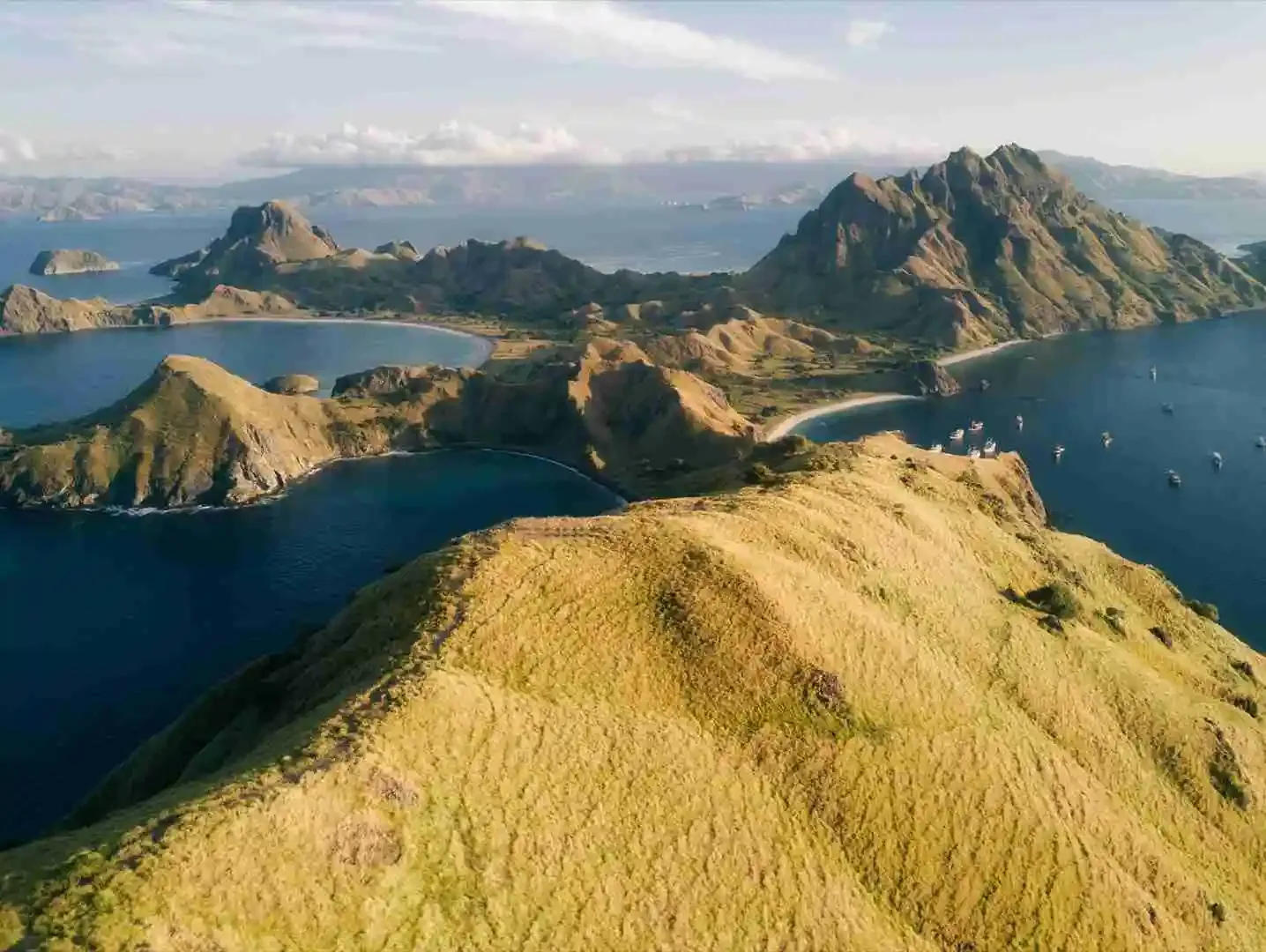
Let’s be clear: Komodo National Park is a global icon for a reason. It delivers. This is the A-list, red-carpet experience of Indonesian wildlife travel. Established in 1980 and designated a UNESCO World Heritage site in 1991, the park is a masterfully managed theater of natural drama. The headliners are, of course, the Komodo dragons (Varanus komodoensis), the world’s largest lizards, which can reach lengths of 3 meters. On guided treks across Rinca or Komodo islands, sightings are virtually guaranteed. Watching a 70-kilogram predator move with prehistoric deliberation is a moment that sears itself into your memory. But the dragons are just the opening act. The landscapes here are monumental and severe. The trek to the summit of Padar Island, particularly at sunrise, reveals a vista that has launched a thousand Instagram accounts: a tri-colored mix of beaches set between rugged, dragon-spine ridges. The park’s infrastructure, based out of the busy port town of Labuan Bajo, is extensive. You’ll find a spectrum of vessels, from simple shared boats to ultra-luxe private phinisis that are essentially floating five-star hotels. This accessibility, however, is a double-edged sword. In the peak season months of July and August, you will be sharing these moments. Komodo is a brilliant, powerful, and unforgettable performance, but you will be watching it with an audience.
The Riung Alternative: Flores’ Undiscovered Marine Sanctuary
If Komodo is the blockbuster production, Riung is the exquisite, limited-run arthouse film that connoisseurs rave about. Located on the northern coast of Flores, the 17 Islands Marine Park (Taman Wisata Alam Laut 17 Pulau Riung) is Komodo’s quiet, introspective cousin. The name itself is a touch of nationalistic poetry; it references Indonesia’s Independence Day on August 17th, though the park actually contains more than 20 small, coral-fringed islands. Getting here requires more effort—typically a scenic 2 to 3-hour drive from the highland town of Bajawa—and this overland journey acts as a natural filter, preserving the area’s tranquility. Once on the water, the difference is immediate. The sea is often calmer, the islands are low-lying with brilliant white-sand beaches, and the sense of solitude is profound. It is not uncommon to anchor for the day and not see another tourist boat. The primary activity here is exploring what lies just beneath the surface. The coral gardens are in a state of health and vibrancy that is becoming increasingly rare, offering some of the most rewarding snorkeling in Indonesia. For a deeper dive into what this region offers, the Riung Flores guide provides an essential overview. The experience is less about ticking off major sights and more about surrendering to the rhythm of the sea, finding a deserted beach for a private lunch, and feeling as if you’ve sailed to the edge of the map.
Wildlife Encounters: Prehistoric Power vs. Ethereal Spectacle
The wildlife narrative in each destination is starkly different. In Komodo, the terrestrial fauna commands the spotlight. Beyond the dragons, the islands are home to Timor deer, water buffalo, and a rich diversity of birdlife. Underwater, the story is about scale and power. The strong currents that surge through the Lintah Strait create nutrient-rich waters that attract the ocean’s giants. Manta Point is a legendary cleaning station for magnificent reef mantas, while world-class dive sites like Batu Bolong and Castle Rock are patrolled by whitetip reef sharks, giant trevallies, and massive schools of fish. The diving is challenging and immensely rewarding. According to the official Indonesia Travel portal, the park is located in the heart of the Coral Triangle, boasting some of the richest marine biodiversity on earth. A trip here is a quest for big, iconic sightings.
Riung, by contrast, offers a more subtle and, some might argue, more magical wildlife signature. The underwater world is a kaleidoscope of smaller reef fish, sea turtles, and intricate coral formations in placid, gin-clear water. But Riung’s must-see spectacle occurs precisely at sunset. As the sky turns to shades of apricot and rose, you anchor your boat off Pulau Ontoloe, Riung’s bat island. Then, it begins. A trickle of giant fruit bats—flying foxes—emerges from the mangroves, then a stream, then a torrent. Within minutes, the sky is filled with tens of thousands of these creatures, their leathery wings beating a soft percussion as they fly to the mainland of Flores to feed. It is a striking, almost surreal evening exodus that feels elemental and ancient — a nightly foraging flight rather than a migration; the colony roosts at Ontoloe year-round. This is Riung’s answer to the Komodo dragon: not a display of brute force, but a silent, beautiful, and utterly mesmerizing phenomenon.
Topography and Vibe: Volcanic Drama vs. Serene Seclusion
The very geology of these two archipelagos dictates their character. Komodo’s islands are the stuff of epics. They are volcanic, rugged, and almost intimidating in their raw beauty. The hills are covered in dry, golden savannah grasses for most of the year, giving the region a stark, almost African feel. The dramatic relief creates those world-famous viewpoints and hidden coves, and the famed Pink Beach (Pantai Merah) gets its hue from crushed red organ-pipe coral mixing with the white sand. The vibe is one of adventure and conquest; you are actively exploring a formidable, primeval landscape. It’s a place that demands your attention, with a new, dramatic vista around every headland. A custom Riung charter can navigate these waters, but the experience is defined by the grandeur of the land.
Riung’s topography is gentler, more intimate. The islands are smaller, flatter, and ringed by mangroves and impossibly white beaches that slope gently into the calm sea. The beauty here is not about panoramic overlooks but about the perfect curve of a bay, the clarity of the water over a shallow reef, and the feeling of warm sand between your toes on an island you have all to yourself. The vibe is one of complete disconnection and restoration. It’s less about hiking to a viewpoint and more about floating effortlessly, mask and snorkel on, in a silent, vibrant world. The difference travellers describe most often is one of scale against quiet: Komodo delivers a headline landscape with company on it, while Riung delivers shallow, calm water and, on most days, nobody else in the bay. Which of those is worth more depends entirely on the trip you are trying to take. The boat and charter breakdown sets out what each option costs. This guide does not operate boats. Bookings are fulfilled by Komodo Luxury, and this site may earn a referral commission.
Logistics, Crowds, and Costs: The Practical Decision
Practicalities often steer the final decision. Komodo is undeniably easier to access. Labuan Bajo’s Komodo Airport (LBJ) is a well-serviced hub with multiple daily flights from Bali and Jakarta. The town itself is a busy tourism center with a vast array of hotels, restaurants, and over 100 registered tour boat operators. That competition creates a wide price range, from shared open trips at the budget end to whole-boat charters on the best-known phinisi at the top; both are quoted by the operators themselves rather than estimated here. The trade-off for this convenience is the crowd. You will queue for photos on Padar and share snorkeling sites with other groups.
Riung is the antithesis. The journey is part of the experience. There is no airport. You must travel overland, typically from Bajawa or Ende, through the spectacular volcanic highlands of central Flores. This barrier to entry is precisely what preserves its charm. The town of Riung is a sleepy fishing village with a handful of guesthouses and a pier where boats are arranged in person, one captain at a time. The vessels are simpler—local, sturdy wooden boats perfect for day trips or a simple one-night liveaboard. Consequently, the cost is generally lower. For travelers wanting to understand the investment, understanding the complete budget breakdown is crucial. A private, multi-day charter in Riung offers an exceptional value proposition for those prioritizing exclusivity over high-end amenities. It’s a destination that rewards effort with unparalleled serenity.
Quick FAQ: Riung Sailing Trip vs. Komodo
Which is better for families with young children?
For families, Riung is often the superior choice. The waters are significantly calmer, the boat journeys between islands are shorter (often just 15-20 minutes), and the beaches are more accessible for play. The absence of large, potentially intimidating wildlife like Komodo dragons also provides greater peace of mind for parents, allowing for a more relaxed and carefree marine holiday.
Where should a serious scuba diver go?
Komodo, without a doubt. The powerful currents create nutrient-rich upwellings that support a staggering density of marine life and attract large pelagics. It is a globally recognized, top-tier diving destination with challenging sites for experienced divers. While Riung offers pleasant and easy diving, it cannot compete with the sheer adrenaline and biodiversity of Komodo’s legendary dive spots.
How much time do I realistically need for each trip?
To do Komodo justice and see the main highlights (Rinca, Padar, Komodo Island, Manta Point) without feeling rushed, a 3-day, 2-night sailing trip is the absolute minimum. For Riung, the 17 Islands can be explored on a comprehensive full-day trip, but a 2-day, 1-night trip is highly recommended. This allows you to watch the colony lift off the Ontoloe mangroves at dusk and wake up in a tranquil, deserted bay.
Is it possible to combine both destinations in a single trip?
Yes, and for the intrepid traveler with time, this is the ultimate Flores expedition. It requires a minimum of 10 to 14 days and involves a fascinating multi-day overland journey across the Flores mainland between Labuan Bajo and Riung. This “cross-Flores” itinerary allows you to experience not only the two distinct marine environments but also the rich inland culture, from the spiderweb rice fields near Ruteng to the volcanic crater lakes of Kelimutu.
Ultimately, the choice between a Riung sailing trip and a Komodo expedition is a reflection of your travel philosophy. Are you seeking the monumental, the iconic, the story you will tell for years to come? That is Komodo. Or are you pursuing the quiet, the authentic, the feeling of having found a corner of the world that is still truly wild and untouched? That is Riung. One is a destination; the other is a secret. The most valuable thing either destination offers is that sense of discovery, and Riung still has more of it. To plan a route through these waters, start with the 3-day Riung itinerary or the combined Riung and Komodo routing.
For travelers deciding between a sailing trip in Riung or Komodo, the next logical step is to see concrete itineraries. An operator like Komodo Luxury can illustrate the contrast: their standard Komodo liveaboard trips and excursions from Labuan Bajo represent the popular western route, while a custom charter boat experience can be arranged for Riung. Comparing their proposals directly is advisable.
If a multi-day liveaboard through the national park itself is what you’re weighing against a Riung day trip, this liveaboard-specific breakdown (a sister publication in the same independent-guide network as this site) is a useful reference.
How to Choose and Arrange Your Riung or Komodo Sailing Plan
Once you know the mood you prefer, the next step is practical: what kind of boat, which route, and how much structure you want. Riung is informal and negotiated on the pier, while Komodo is scheduled, regulated and bookable months ahead. Thinking through group size, comfort level, and how far you want to roam will stop this decision becoming overwhelming.
For Riung, you normally charter the whole boat for the day, though there are ways to share costs. Komodo offers everything from backpacker day-boats to high-end liveaboards with chefs and dive guides. Comparing a modest trip sailing Riung 17 islands with a multi-day Komodo liveaboard is less about price and more about how intensely you want to focus on the sea.
If you are still weighing the whole Flores sailing trip Riung vs Labuan Bajo question, it helps to sketch both on a calendar first, then layer in energy levels, wind season and budget. A detailed, costed outline like what a Riung 17 Islands trip really costs makes it easier to see how a quiet Riung day balances a busier Komodo leg.
How do I actually book a private sailing trip Riung, and when should I lock it in?
A private sailing trip Riung is usually arranged one of three ways: through your Riung guesthouse, via WhatsApp with a local captain passed on by your host, or by walking the harbour the afternoon before. In dry season, secure a boat at least a day ahead. Off-season, same-day is often fine, but confirm fuel, lunch, snorkel gear and the small park retribusi in writing.
Is there an open trip sailing Riung option if I am travelling solo?
There is no centralised open trip sailing Riung system, but guesthouses sometimes match solo travellers or small pairs to share a day-boat and split costs. Ask on arrival, check the waterfront around sunset, and consider flexible dates. For more structured cost-sharing, see our guide to arranging an open trip on Riung’s 17 Islands with other budget-conscious travellers.
Can I do a Riung sailing trip from Labuan Bajo, or is that unrealistic?
A Riung sailing trip from Labuan Bajo in a single day is not realistic by road; it is roughly 11–13 hours’ drive each way via Ruteng and Bajawa. You either add Riung as a separate overland segment, or arrange a Labuan Bajo private sailing trip to Riung as part of a longer yacht repositioning, which is expensive and usually only feasible on higher-end private charters crossing Flores.
What are my choices for a Riung 17 islands private sailing trip versus a Komodo liveaboard?
A Riung 17 islands private sailing trip is typically a simple wooden boat with shade, cool box and basic toilet, chartered for 6–8 hours of island-hopping and snorkeling. Komodo liveaboards, by contrast, sleep you onboard for several nights with cabins, crew and set routes. If you want a mid-point, some yachts that feature in our overview of the best luxury liveaboards for Riung can combine both regions on a longer itinerary.
Is Riung really a Komodo alternative Flores, or should I plan for both?
Riung is best viewed as a complementary Komodo alternative Flores rather than a substitute. Riung wildlife sanctuary strengths are quiet reefs, flying-fox colonies and calm bays, while Komodo delivers dragons, famous viewpoints, and structured diving. If you are tight on time, choose one. With 10–14 days, many travellers now plan a Riung boat trip Komodo alternative plus a shorter, more focused Komodo day or overnight.
What sort of traveller suits a Riung wellness sailing charter compared with a dragon-focused Komodo cruise?
A Riung wellness sailing charter suits slow travellers prioritising gentle swims, simple food, sunrise yoga on deck and quiet anchorages. Noise and boat traffic are far lower than around Komodo’s core bays. If you want more structured spa-level comfort, opt for a wellness-focused Komodo yacht and treat Riung as a quieter, more elemental Indonesia island sanctuary at the start or end of a longer Flores route.
Does Riung feel like a true Riung island sanctuary if I am concerned about power, cash and basic comfort?
Riung feels remote, but it is not off the map. Guesthouses are simple, with fans and cold showers. Power cuts do occur; if you are wondering whether Riung has power cuts and how often they happen, expect occasional outages of one to several hours, particularly in wet season. Bring a power bank, headlamp and enough rupiah, as there is no reliable ATM culture in town.
How should I divide days between Komodo and Riung if I only have a week?
With seven days, many travellers now choose three on a Komodo-focused base in Labuan Bajo and three around Riung, with one travel day between. Use Bajawa as the overland bridge. For Labuan Bajo specifics, our breakdown of 1 to 4 day Komodo trips from Labuan Bajo helps you decide whether you need a full liveaboard or a shorter national-park visit paired with Riung.
On a page like this, deciding between Komodo and Riung often starts independently, then shifts once you realise you want crewed comfort, a set itinerary, or to fold both regions into one voyage. If that is where you are now, a focused Komodo sailing trip, a longer-range luxury cruise across Indonesia, or a slower wellness yacht charter can carry you from dragons and peaks to the quiet 17 Islands without losing the thread of your journey.
Keep reading
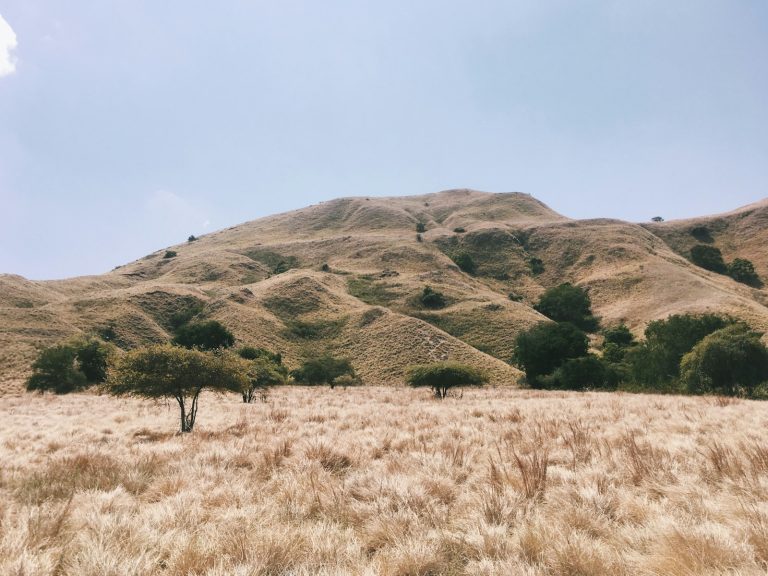
Uncategorized 11 min
Riung 17 Islands: What Changed for 2027
What's changed for Riung travel planning, most recent update first: a magnitude 7.7 earthquake struck north Flores on 15 August…
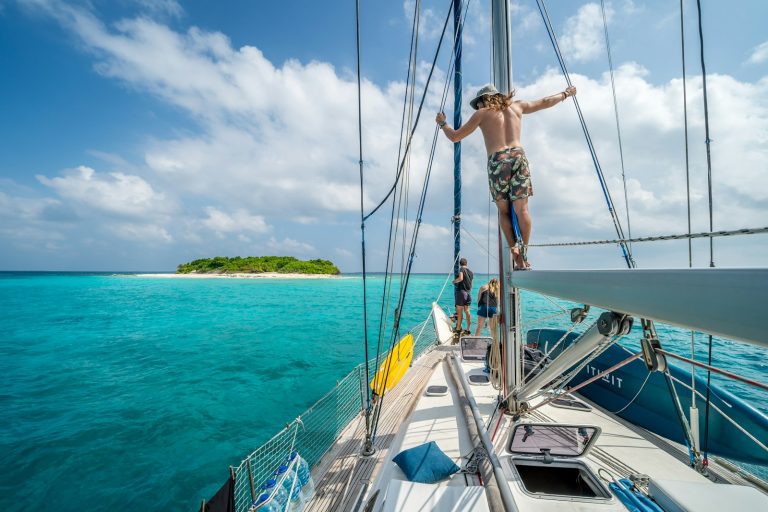
Uncategorized 11 min
Riung 17 Islands Solo Travel: Joining a Shared Boat
Riung 17 Islands as a solo traveller: the most cost-effective route is joining an existing group's shared boat rather than…
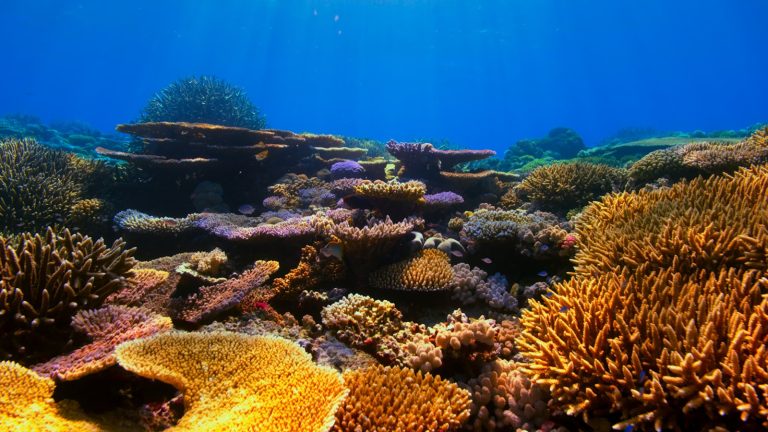
Uncategorized 11 min
Can You Dive at Riung 17 Islands?
Can you dive at Riung 17 Islands? No - there is no PADI dive centre or scuba operation based in…