The Perfect 3-Day Luxury Riung Boat Trip Itinerary
Riung Flores Editorial Desk 16 min read
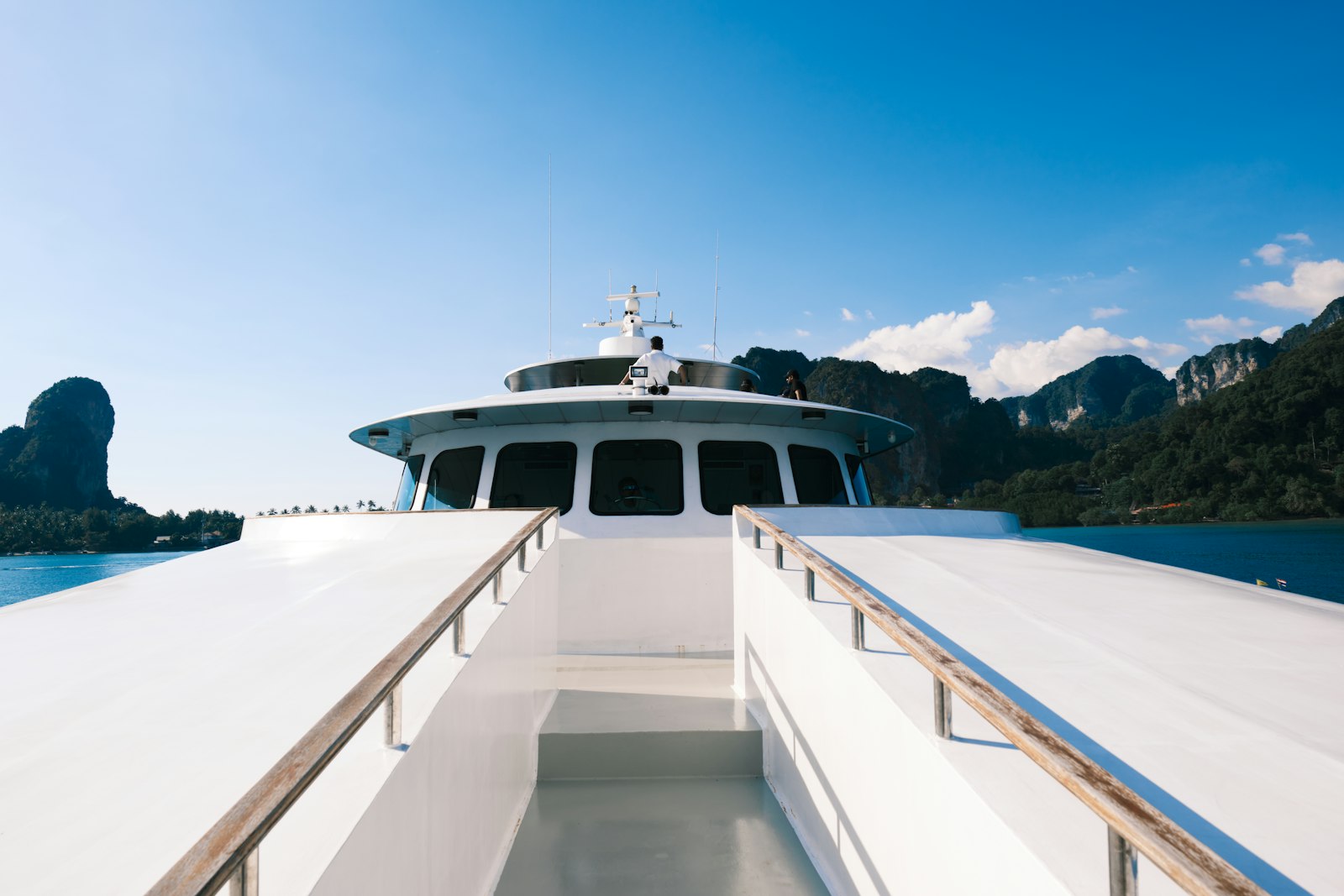
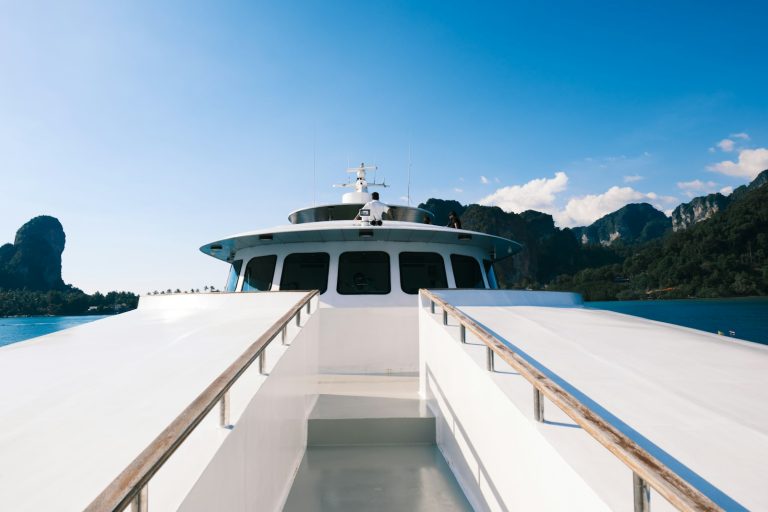
- Private Vessel: Your group has exclusive use of a high-end boat with a professional crew.
- Curated Itinerary: Routes are tailored to your interests, from diving to tranquil beach setups.
- Gourmet Dining: A private chef prepares multi-course meals using fresh, local ingredients.
Three days on the water at Riung is enough to see the marine park properly rather than skim it: one full island-hopping day, one slower day, and the dusk trip to the Ontoloe flying-fox colony, which is a separate outing from the day boat and departs in the afternoon. This itinerary sets out how those days fit together, what each leg realistically costs, and where the choices are. This guide does not operate boats. Bookings are fulfilled by Komodo Luxury, and this site may earn a referral commission.
Charting Your Course: Selecting the Right Vessel for Riung
The vessel is the centerpiece of any multi-day sea voyage, and in Riung, the choice dictates the entire character of your experience. While the harbor has its share of basic, functional boats for day-trippers, a luxury charter operates in a different league entirely. The gold standard is a traditional Phinisi, a two-masted Indonesian sailing ship handcrafted by the Konjo boat-builders of South Sulawesi. These vessels, often ranging from 25 to 40 meters, are marvels of maritime heritage, combining classic design with modern comforts. A representative boat at this level is a 30-metre phinisi with three air-conditioned cabins, each with an en-suite bathroom and hot water — still a rarity in these waters. The alternative is a modern fiberglass yacht, which may offer more speed and contemporary amenities, but perhaps lacks the romantic soul of a wooden schooner.
Experienced charter brokers make the same point repeatedly: the key is not just the boat, but the crew. A luxury charter should have a crew-to-guest ratio of at least 1:1. This includes not only the captain and deckhands but a dedicated cruise director and a private chef; on boats that continue west to Komodo, a divemaster as well. This level of staffing ensures seamless service, from anticipating your need for a fresh towel after a snorkel to preparing a five-course dinner under the stars. When considering your options, inquire about the vessel’s age, its last refit date, and the specific qualifications of the crew. A three-day private charter can vary significantly in price, and understanding the nuances of what to budget for a Riung Flores trip is essential. Crewed multi-night charters are quoted per boat per night by the operator rather than estimated here; read the published phinisi charter rates for the vessel you are considering, and use the Riung day-boat figures on this site for the marine-park day itself.
Day 1: Departure, Coral Gardens, and the Spectacle of Pulau Ontoloe
Your journey begins around 09.00, departing from the main pier in Riung. The first leg is a short, 45-minute cruise east to the Tiga Islands (Pulau Tiga). While many day boats stop here, your captain knows the quieter, more pristine spots. Charter captains typically anchor off the western reef, away from the moorings the day-boat fleet uses. The moment you dip below the surface, the world transforms. The coral gardens here are exceptionally healthy, a direct result of the park’s protected status since 1996. Fields of electric-blue staghorn coral give way to massive porites brain corals, teeming with damselfish and parrotfish. Dry-season visibility here is commonly reported at 10–20 metres, often enough to pick out a green sea turtle grazing on the seabed below. After roughly two hours in the water, the boat becomes the lunch table: grilled red snapper bought that morning from a local fisherman, served with a fiery sambal matah and fragrant jasmine rice.
As the afternoon sun begins to dip, the boat repositions for the day’s main event: Pulau Ontoloe, the mangrove island Riung crews simply call the bat island. The reason for that nickname becomes dramatically clear at dusk. Your crew will anchor in a calm channel nearby, serving cocktails and canapés on the main deck. Then, precisely as the sky ignites with shades of orange and violet, the spectacle begins. A few giant fruit bats, or flying foxes, emerge from the dense mangrove forest, then a few dozen, then hundreds, then thousands. The exodus lasts for nearly 30 minutes, a river of dark wings against the twilight sky as they head to the mainland to feed. It’s a primal, unforgettable sight, one of the great natural wonders detailed by Indonesia’s official tourism board. The night is normally spent anchored in the quiet bay, where the only sounds are the gentle lapping of the waves and the distant rustle of the mangrove.
Day 2: Pristine Sands, Komodo’s Cousins, and Deeper Dives
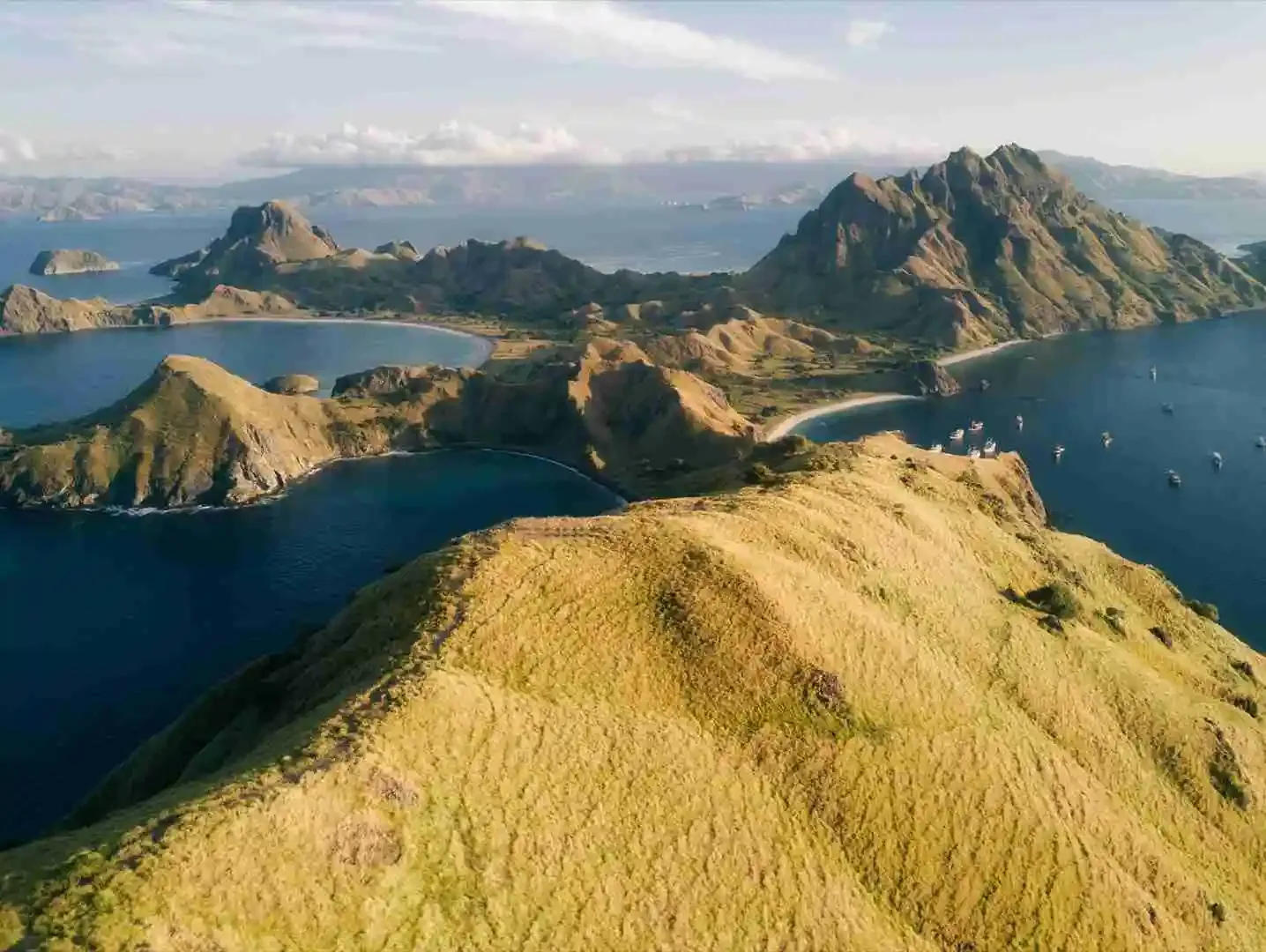
Waking up at sea is a singular pleasure. Your second day starts with fresh Flores coffee on deck as the crew navigates towards Rutong Island, arguably the most picturesque of the 17 Islands. Its defining feature is a pair of hills rising from a spit of brilliant white sand, fringed by turquoise water. By 08.30, before any other boats arrive, a well-run crew will have set up a private beach camp: shade umbrellas, comfortable loungers, and a full breakfast service right on the sand. Mornings here are built for paddleboarding around the island’s calm perimeter, the water so clear you can see the coral formations 10 metres below. A short, 15-minute hike to the top of the main hill offers a panoramic vista of the entire archipelago, a view that solidifies your sense of splendid isolation.
The afternoon is dedicated to wildlife and underwater exploration. From there the boat runs to nearby Ontoloe Island, the largest in the park. A small Komodo dragon population is documented here through BBKSDA NTT and Komodo Survival Program camera-trap work, but Riung runs no dragon-trekking product the way Komodo National Park does, and what visitors more usually see are monitors sunning on the rocks. An experienced local naturalist will know the tidal conditions that bring the lizards nearer the shoreline, which makes for better and safer viewing from the tender. Sightings are never guaranteed, and no charter should promise them. Certified divers should be clear about where the scuba element actually sits. There is no PADI dive centre or scuba operation based in Riung itself, so tanks, compressors and dive guiding belong to the Komodo leg out of Labuan Bajo, not to this stretch of coast. In Riung the afternoon is a snorkelling session instead, usually on a deeper drop-off where the soft corals and sea fans thicken and schools of fusiliers hold in the current. For those new to the area, our comprehensive guide to the Riung Flores region provides a great overview of the biodiversity you can expect.
Day 3: Sunrise Hikes, Cultural Encounters, and the Return Journey
The final day begins before dawn. A 05.00 wake-up call is rewarded with a short tender ride to a small, uninhabited island with an eastern-facing viewpoint. Watching the sunrise from here, with the silhouettes of the volcanic Flores mainland in the distance, is a meditative experience. The crew meets you on the beach with hot coffee and pastries as the world awakens. After that quiet start, the morning usually turns back towards the mainland. On a boat-based itinerary the realistic cultural stop is Riung town itself: the harbour front, the fish landing, and the coastal community that lives from these waters every day. Treat any village visit sold as a fixed line on a printed schedule with caution. Genuine encounters are arranged person to person and on the community’s terms, which is precisely why no charter can guarantee one in advance.
There is time for one last immersion in the water. The last stop is usually a shallow, sheltered reef chosen on the day for conditions rather than for its name: a final, leisurely snorkel before the boat turns for home. The final meal onboard is usually a celebratory affair: a seafood barbecue featuring lobster and squid, accompanied by a crisp white wine. The two-hour journey back to Riung harbor is a time for reflection, spent lounging on the sundeck as the islands recede. Boats are normally tied up at the Riung pier by mid-afternoon, in the usual 15.00-16.00 window, which leaves time to shower and repack before an onward transfer. To organize the logistics of a trip like this, from flights into Ende to the private car transfer, it’s wise to plan your Riung Flores adventure meticulously well in advance.
Beyond the Itinerary: The Onboard Luxury Experience
A truly luxurious boat trip is defined by the details that transcend the written itinerary. It’s the crew remembering you prefer your coffee black and having it ready as you wake. It’s a chef who writes a different menu for every meal and works around a gluten intolerance without making it a project. On the better boats, that can stretch to a multi-course tasting dinner produced entirely from a compact galley kitchen. The amenities, too, make a difference. A phinisi at this level is typically equipped with kayaks, two or more stand-up paddleboards, and well-maintained snorkelling gear; some carry an underwater camera or drone as well. Cabins are serviced twice daily, and good cotton linen is a genuine comfort after a day in sun and salt.
This level of service creates an environment of effortless comfort, allowing you to fully engage with your surroundings. The biodiversity here in the Lesser Sunda Islands is part of the Coral Triangle, an area with the highest diversity of marine species on Earth. While not as famous as its neighbor, Komodo National Park—a designated UNESCO World Heritage site—Riung offers a similar, if more intimate, ecological richness without the crowds. The true luxury of a private charter is the freedom it provides: the freedom to linger at a favorite snorkeling spot, to change course to follow a pod of dolphins, or to simply do nothing at all, anchored in a perfect, private bay. It’s a bespoke world built just for you, for three remarkable days.
Quick FAQ for Your Riung Voyage
What is the best time of year for a 3-day luxury Riung boat trip? The prime window is during the dry season, from April to November. This period offers the calmest seas, sunniest days, and best underwater visibility. July and August are peak months, so top-tier vessels are usually booked six to nine months ahead for those dates.
How do I get to Riung? The gateway to Riung is H. Hasan Aroeboesman Airport in Ende (ENE), which receives daily flights from Bali (DPS). From Ende, it is a scenic but winding 3.5-to-5-hour drive to the Riung harbour. Your charter operator will arrange a comfortable, air-conditioned private car for this transfer, which is reported at around IDR 800,000 to IDR 1,000,000 each way. That is a traveller-reported range for a private car, not a published tariff; confirm it with the driver or your guesthouse before you commit.
Is diving experience required? Absolutely not. Riung’s reefs are incredibly rewarding for snorkelers, with many of the most vibrant coral gardens located in depths of less than 5 meters. Certified divers should note that Riung has no PADI dive centre or scuba operation of its own. If diving matters to you, arrange it on the Komodo leg from Labuan Bajo, where the operators, compressors and PADI-certified divemasters actually are, and treat Riung as a snorkelling stop.
What should I pack for a liveaboard trip? Less is more. Focus on lightweight, breathable clothing like linen shirts and shorts. Essentials include high-SPF, reef-safe sunscreen, polarized sunglasses, a wide-brimmed hat, multiple swimsuits, and a light sweater or windbreaker for the evenings, as it can get breezy on the water. The boat will provide towels, quality toiletries, and snorkelling equipment.
A journey through the 17 Islands Marine Park is an immersion into one of Indonesia’s last bastions of pristine marine wilderness. To experience it aboard a private vessel is to pair raw, untamed nature with the highest levels of comfort and personalized service. This is not just a holiday; it’s a meticulously crafted expedition that creates space for both adventure and repose. To begin designing your own unforgettable voyage through these remarkable islands, start with the route notes, seasonal windows and cost breakdowns published across Riung Flores. This is an independent editorial desk rather than a boat operator, so the value here is in the expectations it sets: enough detail to brief a charter company accurately and to recognise a weak proposal when you read one.
After planning a 3-day Riung itinerary, the appeal of a longer, fully-crewed voyage becomes clear. For those extending a Flores trip west, it’s useful to compare your plan against what established operators offer. A professionally managed Komodo liveaboard handles all logistics, while their luxury phinisi charters set the standard. Reviewing the Komodo Prestige’s multi-night routes can inform your expectations for a seamless trip.
Practical Planning for a Private 3-Day Riung Charter
Designing a 3-day luxury Riung boat trip is less about ticking off sights and more about sequencing tide, light, and comfort. A good operator will ask about your priorities before proposing a route: more snorkelling and photography, or more shore time and village visits. Treat the sample itinerary as a framework, then fine-tune it to your group’s pace, fitness, and appetite for early starts.
If you have extra days around your cruise, it is worth aligning your overland routing so you are not rushing in and out of town. You can fold a 3-day charter into a longer Flores journey using ideas from the 10-14 day Flores itinerary including Riung and Komodo, or keep things compact with a short Riung-focused loop.
Independent travellers often compare a private yacht to simpler options before committing. To understand what you gain by upgrading from a local wooden day boat to a crewed liveaboard, read the breakdown in the Riung 17 Islands day trip guide and the inland-focused 3-day Riung, village and Kelimutu itinerary, then decide how many nights you truly want at sea.
Can I customise the itinerary of my boat trip in Riung, or is it fixed?
Most luxury charters treat the route as a starting suggestion rather than a rigid schedule, so the answer on whether you can customise the itinerary of your boat trip in Riung is usually yes. You can emphasise certain islands, add a village visit, or shift timings for sunrise and sunset. Weather, swell and park regulations still set some limits, but within those your cruise director can usually adjust daily.
Can I do a sunrise or sunset boat trip in Riung, or are trips usually only during the day?
Standard day tours depart mid-morning and return before dark, which is why many people ask whether a sunrise or sunset boat trip is possible in Riung, or whether trips only run during daylight. A private luxury charter is more flexible. You can plan a sunrise boat trip Riung departure from harbour, pre-dawn repositioning to a viewpoint hill, or linger off Ontoloe to watch the bats lift in the last light.
How is the return time to Riung harbour coordinated on the last day?
The captain will back-time the final snorkel or island stop based on your overland plans, then organise coordination boat return time to Riung harbor accordingly. For onward buses and private cars they usually plan to be tied up at the jetty by mid-afternoon, allowing for showers and packing. If your road transfer is flexible, you can stay out longer and glide in closer to sunset.
Is there a toilet on the typical Riung day trip boat, and how does that compare to a luxury charter?
Many visitors want to know whether there is a toilet on a typical Riung day-trip boat, because basic day boats sometimes only have a simple squat toilet, and in rare cases none at all. A genuine luxury liveaboard is different: you should expect proper flushing toilets and hot-water showers in all cabins, plus an additional shared bathroom near the main deck or dining area.
Can children or older travellers enjoy this 3-day Riung boat itinerary safely?
Children and older travellers can enjoy the route if the boat has safe railings, shaded deck space, and a patient crew. Ask for flexible snorkelling times, shorter swims with the dinghy following, and fewer ladder climbs each day. A private charter lets you break up crossings with calm bays for naps or reading, and staff can help less mobile guests in and out of the water.
Will I definitely see large lizards like at Mbou or Komodo during this trip?
Wildlife is never guaranteed. The often-mentioned mbou monitor lizard Riung sightings relate to local reports of large monitors on certain islets, not to the managed Komodo National Park experience. You may see small to medium monitors along shorelines, but you should not book a Riung charter expecting a sure Komodo dragon encounter. Focus instead on bats, sea eagles, turtles and reef life.
How should I handle cash, park fees and tipping on a luxury Riung cruise?
Bring enough rupiah for park entry, village donations, and gratuities, as there is no dependable ATM culture in Riung. The park retribusi is minor compared to your charter fee and is often folded into your package, but confirm this. For tipping, many groups pool cash and hand it to the cruise director to distribute fairly among the captain, deck crew, chef and guides.
For a page built around a 3-day luxury Riung boat trip itinerary, the moment to stop planning on paper is when you know you want a fully crewed yacht, not a local day boat. If you are pairing Riung with a Komodo leg, compare cabin layouts and service levels across the fleet overview, look at a sample 3D2N Komodo route, or discuss a slower wellness-focused charter that still fits your Flores schedule.
Keep reading
Uncategorized 11 min
Riung 17 Islands: What Changed for 2027
What's changed for Riung travel planning, most recent update first: a magnitude 7.7 earthquake struck north Flores on 15 August…
Uncategorized 11 min
Riung 17 Islands Solo Travel: Joining a Shared Boat
Riung 17 Islands as a solo traveller: the most cost-effective route is joining an existing group's shared boat rather than…
Uncategorized 11 min
Can You Dive at Riung 17 Islands?
Can you dive at Riung 17 Islands? No - there is no PADI dive centre or scuba operation based in…