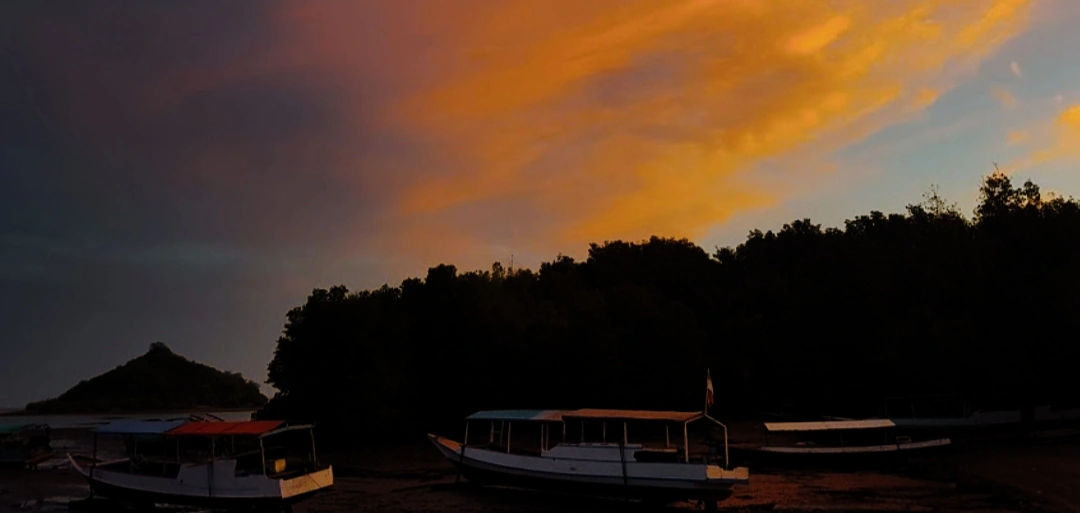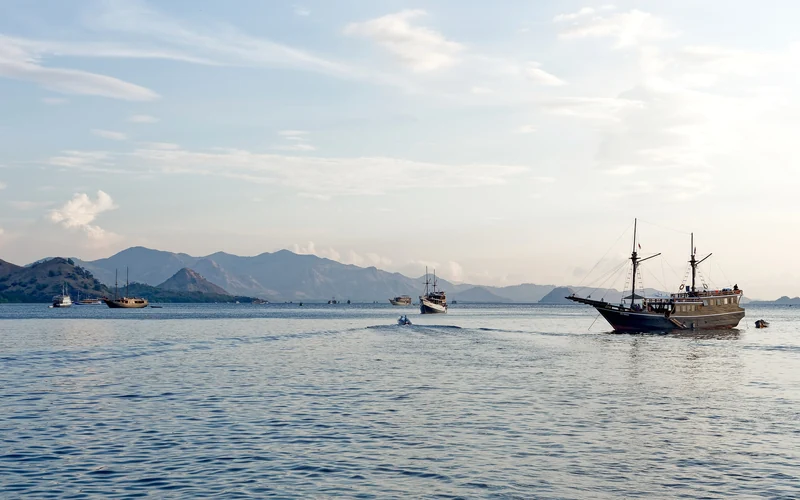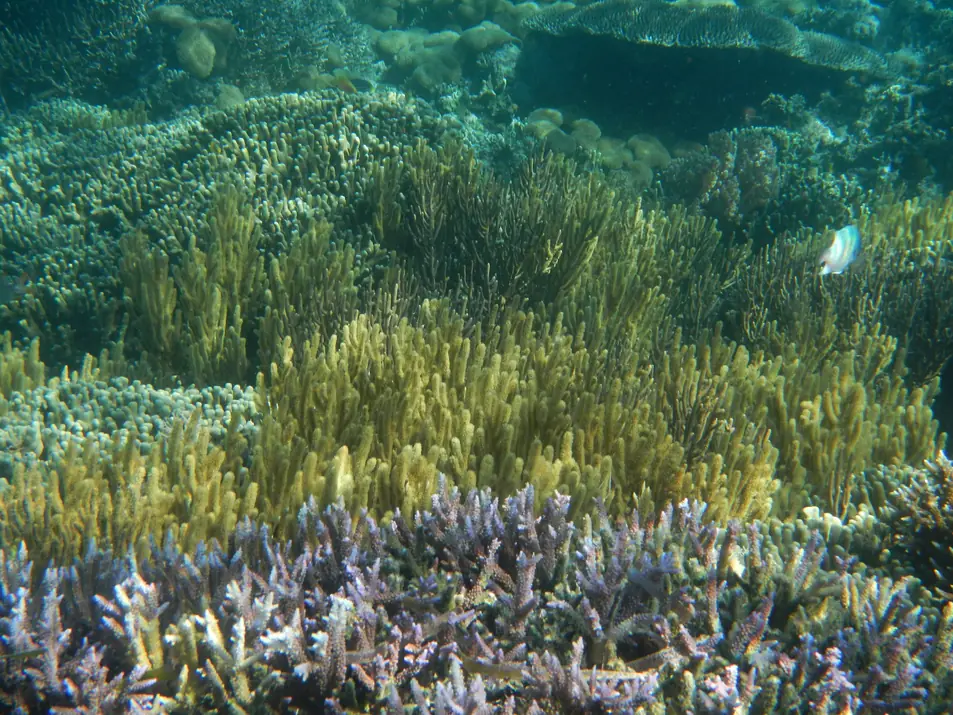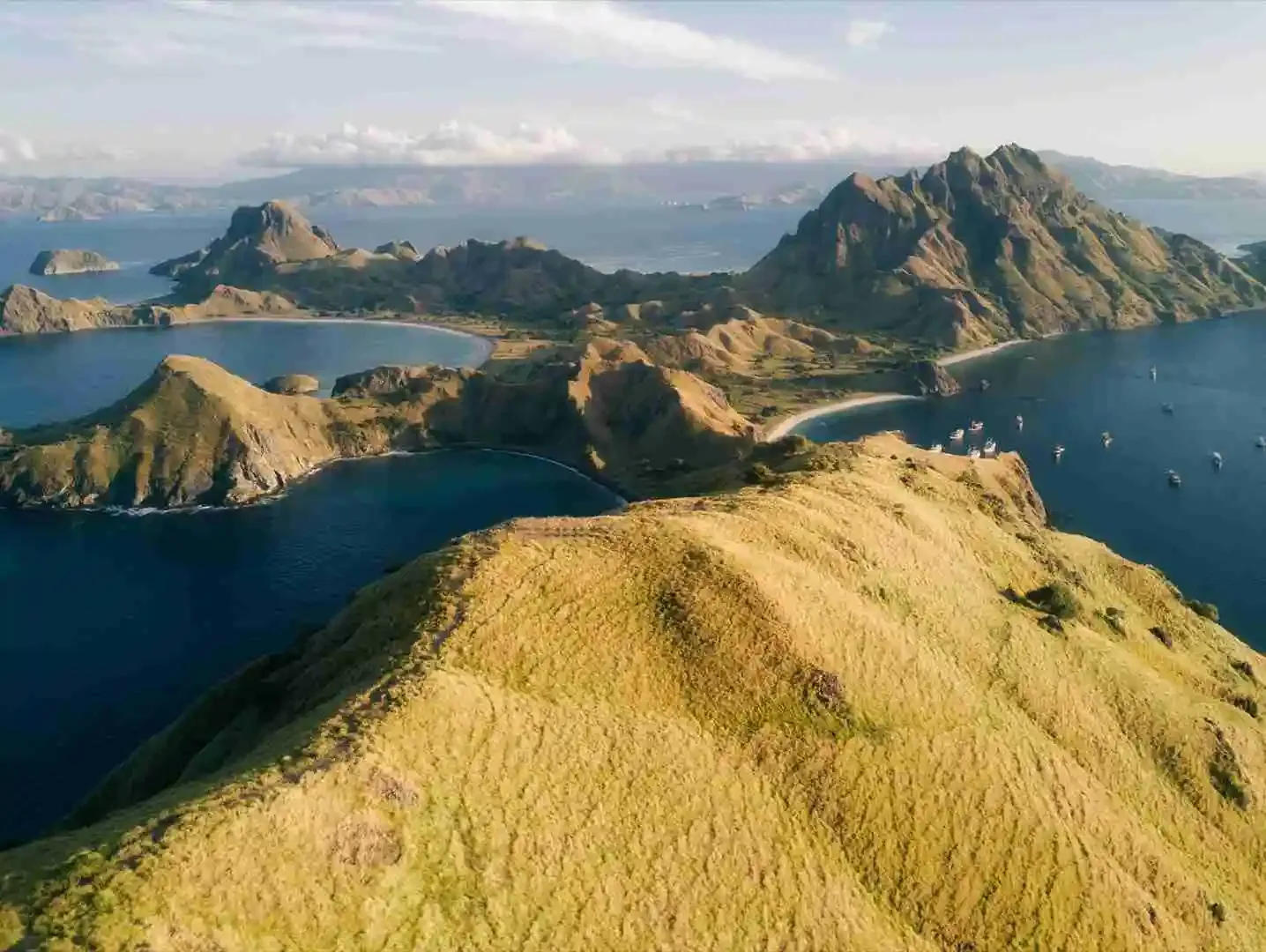
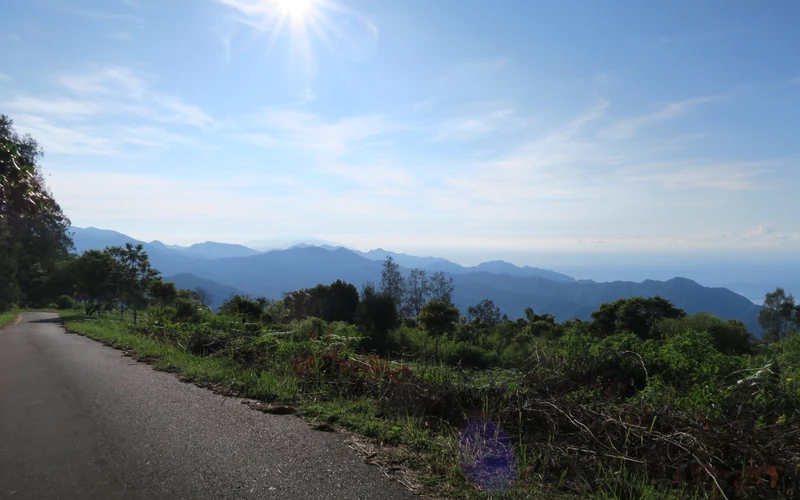
The rhythmic lapping of waves against a distant shore, the scent of salt and sun-baked earth, and the distinct call of tropical birds define the atmosphere of Riung, a coastal town on Flores Island. This independent editorial guide details the financial considerations for exploring Riung and its adjacent 17 Islands Marine Park, a crucial destination for snorkellers and island-hoppers traversing Flores. Understanding the costs associated with travel, accommodation, and activities allows for informed planning within the Ngada Regency.
Accessing Riung: Transportation Costs from Flores Overland Routes
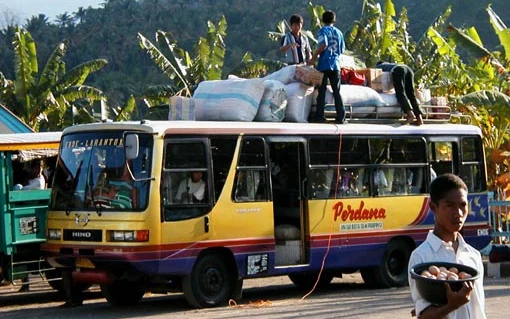
Reaching Riung, situated on the north coast of Flores Island in East Nusa Tenggara Province, Indonesia, involves specific overland travel costs. Travellers often approach Riung from either Ende or Bajawa, key hubs on the Flores overland route. From Ende, local public buses to Riung typically require approximately 7 hours of travel. The initial segment from Moni to Ende costs about 30,000 Indonesian rupiah, with an additional onward bus fare to Riung. This multi-stage journey necessitates careful timing. Alternatively, the public bus journey from Bajawa to Riung is a more direct route, taking approximately 3.5 to 6 hours. This shorter duration often appeals to those prioritizing efficiency. The cost for this segment is around 50,000 Indonesian rupiah per passenger. Private car charters offer greater flexibility and speed, though at a significantly higher price point, often starting from 700,000 Indonesian rupiah for a one-way trip from Bajawa. These prices can fluctuate based on fuel costs and driver availability, particularly during peak travel months like July and August. The road conditions, particularly in the mountainous sections approaching Riung, can influence travel times. Bajawa, a central town in the Ngada Regency, provides a common starting point for excursions towards the coast, offering various transport options.
Accommodation Tiers and Associated Expenses in Riung
Accommodation options in Riung cater to a range of budgets, from basic guesthouses to more established lodges. A standard fan-cooled room in a local guesthouse typically costs between 150,000 and 250,000 Indonesian rupiah per night. These establishments often include a simple breakfast. For travellers seeking air-conditioning and slightly more amenities, prices can range from 300,000 to 500,000 Indonesian rupiah per night. Larger groups or families might consider booking multiple rooms or inquiring about guesthouses with family suites. Booking in advance, particularly during the high season from May to September, is advisable to secure preferred rates and availability. Electricity supply in Riung is generally reliable, but power outages can occur, making a power bank a useful accessory. Local eateries, known as warungs, offer meals for around 20,000 to 40,000 Indonesian rupiah per person, providing an economical dining option. Fresh seafood, a staple of the coastal diet, can be purchased directly from local fishermen or at the market, offering a cost-effective way to enjoy local cuisine.
Exploring the 17 Islands Marine Park: Boat Charter and Park Fees
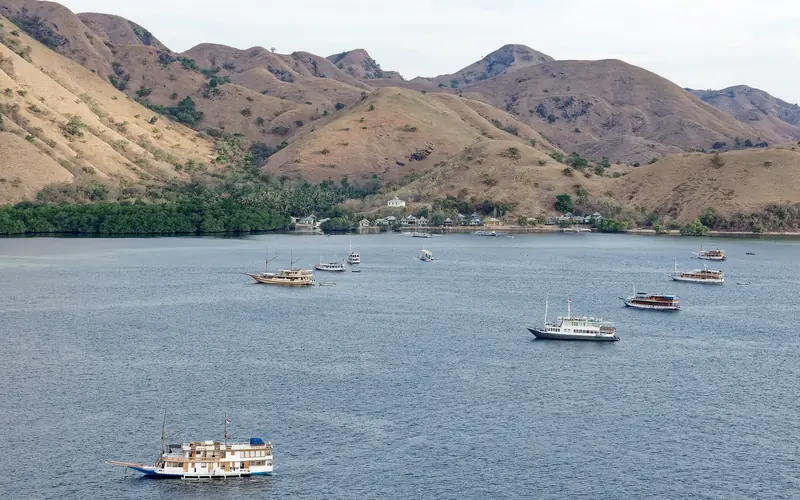
Riung serves as the main gateway town to the 17 Islands Marine Park, also known as Taman Wisata Alam Laut 17 Pulau Riung. The core expense for exploring this marine protected area is the boat charter. A one-day private boat tour for two people in the 17 Islands Marine Park commonly costs around 500,000 Indonesian rupiah. This price typically includes lunch, often prepared on one of the islands, and basic snorkelling gear. For larger groups, the per-person cost can decrease, with boats accommodating up to six or eight passengers available for around 700,000 to 1,000,000 Indonesian rupiah for the day. Negotiating directly with boat operators at the harbour can sometimes yield better prices, especially outside of peak season. The tour usually encompasses visits to several islands for snorkelling, a stop at a flying fox colony, and opportunities for beach relaxation. The boat journey allows for observation of diverse marine life and the coral reefs that characterize the park. The 17 Islands Marine Park is an important ecological zone, contributing to the biodiversity of the Lesser Sunda Islands.
Understanding the 17 Islands Marine Park Entry Fee
Beyond the boat charter, there is a separate tourist entry fee to the 17 Islands Marine Park, which is approximately 100,000 Indonesian rupiah per visit. This fee contributes to the park’s conservation efforts and infrastructure maintenance. While some tour operators might include this fee in their quoted price, it is crucial to clarify this detail when booking a boat tour. If not included, visitors must pay this fee upon entering the park boundaries, typically collected by park rangers. Children often have a reduced entry fee, though this should be confirmed locally. The fee applies to each entry, meaning if you were to visit on separate days, you would incur the fee each time. The park, a significant natural asset of Flores, supports various ecosystems, including mangrove forests, coral reefs, and white-sand beaches. This protected area is managed to preserve its ecological integrity, which includes regulations on fishing and waste disposal.
Snorkelling and Island-Hopping: Activity Costs and Value Tiers
The primary activities within the 17 Islands Marine Park are snorkelling and island-hopping. The cost of these activities is largely determined by the boat charter as mentioned, with the typical 500,000 Indonesian rupiah private tour for two covering multiple stops for snorkelling. Basic snorkelling gear (mask, snorkel, fins) is usually provided as part of the boat tour package. However, for those preferring their own equipment or higher quality gear, rental options might be available in Riung for around 50,000 to 75,000 Indonesian rupiah per day. The value of these tours lies in accessing remote islands and vibrant coral gardens, which are otherwise inaccessible. For independent travellers, hiring a local guide to accompany them on a boat can enhance the experience with local insights, though this adds an additional cost, usually around 100,000 to 200,000 Indonesian rupiah for the day. This can be particularly beneficial for identifying specific marine species or understanding local customs. The marine park offers excellent visibility for snorkelling, especially during the dry season from April to October.
Food, Drink, and Miscellaneous Expenses in Riung
Daily expenses for food and drink in Riung are generally modest. As noted, local warungs offer meals for 20,000 to 40,000 Indonesian rupiah. More established guesthouses or small restaurants might charge between 50,000 and 100,000 Indonesian rupiah for a main dish. Bottled water is essential, with large bottles costing around 10,000 to 15,000 Indonesian rupiah. Soft drinks and local fruit juices are also readily available. For those planning an extended stay, purchasing food items from the local market and preparing simple meals can further reduce costs, if accommodation allows for it. ATMs are limited in Riung, and it is advisable to carry sufficient cash, especially smaller denominations, for transactions. The nearest reliable ATMs are typically found in larger towns like Bajawa or Ende. Souvenirs, such as local handicrafts or woven textiles from the Ngada Regency, can be purchased from local vendors, with prices varying based on negotiation and craftsmanship. Maintaining a budget for unexpected costs, such as minor medical supplies or laundry services, is always prudent.
Seasonal Cost Factors and Budgeting Tips for Riung Flores
Seasonal variations impact both availability and pricing in Riung. The peak tourist season, generally from May to September, sees higher demand for accommodation and boat tours, potentially leading to slight price increases or reduced bargaining power. During these months, it is advisable to book essential services, such as boat charters, in advance. The shoulder seasons, typically April and October, can offer a balance of good weather and fewer crowds, potentially allowing for better deals. The wet season, from November to March, may present challenges with rougher seas and reduced visibility for snorkelling, though prices for accommodation might be lower. Travellers on a strict budget can opt for public transport, share boat charters with other travellers, and choose basic guesthouses and local eateries. For those seeking more comfort, private transfers and more upscale accommodation will increase the overall cost. Engaging with local operators directly, rather than through intermediaries, can sometimes result in more favourable pricing for tours and services. Understanding the Riung language, or having a basic grasp of Indonesian, can also aid in negotiations and interactions.
To plan your comprehensive visit to Riung and the 17 Islands Marine Park, explore further details on riungflores.com.