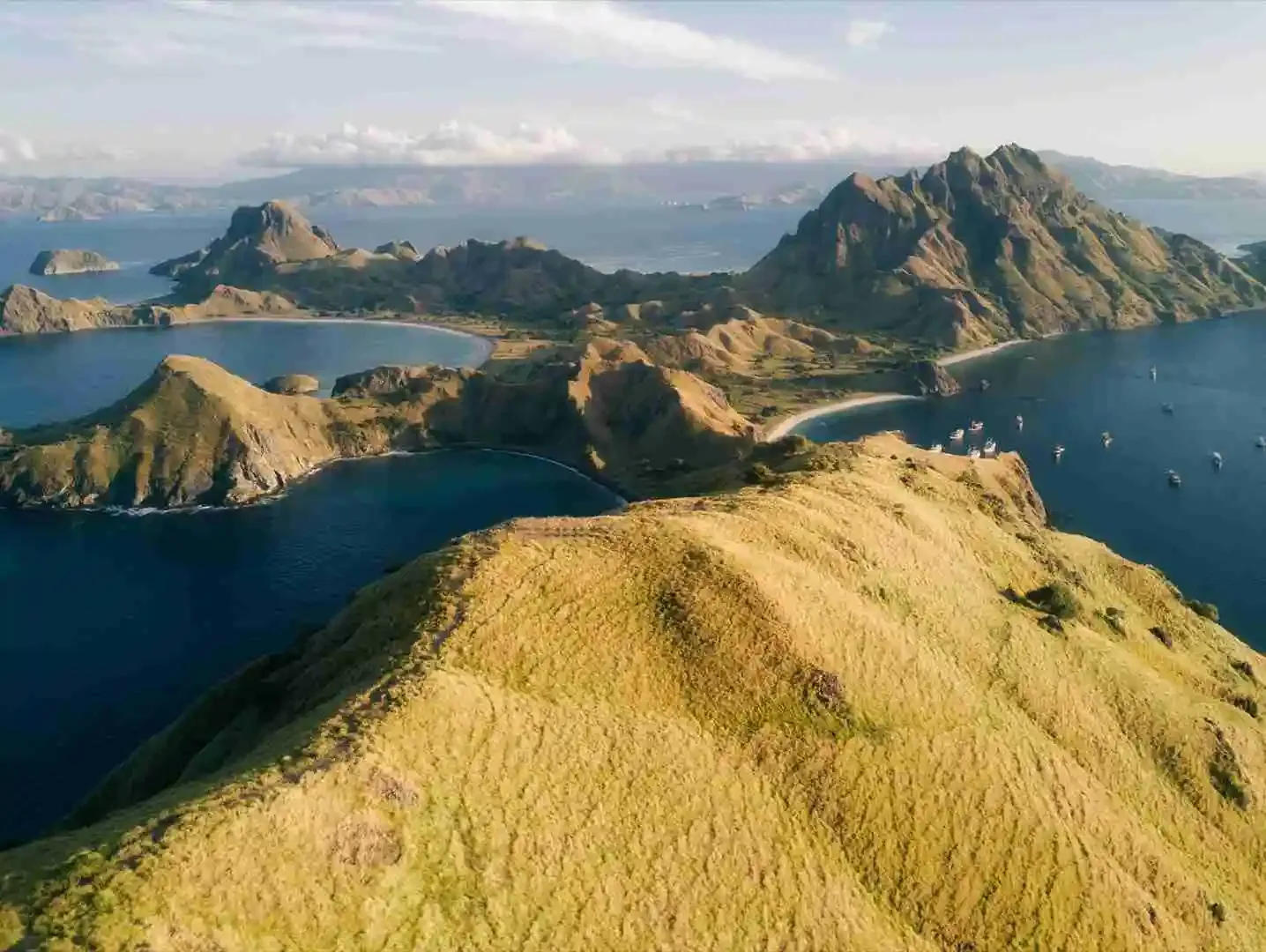
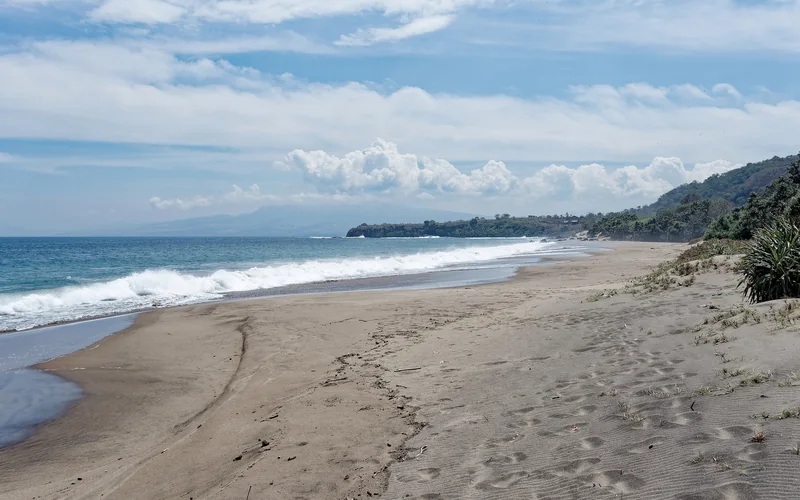
The morning sun warms the northern coast of Flores, illuminating the tranquil waters that guard a scattered archipelago. Here, in the Ngada Regency, Riung stands as a quiet outpost, a departure point for journeys into a marine park renowned for its coral gardens and island-dwelling wildlife. The rhythm of daily life is slow, punctuated by the arrival of overland travellers and the quiet hum of boat engines preparing for sea.
Understanding Riung Flores and the 17 Islands Marine Park
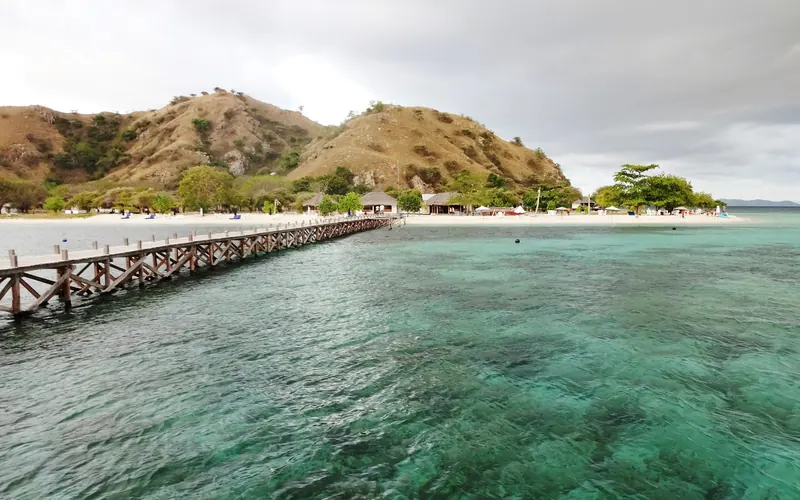
Riung is positioned on the north coast of Flores Island, within the East Nusa Tenggara Province of Indonesia. This strategic location makes it the indispensable gateway town to the 17 Islands Marine Park, officially named Taman Wisata Alam Laut 17 Pulau Riung. The park itself is not strictly composed of seventeen islands; the number is more symbolic, referring to Indonesia’s Independence Day on August 17th. Instead, the park encompasses a collection of over twenty islands, both large and small, stretching across the Savu Sea. These islands are primarily uninhabited, preserving a pristine environment for marine life and coastal flora. The waters surrounding these landmasses are characterized by diverse coral reefs, home to numerous fish species, sea turtles, and various invertebrates. Above the water, several islands provide nesting grounds for sea birds and roosting sites for large colonies of flying foxes. Access to the park typically begins from Riung’s small harbor, where local boat operators offer excursions into the protected waters. The park’s designation as a marine conservation area underscores its ecological significance, with regulations in place to protect its fragile ecosystems. A tourist entry fee of approximately 100,000 Indonesian rupiah per visit is generally required for access to the 17 Islands Marine Park, though this cost is sometimes integrated into tour packages.
Navigating Overland to Riung Flores
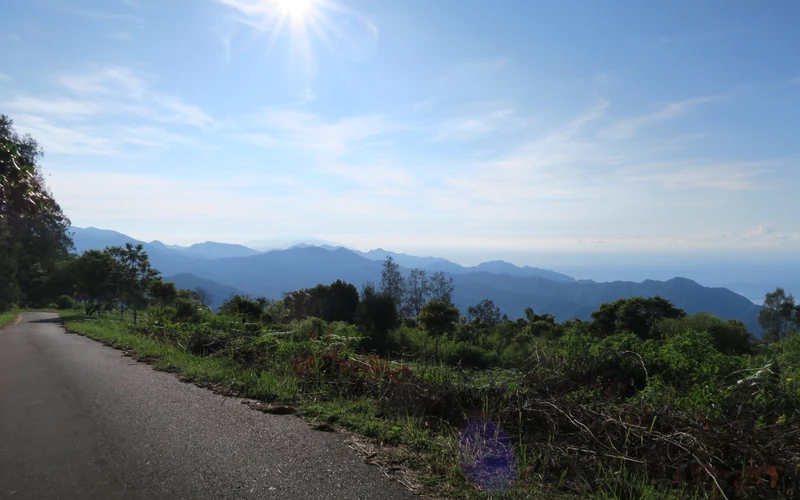
Reaching Riung requires overland travel across Flores, a journey that offers glimpses into the island’s interior landscapes. Public transportation is available, connecting Riung to major hubs like Ende and Bajawa. From Ende, located to the east, local public buses typically take around 7 hours to reach Riung. Travellers often connect to Ende from Moni, with the segment from Moni to Ende costing approximately 30,000 Indonesian rupiah, followed by the onward bus fare to Riung. The roads can be winding and conditions variable, contributing to the extended travel times. Another common route is from Bajawa, situated in the central highlands of Flores. The public bus journey from Bajawa to Riung takes approximately 3.5 to 6 hours, depending on road conditions and stops. The cost for this segment is around 50,000 Indonesian rupiah per passenger. These bus services operate on a relatively flexible schedule, often departing once full. For those preferring private transport, car rentals with drivers are an option, offering greater flexibility and reduced travel times. Regardless of the chosen method, preparation for a scenic, yet potentially lengthy, journey is advisable. The route from Bajawa descends from the cooler highlands to the warmer coastal plains of the Ngada Regency, providing a distinct change in scenery and climate.
Snorkelling and Island-Hopping in the 17 Islands Marine Park
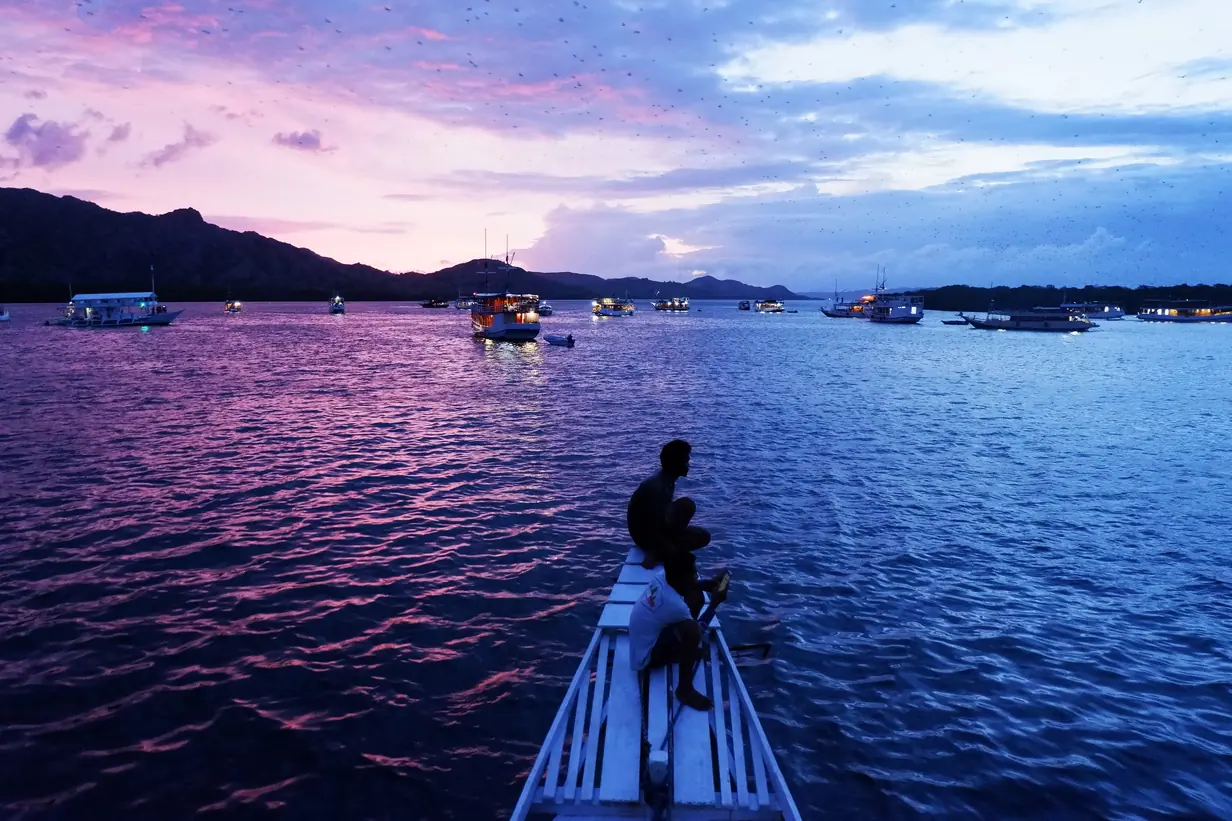
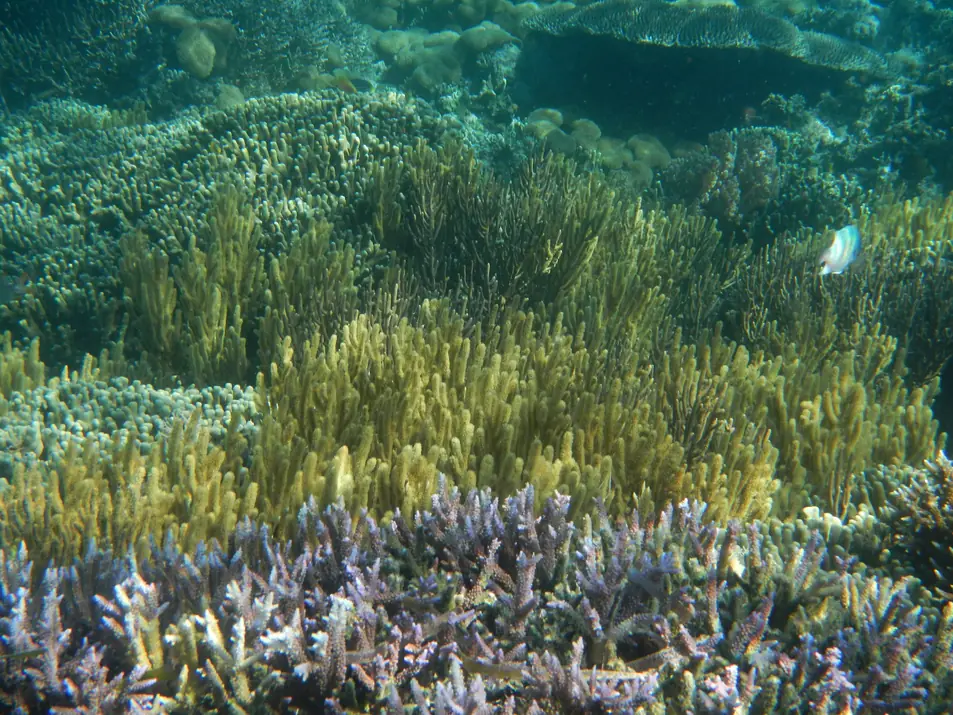
The primary activities within the 17 Islands Marine Park revolve around snorkelling and island-hopping. The marine park’s clear, warm waters provide excellent visibility for observing coral reefs and marine fauna. Popular snorkelling sites are found around islands such as Pulau Rutong and Pulau Tiga, where vibrant soft and hard corals thrive. These sites teem with reef fish, including clownfish, parrotfish, and angelfish. Sea turtles are also frequently sighted, gliding through the coral gardens. Local boat operators provide masks, snorkels, and fins as part of their tour packages. Island-hopping tours typically include multiple stops, allowing visitors to explore different facets of the park. Many tours incorporate a visit to an island with a significant population of flying foxes, such as Pulau Koaba. These large fruit bats are visible during the day, hanging in dense clusters from mangrove trees, and become active at dusk when they depart for feeding grounds on Flores. Another common stop is for lunch on a secluded beach, often featuring freshly grilled fish prepared by the boat crew. A one-day private boat tour for two people in the 17 Islands Marine Park commonly costs around 500,000 Indonesian rupiah, a price that often includes the lunch provision. This price point allows for a personalized itinerary, focusing on preferred activities and sites.
Boat Charter Logistics from Riung
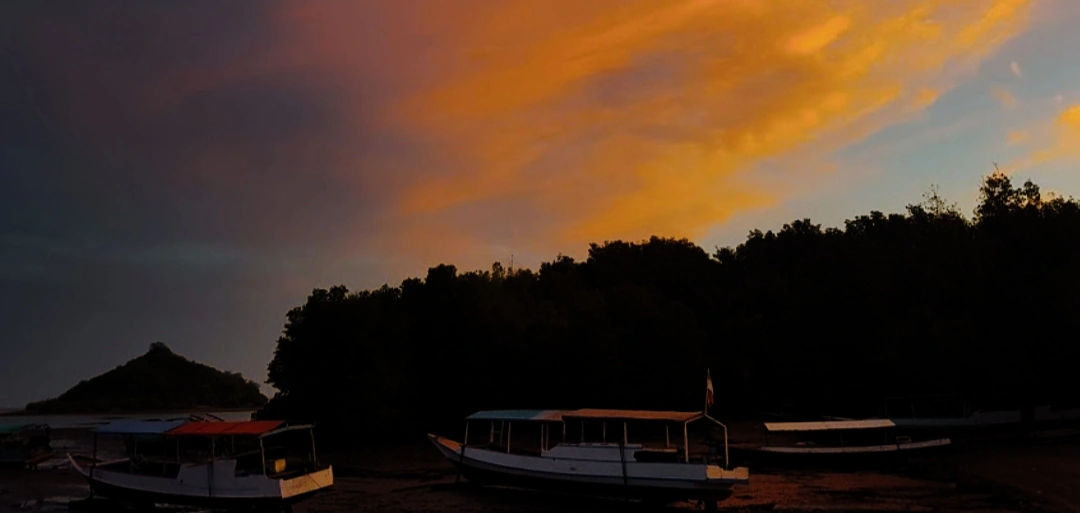
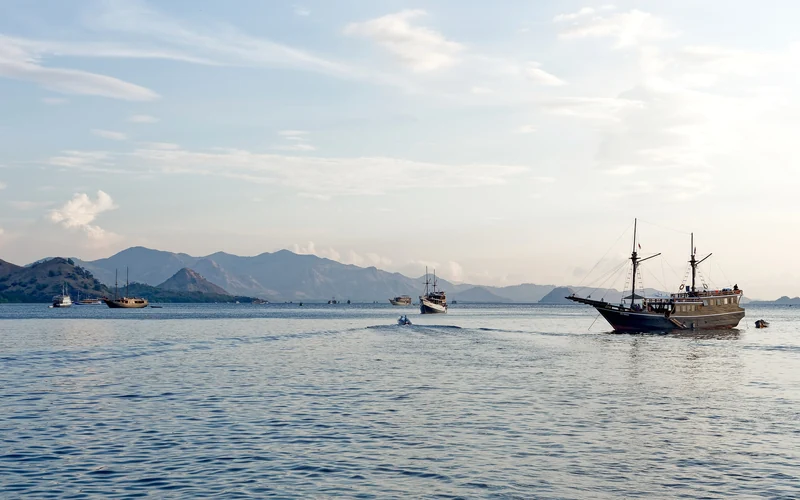
Securing a boat for exploring the 17 Islands Marine Park is straightforward in Riung. Local operators congregate near the harbor area, offering both private charters and shared tours. It is advisable to arrange your boat trip the day before your planned excursion to ensure availability and to discuss the itinerary. Private charters offer the flexibility to customize stops, duration at each site, and departure times. A typical one-day private boat tour for two people, including lunch, is approximately 500,000 Indonesian rupiah. For larger groups, the per-person cost may decrease. Shared tours are a more economical option for solo travellers or small groups who do not mind joining others. These tours generally follow a fixed itinerary, visiting the most popular snorkelling spots and the flying fox island. All boats are traditional wooden vessels, equipped with basic safety gear and shaded areas. Communication with operators is usually in Indonesian, though some individuals may have limited English proficiency. Clarifying what is included in the price, such as snorkelling gear, lunch, and the 17 Islands Marine Park entry fee (100,000 Indonesian rupiah), is important before finalizing arrangements. The boats depart from the main pier in Riung, typically in the morning, between 8:00 AM and 9:00 AM, returning in the late afternoon.
Accommodation and Facilities in Riung
Riung offers basic but functional accommodation options for travellers. Guesthouses and homestays are the predominant choices, providing a local experience. These establishments typically offer simple rooms, often with fan cooling and private bathrooms. Air conditioning is less common but available in some newer properties. Prices for accommodation vary, but budget-friendly options are readily available, starting from around 150,000 Indonesian rupiah per night for a basic room. Dining options in Riung are primarily local warungs and small restaurants serving Indonesian cuisine, with a focus on fresh seafood due to the town’s coastal location. Rice, noodles, and grilled fish are staple dishes. Basic provisions, such as bottled water and snacks, can be purchased from small shops. ATM facilities are limited, so it is advisable to carry sufficient cash, especially for boat charters and small purchases. Mobile phone reception is generally available, though internet access can be inconsistent. The atmosphere in Riung is quiet and unhurried, reflecting its status as a less developed tourist destination compared to areas like Labuan Bajo. This quietude contributes to its appeal for those seeking a more authentic and less commercialized experience of Flores.
Beyond the 17 Islands: Local Culture and Surroundings
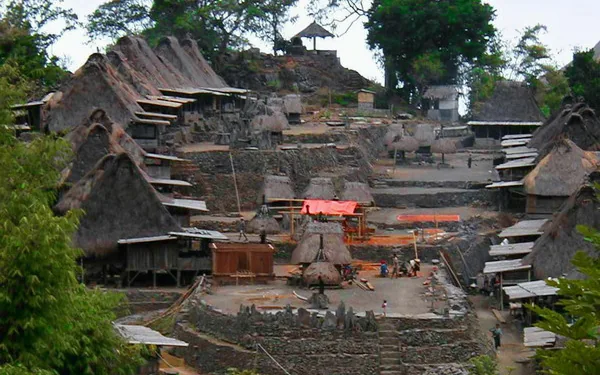
While the 17 Islands Marine Park is the primary draw, Riung and its immediate surroundings offer insights into local life and culture on Flores. The town itself is small, with a daily rhythm centered around fishing and agriculture. Walking through the streets reveals traditional houses and local interactions. The people of Riung speak a local dialect, also known as the Riung language, alongside Indonesian. Exploring the nearby coastal areas can reveal secluded beaches and mangrove forests that are not part of the main marine park tour routes. These areas offer opportunities for birdwatching and quiet contemplation. For those interested in the broader cultural landscape of Flores, Riung serves as a northern outpost for exploring the Ngada Regency, which is known for its traditional villages and megalithic structures further inland, such as those found near Bajawa. While Riung itself does not have prominent historical sites, its connection to the sea and its role as a gateway to natural wonders define its character. The absence of extensive commercial development preserves a sense of authenticity, allowing visitors to connect more directly with the natural environment and local customs.
Riung Flores presents an authentic gateway to the marine wonders of the 17 Islands Marine Park, a destination defined by its snorkelling, island-hopping, and unique wildlife encounters. For detailed insights into travel planning and specific itineraries for your journey across Flores, consult our comprehensive guides.