For first-time visitors to Flores, understanding the logistical and experiential specifics of Riung is essential for effective trip planning. This guide provides foundational information for those considering a visit, whether approaching from Bajawa or Labuan Bajo.
Accessing Riung: Overland Routes and Costs
Reaching Riung primarily involves overland travel across Flores Island. Its location on the north coast necessitates specific routes from common tourist hubs. Travellers originating from Ende, for example, face a substantial journey. Local public buses from Ende to Riung typically take approximately 7 hours. This travel time often extends beyond the direct bus segment, as connections are frequently required. For instance, a journey from Moni to Ende costs about 30,000 Indonesian rupiah, with an additional onward bus fare required for the Ende-Riung leg.
Travellers coming from Bajawa encounter a shorter, though still significant, bus ride. The public bus journey from Bajawa to Riung takes approximately 3.5 to 6 hours. This variation in duration depends on road conditions, bus stops, and specific vehicle speed. The cost for this segment is around 50,000 Indonesian rupiah per passenger. These figures provide a clear indication of both the time commitment and financial outlay for overland transport. Planning for these durations and costs prevents unforeseen travel complications. Understanding the specific routes and their associated expenses allows for informed decision-making regarding travel logistics.
The 17 Islands Marine Park: An Overview
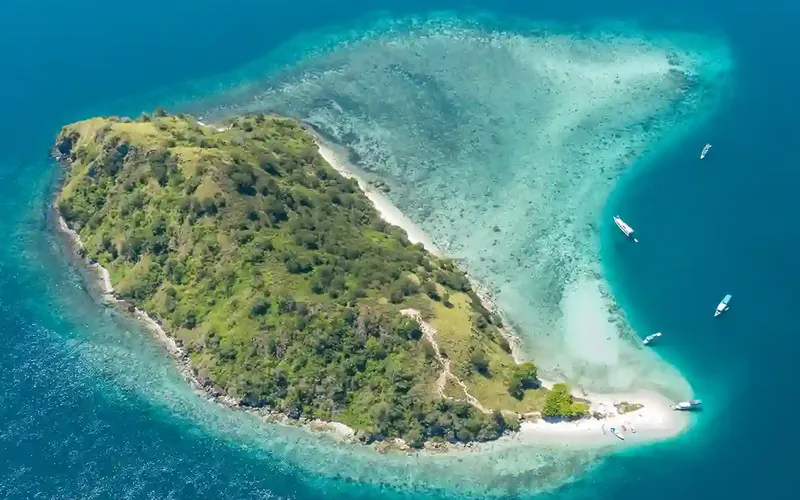
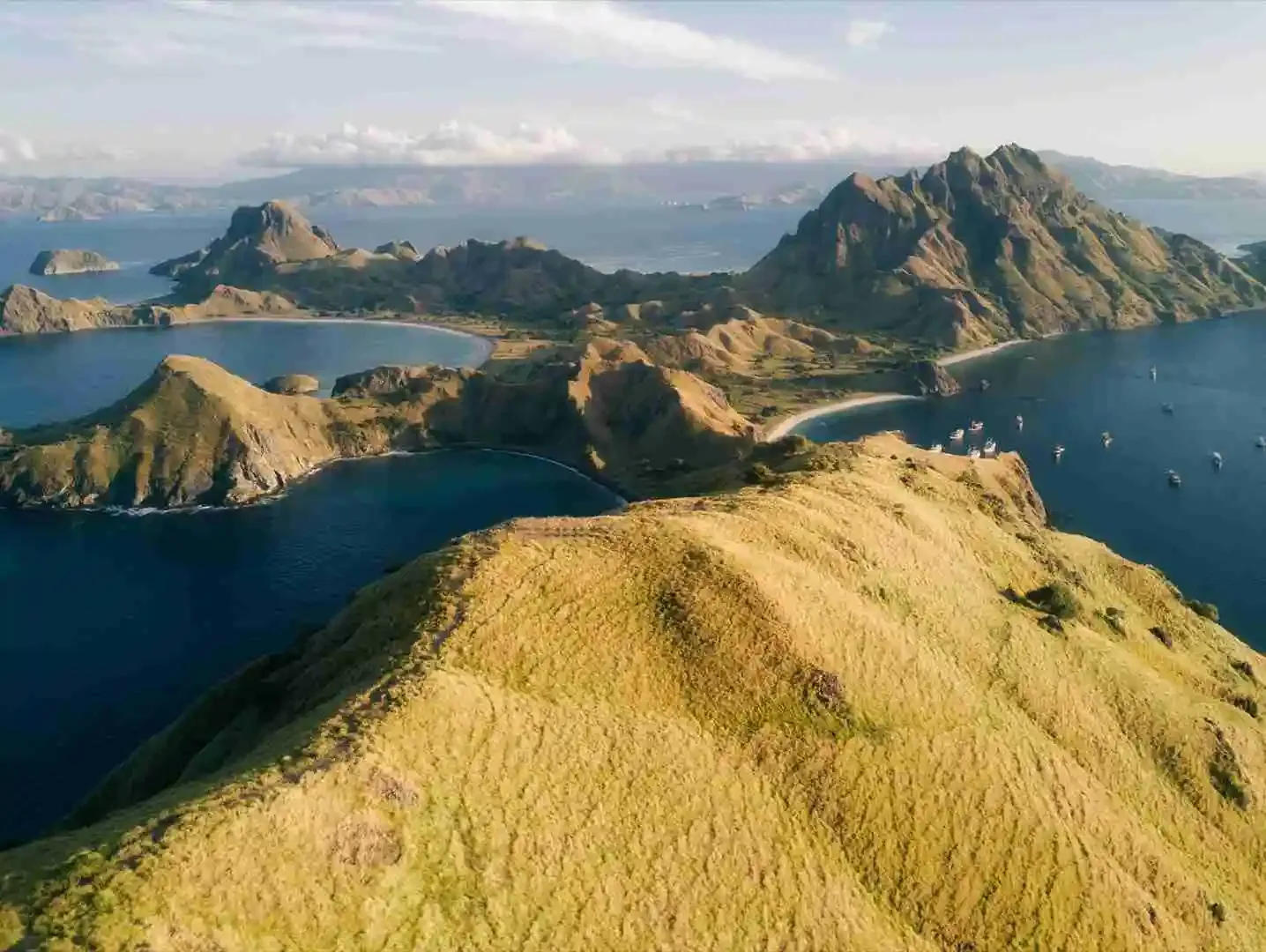
Riung’s primary significance stems from its role as the main gateway town to the 17 Islands Marine Park. This protected area is also formally known as Taman Wisata Alam Laut 17 Pulau Riung. The park is a collection of islands and their surrounding waters, offering opportunities for marine exploration. The name “17 Islands” is largely symbolic; the exact number of named islands and islets within the park boundaries can vary depending on the specific designation.
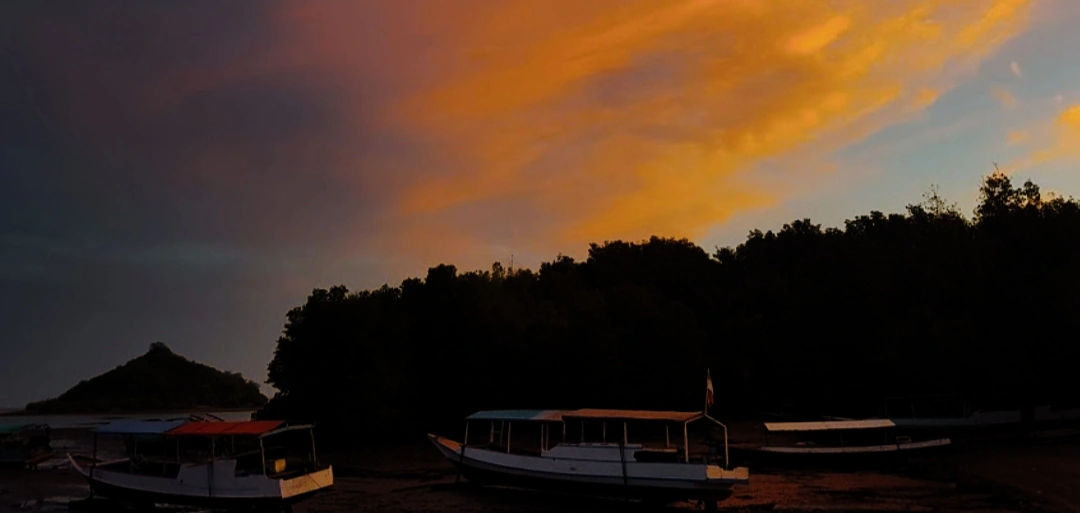
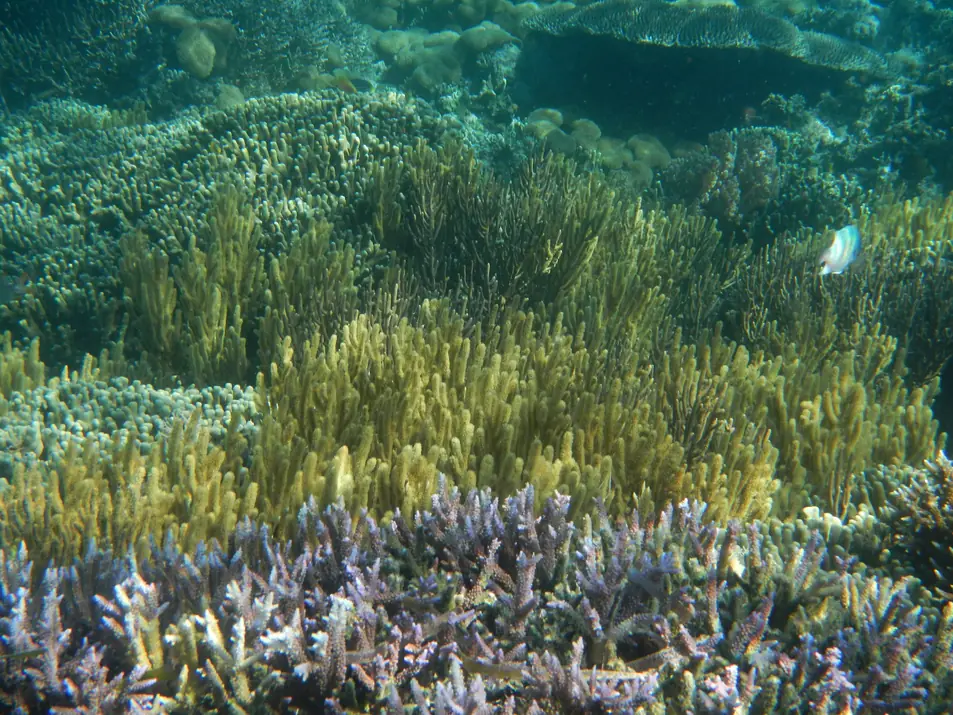
The marine park features diverse marine ecosystems, including coral reefs and various fish species. It is a destination for activities such as snorkelling and island-hopping. Visitors access the park almost exclusively via boat tours originating from Riung. The park’s designation as Taman Wisata Alam Laut underscores its protected status, indicating a commitment to conservation. A tourist entry fee applies to the 17 Islands Marine Park, typically costing around 100,000 Indonesian rupiah per visit. This fee sometimes integrates into the overall tour price offered by local operators, making it important to confirm inclusions when booking.
Organising Your Marine Park Tour
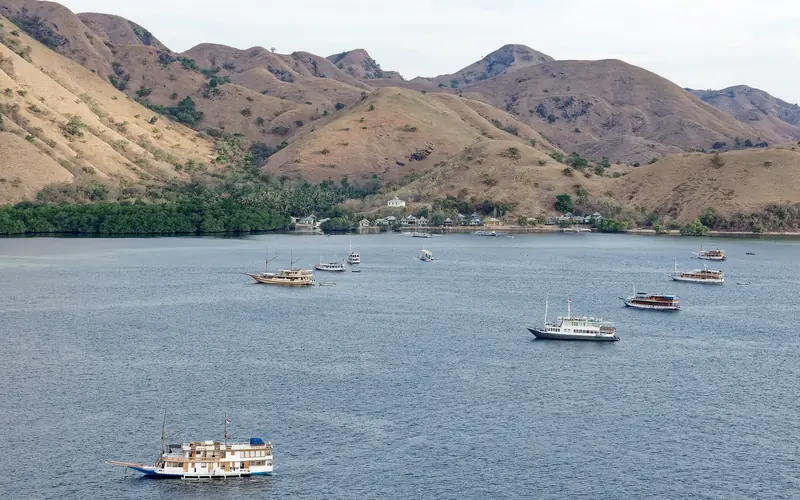
Arranging a tour of the 17 Islands Marine Park from Riung is a straightforward process, with local operators providing standard packages. The most common method involves chartering a private boat. A one-day private boat tour for two people in the 17 Islands Marine Park commonly costs around 500,000 Indonesian rupiah. This price usually includes lunch, which is often prepared and served on one of the islands. The tour typically covers multiple stops, allowing for snorkelling in different locations and visits to various islands.
Negotiation is a common practice for tour prices, though the stated 500,000 Indonesian rupiah for two people serves as a reliable benchmark. Confirming what the tour price includes – specifically lunch and the marine park entry fee – is important. While the entry fee is approximately 100,000 Indonesian rupiah per visit, some operators incorporate this into their quoted tour price. Clarifying these details prior to departure prevents misunderstandings. The duration of these tours typically spans a full day, departing in the morning and returning in the late afternoon.
Accommodation and Local Amenities in Riung
Riung, while primarily a gateway, offers basic amenities for travellers. Accommodation options are generally guesthouses and small hotels. These establishments provide functional lodging rather than luxury services. Availability can fluctuate, particularly during peak travel seasons, so advance booking is advisable. The town itself is not extensive; its core revolves around facilitating marine park visits.
Dining options in Riung are primarily local warungs and small eateries, serving Indonesian cuisine. Fresh seafood is often available, reflecting the town’s coastal location. Access to ATMs or reliable banking services can be limited. It is prudent for travellers to carry sufficient cash for their stay, including tour costs, accommodation, and meals. Communication infrastructure, such as mobile network coverage, can be inconsistent. Travellers should prepare for potentially limited internet access. The town’s focus remains on its marine park connection, not extensive tourist infrastructure.
Connecting Riung with Bajawa and Beyond
Riung’s geographical position connects it to other significant locations on Flores Island. Bajawa, located in Ngada Regency, is a common onward or preceding destination. The journey between Bajawa and Riung, as noted, takes approximately 3.5 to 6 hours by public bus, costing around 50,000 Indonesian rupiah. Bajawa offers access to traditional villages and volcanic landscapes. Understanding this connection is important for those planning an overland traverse of Flores.
For travellers coming from or heading towards Labuan Bajo, the journey is considerably longer. While direct public transport options from Riung to Labuan Bajo might require multiple transfers, private charters or combinations of public buses and shared taxis are possible. This route typically spans a full day of travel. Flores itself is a large island, and Riung represents a specific point on its northern coast. Planning an itinerary that incorporates Riung requires consideration of these travel times and potential connections across the island. The island of Flores offers diverse experiences, and Riung is one component of that larger itinerary.
Logistical Considerations for First-Timers
Effective preparation enhances the experience in Riung. As previously stated, carrying sufficient cash is imperative due to limited ATM access. Understanding the local language, or at least common phrases, can be beneficial, though many tour operators and guesthouse staff will have some English proficiency. The local language, a dialect of the Riung language, is spoken by the community.
Sun protection, including hats, sunscreen, and appropriate clothing, is essential for marine park excursions, as exposure to the sun is constant on the water. Snorkelling gear is usually provided by tour operators, but confirming this beforehand or bringing personal equipment is an option. Respect for local customs and environmental guidelines within the marine park is expected. Adhering to responsible tourism practices helps preserve the natural environment of the 17 Islands Marine Park.