The Ultimate 3-Day Luxury Itinerary for Riung Flores
Riung Flores Editorial Desk 15 min read
- Private boat charters for snorkeling and secluded beach lunches.
- Accommodation in exclusive-use guesthouses or small eco-lodges — Riung has no resorts.
- Guided cultural immersions and private, chef-prepared dining.
Riung is reached overland, not by air, and that is the first thing a three-day plan has to absorb. The coast road arrives at a small working town with guesthouses rather than resorts, a pier where boats are arranged in person, and a marine park immediately offshore. This itinerary sets out a realistic three days: the arrival leg, a full day among the islands, and a third day inland or on the water, with the costs and the timings this site publishes elsewhere. This guide does not operate boats. Bookings are fulfilled by Komodo Luxury, and this site may earn a referral commission.
Day 1: Arrival and Acclimatization on the Flores Sea
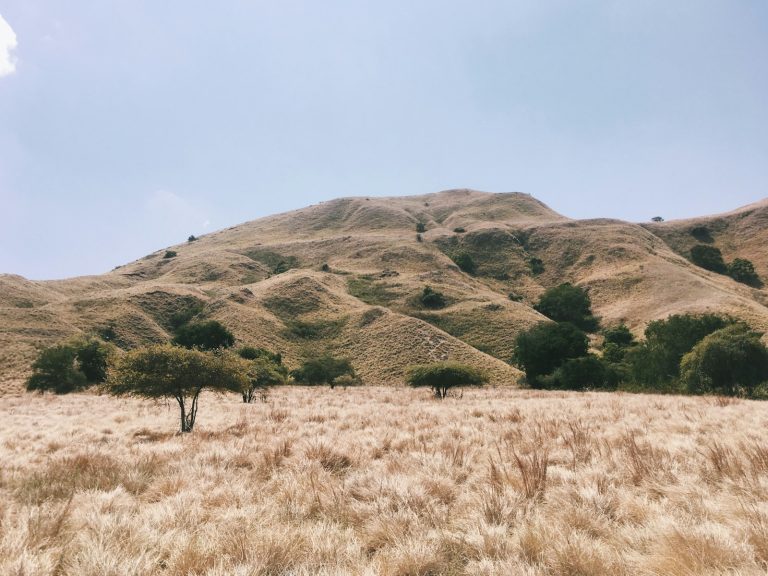
The journey to Riung is an integral part of the experience, a gradual shedding of the outside world. Travellers on this kind of itinerary usually fly into Ende’s H. Hasan Aroeboesman Airport (ENE); a private charter flight is possible, and commercial flights from Bali are frequent. From there, a pre-arranged, air-conditioned 4×4 awaits for the 130-kilometer overland transfer. This is not a mere commute; it is a four-hour immersion into the heart of Flores. The road twists through volcanic highlands, past villages where children wave from the roadside and groves of candlenut and cacao line the hills. Drivers on this route will usually point out the distant peak of Mount Ebulobo, its near-perfect cone often wreathed in cloud. By the time the road descends towards the coast, the landscape has shifted to the arid, almost African-like savanna that characterizes the region. The final approach into Riung is down a quiet, unpaved coast road, and what waits at the end of it is a small working town rather than a resort strip. Riung has no five-star property, no branded resort and no beachfront bungalow estate; the realistic top of the market is an exclusive-use guesthouse or a small eco-lodge, most of them set slightly back from the shore rather than on it. Look for a room with sea views, a quiet generator, good mattresses and a host willing to cook, so that practical needs are anticipated rather than negotiated. After settling in, the day’s agenda is simple: decompression. The vantage point here is a terrace, the jetty or the seafront path, and all three look straight out at the string of islands in the bay. As the afternoon sun softens, most guesthouses will put together a cold drink before the short walk down to the pier. Dinner is a quiet, private affair: a multi-course meal cooked by your host from the day’s catch, perhaps a whole-grilled red snapper seasoned with local herbs and served with three types of sambal.
Day 2: A Private Charter Through the Seventeen Islands
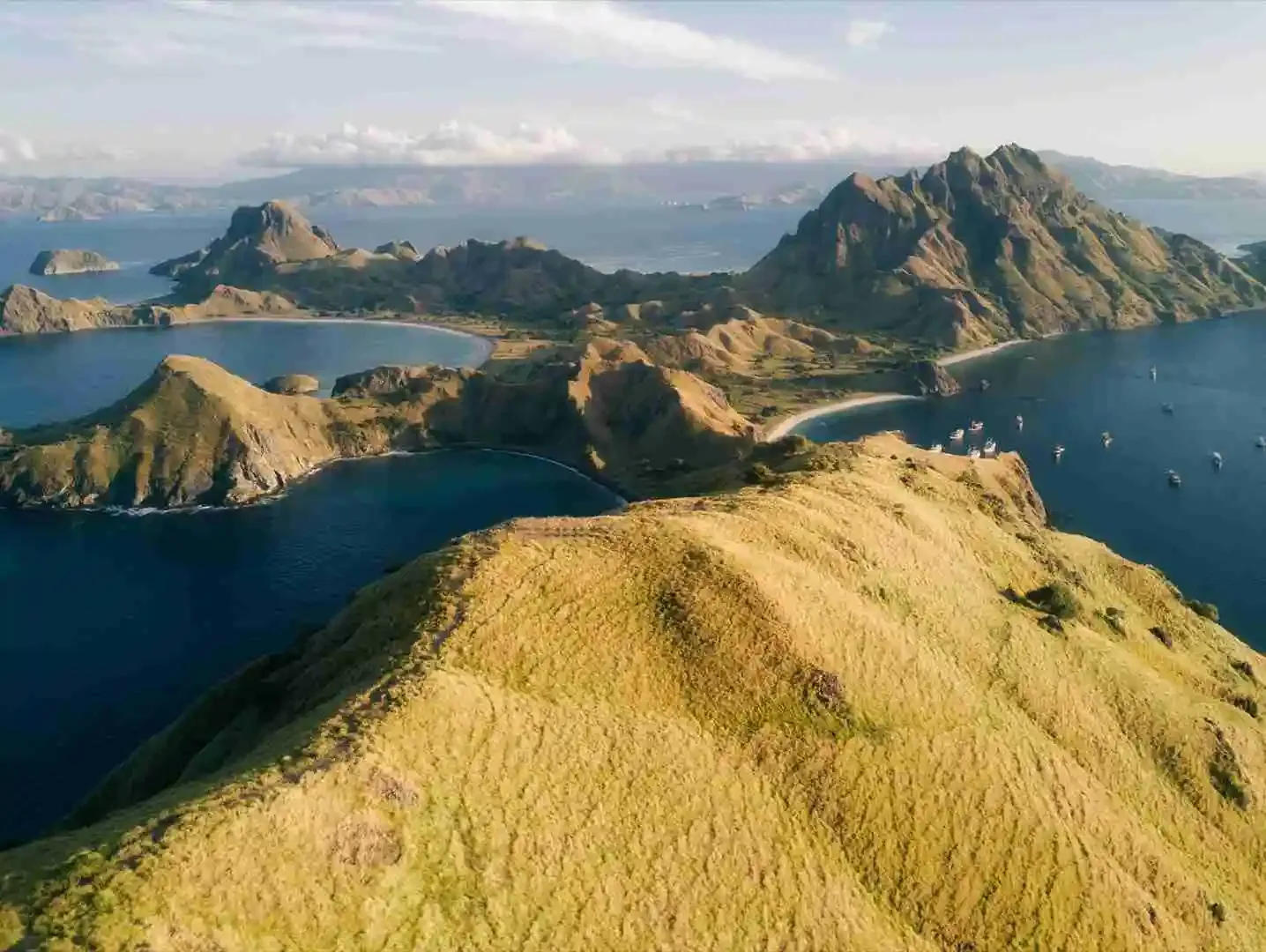
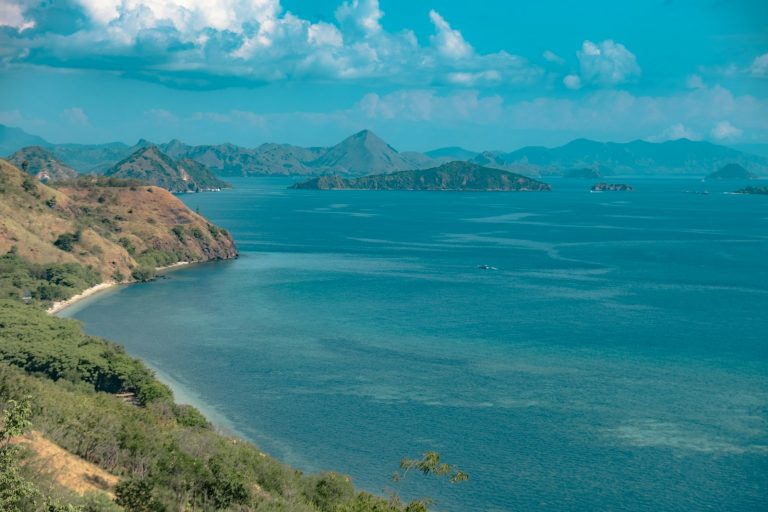
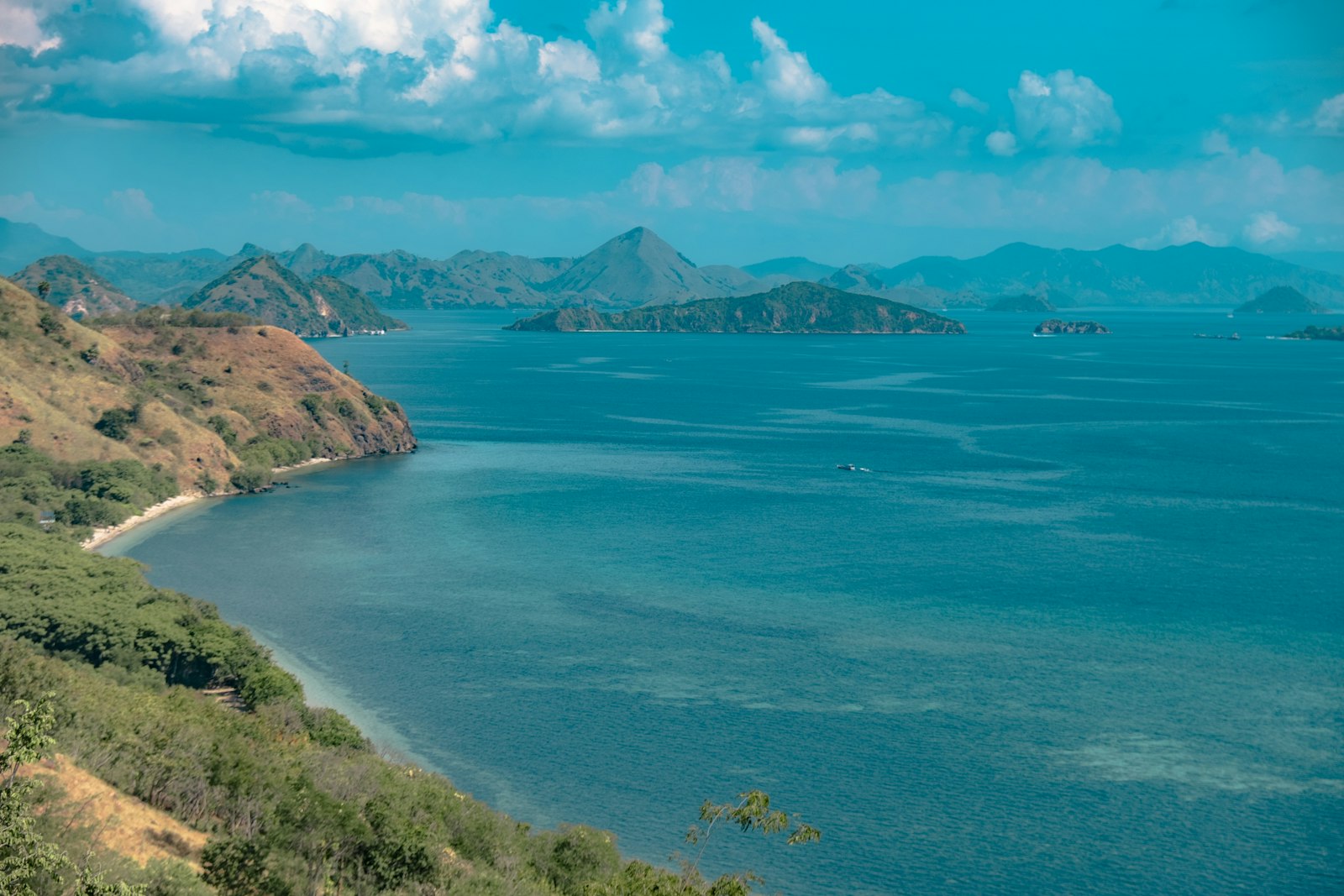
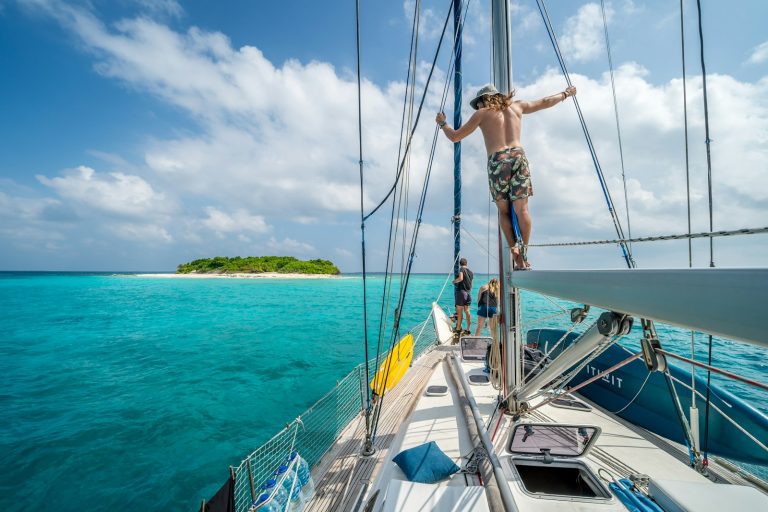
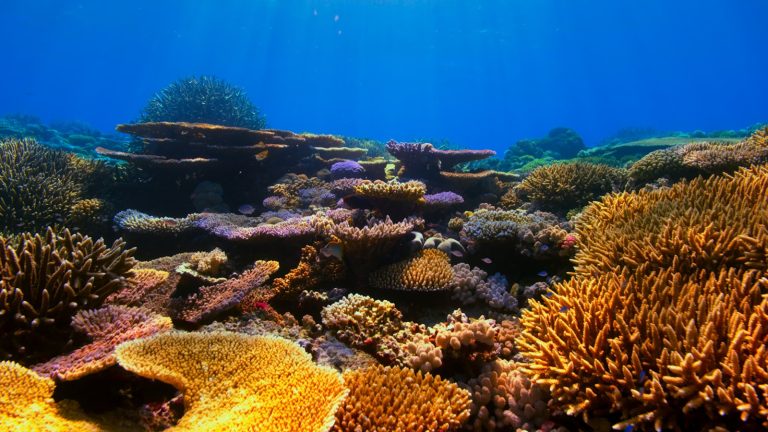
Today is dedicated to exploring the raison d’être of any visit to this region: the Riung 17 Islands Marine Park. The name is a patriotic nod to Indonesia’s Independence Day (August 17th), as the park actually takes in around two dozen named islands, islets and reef features. A private arrangement bypasses the standard group tours that leave from the main harbour. Instead, a privately hired boat with its own captain and guide is boarded at the Riung pier, a few minutes’ walk from any guesthouse in town. The luxury here is in the absolute freedom to set your own pace. The usual first stop is Pulau Tiga, one of the larger islands, known for its coral gardens just metres from the shore. In the core dry months local operators commonly report snorkelling visibility of 10–20 metres — anecdotal rather than instrument-measured — and the snorkeling here is a sublime experience. The morning goes to drifting over fields of staghorn coral, with schools of parrotfish and clownfish darting between anemones. Unlike more crowded sites in Southeast Asia, here you will likely have the entire reef to yourself. Around midday, most captains steer towards the uninhabited Pulau Rutong. Its iconic white-sand spit extends far into the turquoise water, creating a perfect, temporary private beach. While you swim, the crew sets out the lunch agreed the day before: grilled fish, rice, salad and tropical fruit. Anything beyond that has to be bought in Riung town and carried aboard, because nothing is sold on the islands. The only sounds are the gentle lapping of waves and the call of sea eagles overhead. The day culminates with a visit to Pulau Kalong (Bat Island). Boats anchor a respectful distance from the mangrove-covered island just before dusk. As the sun dips below the horizon, painting the sky in hues of orange and violet, a truly remarkable natural spectacle unfolds. Tens of thousands of giant fruit bats (flying foxes) awaken and stream into the twilight sky, a river of wings heading to the mainland to feed. It’s a primal, unforgettable sight, best observed from the comfort of your private deck, a cool drink in hand.
Day 3: Inland Culture and a Taste of Flores
While the sea is Riung’s primary allure, the hinterland offers a rich cultural mix that should not be overlooked. The final day trades the boat for a 4×4 and a local guide. Be realistic about distance first: the megalithic Ngada villages are not in Riung but inland around Bajawa, roughly 2.5 to 3 hours each way by private car, so this is a full day rather than a morning excursion. Bena and Luba are the two best-documented compounds, and a privately arranged visit is far more likely to be a respectful exchange than a performative tourist stop. The village is organized around a central ceremonial space with ancestral shrines, known as ngadhu and bhaga, which represent male and female lineages. A guide from the area can usually open a conversation with one of the elders. What comes through is the layering of ancestral belief with Catholicism, and the intricate art of ikat weaving, a tradition passed down through generations of women. The patterns are not merely decorative; they tell stories of the weaver’s life and lineage. Buying a small hand-woven textile directly from the weaver, in cash, is the most direct way to put money into the craft. For lunch, the route usually drops to a small, family-run coffee plantation in the hills. Flores is renowned for its Arabica coffee, and a tasting session lets you compare beans prepared by different methods. The experience is paired with a simple but delicious lunch of local Floresian dishes. The journey back to Ende airport in the afternoon is a time for reflection. The past three days have offered a rare blend of marine adventure, cultural depth, and profound tranquility. This is the essence of a well-planned Riung journey—it’s not just about what you see, but the manner in which you see it. For a comprehensive look at what to expect, the Riung Flores guide provides essential context for first-time visitors.
The Art of Pacing: Why Three Days is the Minimum
A clear trend has taken hold in high-end travel: “checklist tourism,” the rush to see as much as possible in the shortest time. Flores, and Riung in particular, is an antidote to this. Attempting to experience this area as a rushed day trip from another part of the island does it a profound disservice. The magic of Riung is cumulative, revealing itself in the quiet moments: the pre-dawn stillness before the village awakens, the impossibly bright canopy of stars in a sky free from light pollution, the unhurried conversations with your boat captain about the changing tides. A well-planned itinerary allows for this kind of immersion. Long and narrow from east to west, the island of Flores is a world unto itself, and its northern coast operates on its own rhythm. A three-day stay allows you to fully disconnect and synchronize with this local pace. It provides a buffer for spontaneous discovery—perhaps spending an extra hour snorkeling on a particularly vibrant reef or lingering over a sunset because the colors are too extraordinary to leave. This is the difference between simply visiting a place and truly experiencing it. The luxury of time is the most valuable commodity a traveler can have, and here in Riung, it pays the highest dividends, transforming a simple vacation into a restorative escape.
Customizing Your Luxury Itinerary
This itinerary serves as a blueprint, but the true mark of a luxury experience is personalization. The beauty of a private journey is its flexibility. For certified divers, be aware that Riung has no dive centre or scuba operation of its own; tanks, gear and a PADI-certified dive master are arranged on the Komodo leg from Labuan Bajo, where the sites known for larger pelagics actually are. For keen photographers, the schedule can be tailored around the “golden hours” of sunrise and sunset, with the boat positioned early at the best vantage points. Culinary enthusiasts can ask their guesthouse about a home cooking session, learning the secrets of Floresian cuisine and the art of balancing sambal. The best time to visit is during the dry season, which typically runs from April through November, ensuring calm seas and clear skies. Even within this window, planning is key. The infrastructure in this part of Indonesia is still developing, which is part of its charm but also a logistical challenge. Securing the better guesthouses and the most experienced private boat crews requires advance booking, often 6 to 12 months out. Understanding the financial commitment is also crucial; our detailed guide on Riung Flores Costs & What to Budget offers a transparent look at what to expect for an experience of this caliber, from charter fees to private guide rates.
Quick FAQ for Your Riung Flores Trip
Q: What is the most efficient way to get to Riung?
A: The most seamless route is a flight from Bali (DPS) to Ende (ENE), followed by a pre-arranged private vehicle for the 3-4 hour overland transfer. While Bajawa (BJW) is a similar distance, Ende typically has more reliable flight schedules. A private driver arranged through your guesthouse or a local operator such as Komodo Luxury can handle ground transfer logistics for a smooth transition from the airport to Riung.
Q: Is the Seventeen Islands Marine Park protected?
A: Yes, it is a nationally protected marine park. This status, managed by the Indonesian government, helps preserve the health of its coral reefs and marine biodiversity. This conservation effort is part of a wider initiative across the Lesser Sunda Islands, a region recognized by organizations like UNESCO for its unique ecological value, as seen with nearby Komodo National Park.
Q: What should I pack for a luxury trip to Riung?
A: Pack lightweight, natural fabrics like linen and cotton. Essentials include high-SPF, reef-safe sunscreen, a wide-brimmed hat, polarized sunglasses, and swimwear. For evenings, a light sweater or pashmina is useful. Waterproof sandals for beach landings and a good camera are highly recommended. Better guesthouses provide towels; assume you should bring your own toiletries.
Q: Can I use credit cards in Riung?
A: It is highly unlikely. Riung is a cash-based economy. While your luxury accommodations and tours will be pre-paid, it is essential to bring sufficient Indonesian Rupiah (IDR) for any personal purchases, such as local handicrafts or tips for your guides and crew. The nearest reliable ATM is in Bajawa, several hours away.
Riung is more than a destination; it is an immersion into one of Indonesia’s last frontiers of tranquil, untouched marine beauty. It offers a rare opportunity to disconnect from the world and reconnect with the rhythm of the tides and the warmth of a genuine, welcoming culture. This is not a journey for everyone, but for those who seek authenticity and solitude, it is an unparalleled reward. To begin shaping a journey into this remote corner of Flores, start with the route notes, seasonal windows and cost breakdowns published across Riung Flores. This is an independent editorial desk rather than a tour operator: what it offers is the detail you need to brief a charter company or a driver accurately.
Finalising a 3-day Riung itinerary often leads to a choice: arrange local boats daily or book a dedicated charter for comfort and efficiency. For travellers considering a crewed vessel or adding a Komodo leg, it’s wise to establish a quality baseline. Komodo Luxury offers a good reference; their range of boats shows what a higher budget includes, from the well-crewed Komodo Signature to their specialized cruises for couples.
Practical Luxury: Local Conditions, Safety and Comfort
High-end travel in Riung is less about marble lobbies and more about understanding local conditions well enough to stay comfortable. The town is small, infrastructure is basic, and arrangements are personal rather than platform-based. That is part of the appeal, but it rewards travellers who prepare for the realities of the Flores Sea climate, the savanna hills behind Riung, and a still-developing coastal village.
If you are combining this 3-day luxury stay with a wider Flores route, it is worth planning Riung around flight timings and driving hours with care. Our suggested multi-day circuits, such as the 7-day Flores itinerary linking Riung, Kelimutu and Komodo, show realistic pacing that respects local road conditions and avoids risky after-dark arrivals.
On the water, private charters let you manage comfort, shade and timing, which matters more here than onboard décor. To understand how a Riung-focused cruise can be built into or alongside this land-based stay, see our overview of the best luxury liveaboards for exploring Riung’s 17 Islands. For land-based guests, the notes below address the small but important questions that often shape whether a trip feels genuinely relaxing.
Is it realistic to go from Ruteng airport to Riung same day arrival?
It is technically possible but not advisable. Turelelo Soa (Bajawa) is the practical airport for Riung; Ruteng flights often arrive late morning or afternoon, and the overland drive from Ruteng to Riung via Bajawa is long, slow and tiring. For safety and comfort, plan at least one overnight in Ruteng or Bajawa, then continue to Riung in daylight with a rested driver.
Are there beachfront bungalows in Riung suitable for a luxury stay?
Riung does not have overwater villas or five-star branded resorts, and there are no true resort-style beachfront bungalows in Riung. Instead, you find simple seafront homestays in town and a small number of more private villas or eco-lodges set slightly back from the shore. For a luxury feel, prioritise exclusive-use properties with sea views, good mattresses, quiet generators and private dining.
Are there sea urchins or sharp corals in Riung snorkeling spots, and how do I avoid injury?
Yes, you will encounter both. Healthy reef in the 17 Islands means some shallow coral heads and scattered sea urchins, especially at very low tide. Protective footwear is useful for wading from the boat to the beach, but you should never walk on living coral. Stick to sandy entries, follow your guide’s instructions, and keep fins off the reef to avoid cuts and environmental damage.
Is there electricity 24 hours a day in Riung, or are there power cuts I should prepare for?
Riung now has relatively stable grid power, but short outages still occur, particularly during storms or peak evening usage. Better guesthouses and villas have backup generators, yet air-conditioning and water pumps may briefly pause when the power flips. Bring a small power bank, avoid arriving with fully drained devices, and confirm generator hours with your host if constant cooling or CPAP use is critical.
Can I see Riung ikat weaving during a three-day itinerary, or is that only near Bajawa?
Most well-known ikat villages sit inland around Bajawa, but it is still possible to weave Riung ikat weaving into this itinerary. With a private car and driver, you can stop at a weaving village on the way in or out between Ende, Bajawa and Riung. Expect modest, family-run set-ups rather than choreographed shows, and bring cash for direct purchases from the women who weave.
How strong is the sun and heat on the islands compared to the Riung savanna hills inland?
The coastal breeze on the boat can feel cooler than the inland Riung savanna hills, but UV exposure on the water is stronger. Reflection from the sea rapidly accelerates sunburn, even on overcast days. A wide-brimmed hat, long-sleeve rash guard, and high-SPF reef-safe sunscreen are non-negotiable. Plan your longest snorkel sessions for morning, and retreat to shade or the cabin during early-afternoon extremes.
Can I combine this luxury Riung stay with other parts of Flores without rushing?
Yes, provided you keep daily drives under five to six hours and avoid stacking multiple long legs back-to-back. Many travellers link Riung with Ende, Kelimutu and Labuan Bajo over a week or longer. Our 10-14 day Flores route including Riung and Komodo is a good template, allowing time for slow mornings in Riung and a full-day charter in the 17 Islands without feeling compressed.
For a three-day land-based stay like this, most travellers plan Riung independently until the conversation turns to a fully crewed boat day or extending on to Komodo. That is the point to look at a dedicated private yacht charter, fold Riung into a slower wellness-focused sailing leg, or link this coast with a broader luxury cruise Indonesia itinerary.
Keep reading
Uncategorized 11 min
Riung 17 Islands: What Changed for 2027
What's changed for Riung travel planning, most recent update first: a magnitude 7.7 earthquake struck north Flores on 15 August…
Uncategorized 11 min
Riung 17 Islands Solo Travel: Joining a Shared Boat
Riung 17 Islands as a solo traveller: the most cost-effective route is joining an existing group's shared boat rather than…
Uncategorized 11 min
Can You Dive at Riung 17 Islands?
Can you dive at Riung 17 Islands? No - there is no PADI dive centre or scuba operation based in…